Raw Food and Weight Loss: Can It Really Help?
Introduction: The Raw Revolution
In recent years, the idea of consuming raw foods has transitioned from an obscure lifestyle choice to a prominent diet trend, garnering the attention of health enthusiasts and those seeking effective weight loss solutions. The raw food diet primarily consists of unprocessed, uncooked foods that are primarily plant-based, including fruits, vegetables, nuts, and seeds. With a growing body of anecdotal evidence and scientific research linking raw food consumption to weight loss, this article aims to peel back the layers and explore the potential effectiveness of raw foods for weight management.
Section 1: Understanding the Raw Food Diet
1.1 What is Raw Food?
The concept of the raw food diet is anchored in the belief that cooking can diminish the nutritional value of food. The core principles include:
- Unprocessed Foods: Emphasis on whole, unprocessed ingredients.
- Temperature Regulation: Foods are typically not heated above 118°F (48°C) to preserve enzymes and nutrients.
Common foods included in a raw food diet are:
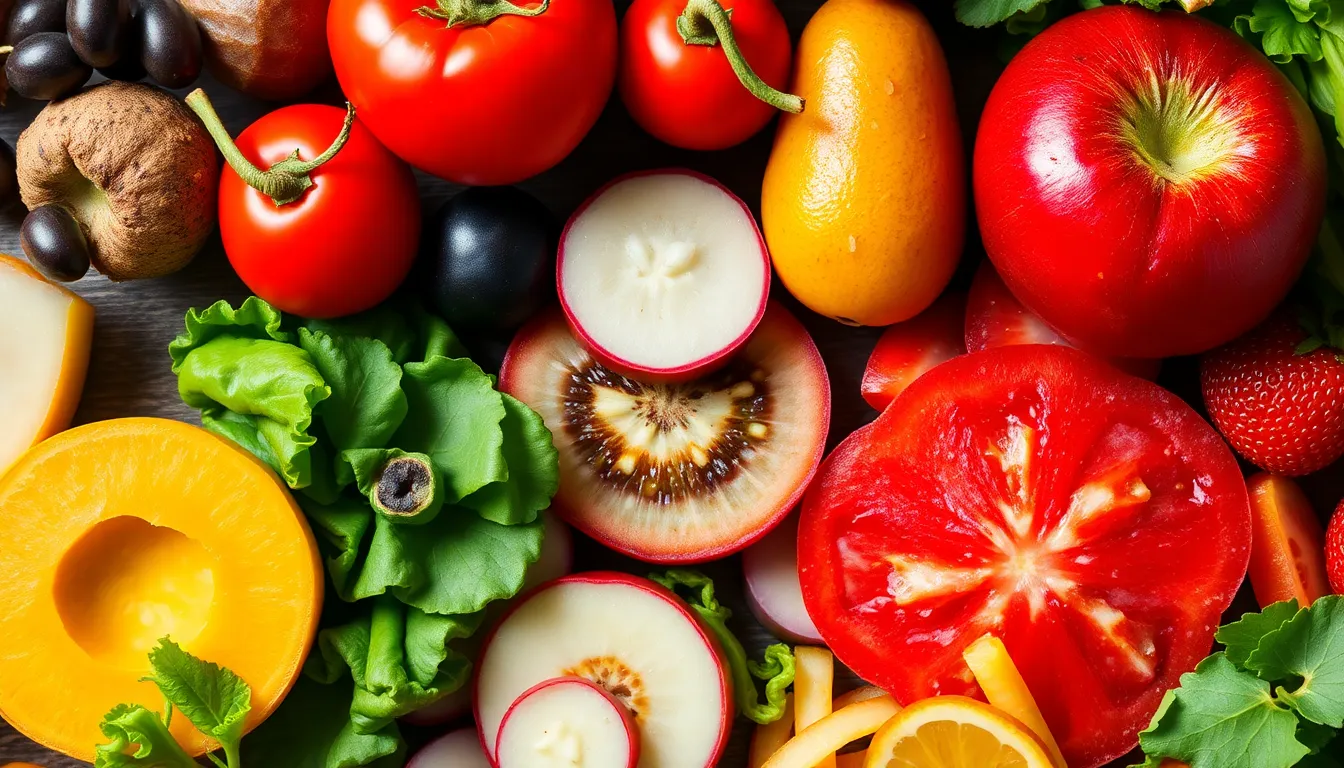
- Fresh fruits and vegetables
- Nuts and seeds
- Sprouted grains and legumes
- Cold-pressed oils
Variations of the raw food diet include:
- Vegan Raw: Excludes all animal products.
- Vegetarian Raw: Includes dairy and eggs.
- Omnivorous Raw: Incorporates raw meat and fish.
1.2 The Benefits Beyond Weight Loss
While weight loss is a primary motivation for many adopting this diet, raw foods offer a plethora of other benefits:
- Nutritional Advantages: Raw foods are rich in vitamins, minerals, and antioxidants.
- Impact on Overall Health: Many experience improved digestion, enhanced energy levels, and clearer skin.
- Environmental Considerations: A raw food diet is often more sustainable, reducing carbon footprints associated with food processing.
Section 2: The Science Behind Raw Food and Weight Loss
2.1 How Raw Foods Affect Metabolism
The connection between raw foods and weight loss can be partially explained through the lens of metabolism. Here’s how:
- Caloric Density: Raw foods are generally lower in calories but high in volume, promoting satiety.
- Enzymatic Activity: Raw foods contain natural enzymes that may aid digestion and nutrient absorption.
| Food Type | Calories per Serving | Nutrient Density | Fiber Content |
|---|---|---|---|
| Raw Spinach (1 cup) | 7 | High | 0.7 g |
| Cooked Spinach (1 cup) | 41 | Moderate | 4.3 g |
| Raw Almonds (1 oz) | 164 | Very High | 3.5 g |
| Cooked Almonds (1 oz) | 164 | Very High | 3.5 g |
2.2 The Psychological Aspect of Eating Raw
The decision to switch to a raw food diet often involves a psychological journey. Key aspects include:
- Mindful Eating: Focusing on the experience of eating can lead to healthier portions and choices.
- Mental Health Connections: Studies suggest a link between whole food diets and improved mental health.
Many individuals report emotional benefits alongside physical transformations, making raw eating a holistic approach to wellness.
Section 3: Practical Tips for Transitioning to a Raw Food Diet
3.1 Start Slow: Gradual Transition Strategies
Transitioning to a raw food diet doesn’t have to be overwhelming. Here are some strategies:
- Begin with one raw meal per day and gradually increase.
- Focus on meal prepping to simplify the process.
| Day | Breakfast | Lunch | Dinner | Snacks |
|---|---|---|---|---|
| Monday | Smoothie Bowl | Raw Salad | Zucchini Noodles | Carrot Sticks |
| Tuesday | Chia Seed Pudding | Raw Wraps | Stuffed Peppers | Apple Slices |
| Wednesday | Fruit Salad | Raw Hummus with Veggies | Spiralized Veggies | Trail Mix |
| Thursday | Oatmeal with Nuts | Quinoa Salad | Raw Tacos | Berries |
| Friday | Green Smoothie | Raw Pizza | Marinated Veggies | Cucumber Slices |
3.2 Overcoming Common Challenges
Many potential raw food enthusiasts encounter challenges. Here’s how to tackle them:
- Address Misconceptions: Educate yourself and others about the benefits of raw foods.
- Dealing with Cravings: Keep raw snacks ready to avoid temptations.
- Maintaining Variety: Explore new recipes and ingredients to keep meals exciting.
Section 4: Real Results: Success Stories and Case Studies
4.1 Inspiring Transformations
Many individuals have experienced transformative weight loss through raw food diets. Here are a few inspiring examples:
- Jane Doe: Lost 50 pounds in 6 months by incorporating more raw foods.
- John Smith: Cleared skin and lost 30 pounds after a 90-day raw challenge.
Key takeaways from their journeys emphasize the importance of commitment, preparation, and support.
4.2 Expert Opinions and Research Findings
Nutritionists and dietitians have varying opinions on raw food diets. Some insights include:
- Many agree that a predominantly raw diet can boost nutrient intake.
- Others caution against completely eliminating cooked foods, citing important nutrients lost in preparation.
Research studies continue to explore the effectiveness of raw food diets, with some supporting its benefits for weight loss and overall health.
Conclusion: Is Raw Food the Key to Sustainable Weight Loss?
The raw food diet presents a fascinating approach to weight loss, with many potential benefits extending beyond mere numbers on a scale. While the journey may present challenges, the rewards can be significant for those willing to embrace this lifestyle. However, it remains crucial to approach dietary changes thoughtfully and consult with healthcare professionals to ensure a balanced and sustainable approach. Ultimately, the best diet is one that fits your individual lifestyle and health goals.
Call to Action: Join the Conversation!
Have you tried a raw food diet or are you considering it? Share your experiences in the comments below! We encourage questions and discussions about this exciting dietary approach. Don’t forget to share this article on social media and subscribe to spicestoryteller.com for more insightful articles on nutrition and healthy living!