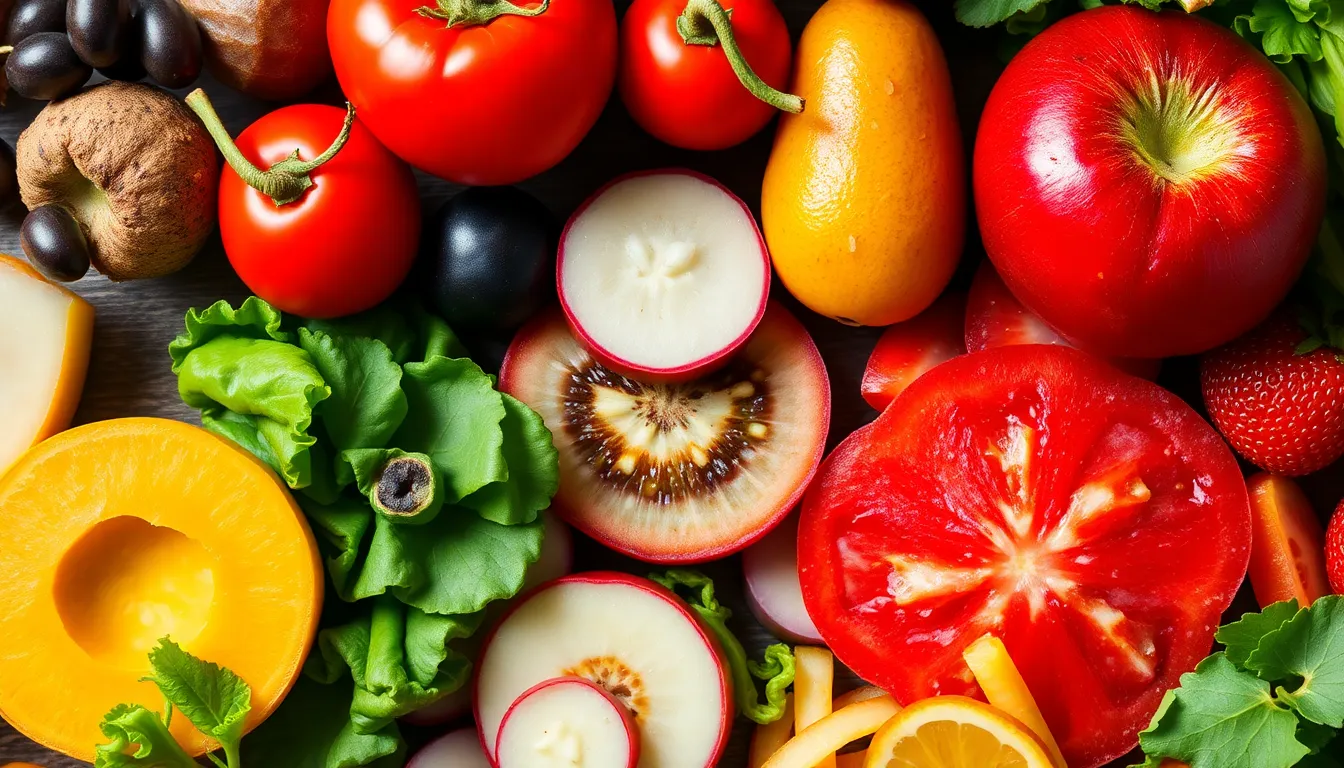
The Science Behind Raw Foods: Why They’re Good for You
Introduction: Unveiling the Raw Food Revolution
The raw food movement has surged in popularity over the past few years, captivating the hearts of health enthusiasts and culinary adventurers alike. Advocates of this lifestyle believe in consuming foods in their natural state, free from cooking or processing, to maximize health benefits. Understanding the science behind raw foods is essential for anyone curious about their potential advantages.
In this article, we’ll explore everything from the nutritional powerhouse of raw foods to their myriad health benefits, preparation techniques, and debunking common myths. Prepare to embark on a journey that will transform the way you view your food.
1. The Nutritional Powerhouse: Understanding Raw Foods
Raw foods are defined as any plant-based foods that are uncooked and unprocessed, including fruits, vegetables, nuts, seeds, grains, and legumes. Some people also include raw dairy and meat in their diets. Here are a few examples:
- Fresh fruits (apples, bananas, berries)
- Vegetables (carrots, spinach, kale)
- Nuts and seeds (almonds, chia seeds, walnuts)
- Sprouted grains and legumes (lentils, chickpeas)
Cooking can significantly alter the nutritional content of these foods. Research shows that certain vitamins and minerals are diminished when exposed to high temperatures. For instance:
- Vitamin C can be reduced by up to 50% when boiled.
- Some B vitamins are particularly sensitive to heat and can be lost during cooking.
Raw foods retain essential nutrients and are rich in enzymes, which play a vital role in digestion and cellular health. These enzymes are proteins that catalyze biochemical reactions within the body, allowing for better nutrient absorption and metabolic processes.
2. The Health Benefits: More Than Just a Trend
Raw foods offer a range of health benefits that extend beyond dietary trends. Let’s delve into some of the most noteworthy advantages:
2.1 Boosting Your Immunity
Raw foods can significantly enhance your immune function. The high levels of vitamins, minerals, and antioxidants found in many raw foods help to strengthen your body’s defenses against illnesses.
Key Nutrients found in Raw Foods that Support Immunity:
- Vitamin C (found in citrus fruits)
- Beta-carotene (found in carrots and sweet potatoes)
- Flavonoids (found in berries and dark chocolate)
2.2 Weight Management and Digestive Health
Raw foods can play a pivotal role in weight loss and management. Naturally low in calories and high in fiber, they keep you feeling full and satisfied while helping regulate digestion.
- High fiber content aids in digestion and can reduce the risk of constipation.
- Increased water content in fruits and vegetables can help manage appetite.
2.3 Mental Clarity and Energy Levels
Many people report feeling more mentally clear and energized after incorporating raw foods into their diet. The natural sugars found in fruits provide a quick energy boost, while the nutrients support cognitive function.
3. The Science of Enzymes: Nature’s Little Helpers
Enzymes are essential for various bodily functions, especially digestion. Consuming raw foods provides your body with a rich supply of these vital proteins, which can enhance your digestive health.
Here’s how raw foods contribute to enzymes:
- Raw foods contain natural enzymes that help break down food, simplifying digestion.
- These enzymes can reduce the energy your body expends on digestion, leaving more energy for other bodily functions.
HTML Table: Enzyme Activity in Common Raw Foods
| Raw Food | Enzyme Content | Health Benefits |
|---|---|---|
| Pineapple | Bromelain | Aids in protein digestion and reduces inflammation |
| Papaya | Papain | Supports digestion of proteins and may help relieve bloating |
| Sprouted Lentils | Amylase | Improves starch digestion and enhances nutrient absorption |
| Raw Honey | Diastase | Assists in carbohydrate digestion |
4. Raw Food Preparation Techniques: Making It Delicious
Preparing raw foods can be both fun and creative. Here are some techniques to enhance your meals:
4.1 Soaking and Sprouting
Soaking and sprouting raw grains and legumes can unlock their full nutritional potential. Soaking helps to reduce anti-nutrients, while sprouting increases their vitamin and enzyme content.
4.2 Fermentation: A Flavorful Twist
Fermenting raw foods introduces beneficial probiotics, enhancing gut health and digestion. Foods like kimchi and sauerkraut offer a tangy flavor boost along with their health benefits.
4.3 Creative Raw Food Recipes
To inspire your culinary journey, here are a few simple yet delicious raw food recipes:
- Raw Zucchini Noodles: Spiralize zucchini, toss with cherry tomatoes, basil, and a lemon-olive oil dressing.
- Chia Seed Pudding: Mix chia seeds with almond milk and a sweetener of choice, refrigerate overnight.
- Raw Energy Bites: Blend dates, nuts, and cocoa powder; roll into bite-sized balls.
Essential tools for raw food preparation include a spiralizer, food processor, and dehydrator.
5. Addressing Common Myths: Raw Food Concerns Debunked
Despite their popularity, raw foods often come with misconceptions. Let’s debunk some common myths:
5.1 Are Raw Foods Safe?
Many question the safety of consuming raw foods. Proper handling and washing of raw ingredients are critical to prevent foodborne illnesses. Incorporate organic produce when possible, and always wash fruits and vegetables thoroughly.
5.2 Nutritional Deficiencies: Fact or Fiction?
While some may argue that following a raw food diet can lead to deficiencies, a well-planned raw food diet can provide ample nutrition. Incorporating a variety of foods and considering supplementation when necessary can help mitigate risks.
5.3 The Balance Between Raw and Cooked Foods
It’s essential to find a balance between raw and cooked foods for optimal health. Both have unique benefits that can contribute to a well-rounded diet. Embrace the diversity of both food preparations!
Conclusion: Embracing the Raw Food Lifestyle
Incorporating raw foods into your diet can lead to numerous health benefits, from improved immunity to enhanced mental clarity. As you explore the world of raw foods, remember to experiment and discover what works best for your health and lifestyle.
We encourage you to share your experiences with raw foods in the comments below! Join the revolution of vibrant, nourishing eating, and unlock the potential of nature’s bounty.
Additional Resources
For those eager to learn more about raw foods, here are some valuable resources: