Mouthwatering BBQ: Master the Art of American Grilling with These Essential Tips
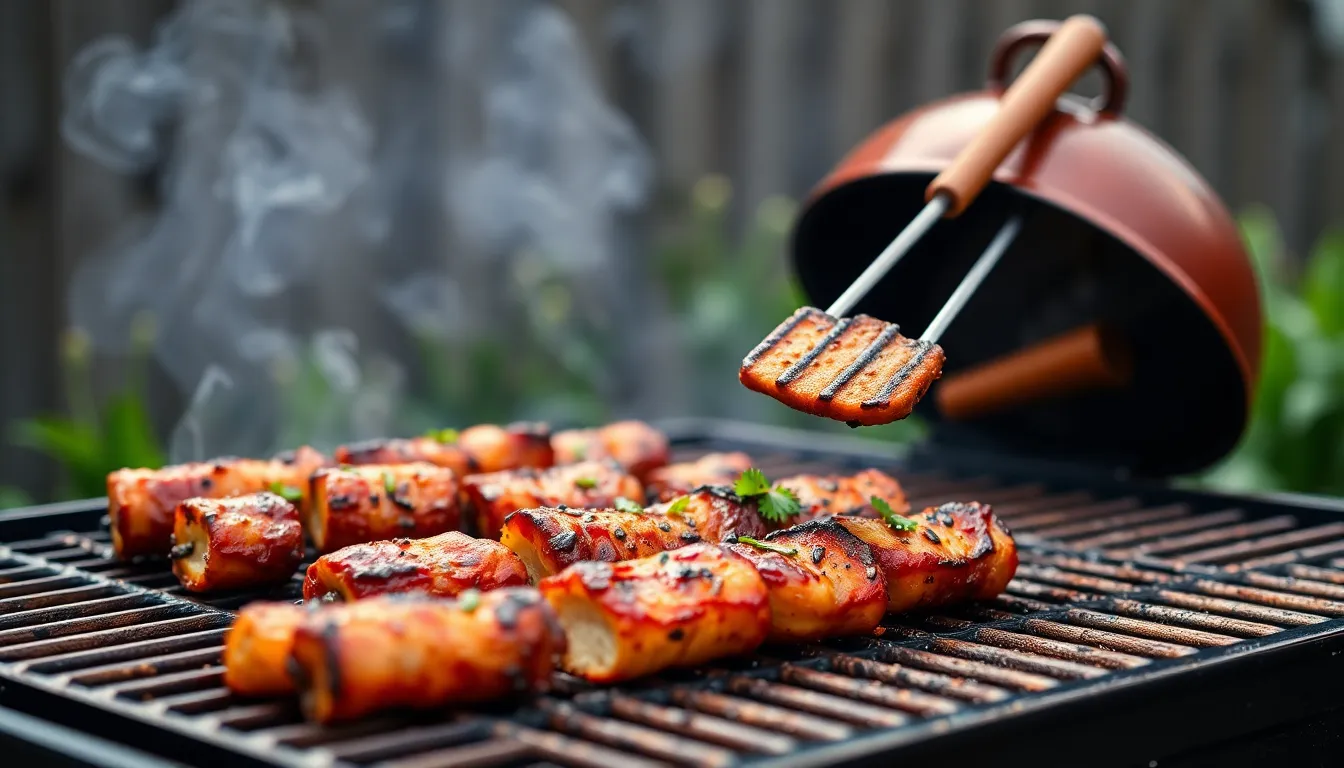
Ah, the sizzle of summer! There’s something undeniably joyous about gathering with friends and family around a grill, the tantalizing aroma of grilled meats wafting through the air, and the sound of laughter mingling with the crackle of flames. BBQ isn’t just a cooking method in American culture; it’s a cherished tradition that brings people together. The key to achieving that mouthwatering magic lies in mastering a few essential grilling techniques, and that’s exactly what we’re set to explore!
In this article, you’ll learn about the must-have tools, the pros and cons of different grill types, the art of marinating, the best seasoning techniques, grilling tips, delicious side dishes, sauces, safety practices, and how to host the perfect BBQ. Ready to fire up the grill? Let’s dive in!
1. The BBQ Basics: Tools of the Trade
When it comes to grilling, having the right tools can make all the difference between a good barbecue and a great one. Here’s a rundown of essential grilling tools that every BBQ enthusiast should consider:
| Tool Name | Purpose | Price Range | Recommended Brands |
|---|---|---|---|
| Grill Thermometer | Ensure meat is cooked to a safe temperature | $10 – $50 | ThermoWorks, Weber |
| Long-Handled Tongs | Flip and turn meat without losing juices | $5 – $30 | OXO, Weber |
| Grilling Fork | Check doneness and handle meats | $10 – $25 | Cuisinart, OXO |
| Grill Brush | Maintain cleanliness of grill grates | $5 – $20 | Weber, Grillaholics |
| Grill Basket | Cook veggies and small items easily | $10 – $30 | Kona, Weber |
Choosing the right tools depends largely on your grilling style. If you’re a beginner, consider starting with a basic set that includes tongs, a spatula, a brush, and a meat thermometer. As you grow more experienced, you can invest in specialized tools that align with the type of grilling you enjoy most.
2. Choosing Your Grill: Charcoal vs. Gas vs. Electric
The choice of grill can significantly affect your cooking experience and the flavor of your food. Here’s a breakdown of the three most common types:
- Charcoal Grills
- Pros: Adds a unique smoky flavor, often considered the traditional BBQ method.
- Cons: Takes longer to heat up, requires more maintenance, and can be challenging to control temperature.
- Gas Grills
- Pros: Quick to heat up, easy to control temperature, and cleaner than charcoal.
- Cons: Lacks the smoky flavor of charcoal and can be more expensive upfront.
- Electric Grills
- Pros: Convenient for indoor use, easy to clean, and ideal for small spaces.
- Cons: Generally lacks the authentic BBQ flavor and is dependent on electricity.
Many grilling enthusiasts swear by charcoal for the authentic flavor it provides. However, with the right techniques, a gas grill can also produce delicious results. Personal anecdotes from seasoned grillers often highlight the joy of mastering charcoal grilling, while others appreciate the convenience of gas. Choose based on your preferences and lifestyle!
3. The Perfect Marinade: Unlocking Flavor
Marinating meat is an essential step in BBQ that can elevate your dish from ordinary to extraordinary. A good marinade not only infuses flavor but also helps tenderize the meat. Here’s a simple breakdown of essential marinade ingredients:
| Ingredient | Flavor Contribution | Recommended Pairings |
|---|---|---|
| Olive Oil | Adds moisture and richness | Chicken, Fish |
| Vinegar (Balsamic, Apple Cider) | Provides acidity to tenderize | Pork, Vegetables |
| Soy Sauce | Adds umami flavor | Beef, Chicken |
| Honey or Brown Sugar | Balances acidity with sweetness | Pork, Chicken |
| Herbs and Spices | Add layers of flavor | All proteins |
Here’s a simple marinade recipe to get you started:
Simple BBQ Marinade Recipe:
- 1/3 cup olive oil
- 1/4 cup soy sauce
- 1/4 cup apple cider vinegar
- 2 tablespoons honey
- 2 cloves garlic, minced
- Salt and pepper to taste

Mix all ingredients in a bowl, add your choice of meat, and marinate for at least 2 hours (or overnight for best results).
4. The Art of Seasoning: Spice Up Your Grill Game
Seasoning is where the magic truly happens. The right blend of spices can transform a simple cut of meat into a mouthwatering masterpiece. Here are some common spices and rubs used in American BBQ:
- Paprika: Adds color and a mild sweetness.
- Cumin: Provides earthy, nutty flavor.
- Chili Powder: Adds heat and depth.
- Garlic Powder: Infuses a savory flavor.
- Brown Sugar: Balances out savory flavors and helps with caramelization.
Creating your own BBQ rub is simple! Here’s a basic recipe:
Homemade BBQ Rub:
- 1/4 cup brown sugar
- 2 tablespoons paprika
- 2 tablespoons salt
- 2 tablespoons black pepper
- 1 tablespoon garlic powder
- 1 tablespoon onion powder
- 1 tablespoon cumin
- 1 teaspoon cayenne pepper (optional for heat)

Mix all ingredients together and store in an airtight jar. Use generously on your meats before grilling!
Regional variations in seasoning can also add character to your BBQ. For instance, Kansas City BBQ is known for its sweeter sauces while Memphis BBQ favors a drier, spicier rub. Explore different styles to find what suits your palate!
5. Grilling Techniques: Achieving BBQ Perfection
Grilling is as much about technique as it is about ingredients. Here are some essential grilling techniques to apply:
- Direct Heat: Ideal for thinner cuts of meat and veggies. Place the food directly over the heat source for quick cooking.
- Indirect Heat: Best for larger cuts like brisket or whole chickens. Place the food away from the flames, allowing for slower, even cooking.
To achieve those perfect grill marks, ensure your grill is preheated, and avoid moving the meat around too much. For ideal doneness, use a meat thermometer to check internal temperatures based on the type of meat:
| Meat Type | Recommended Internal Temperature |
|---|---|
| Beef (steak) | 130-135°F (Medium Rare) |
| Pork | 145°F |
| Chicken | 165°F |
| Fish | 145°F |
Don’t forget to rest your meat after grilling! This allows the juices to redistribute, resulting in a more flavorful and juicy bite. A good rule of thumb is to let meats rest for about 5-10 minutes before slicing.
6. Side Dishes that Steal the Show
A BBQ feast isn’t just about the meat; delightful side dishes can steal the spotlight. Here are some classic BBQ sides:
| Dish Name | Key Ingredients | Cooking Time | Pairing Suggestions |
|---|---|---|---|
| Coleslaw | Cabbage, carrots, mayo, vinegar | 15-20 mins | Perfect with pulled pork |
| Cornbread | Cornmeal, flour, sugar, milk | 30-40 mins | Great with brisket |
| Baked Beans | Beans, bacon, brown sugar, BBQ sauce | 1-2 hours | A classic with ribs |
| Potato Salad | Potatoes, mayo, mustard, celery | 30-40 mins | Pairs well with any meat |
| Grilled Vegetables | Zucchini, bell peppers, onions, olive oil | 20-30 mins | Compliments any protein |
Try these recipes or find links to them to jazz up your BBQ menu!
7. The Finishing Touch: Sauces and Glazes
No BBQ is complete without sauces! From tangy vinegar-based sauces to rich tomato-based ones, the choices are endless. Here are some types of BBQ sauces to consider:
- Vinegar-Based: Common in Eastern Carolina, tangy and thin. Ideal for pork.
- Tomato-Based: Sweet and thick; Kansas City style is famous for this.
- Mustard-Based: Found in South Carolina, adds a unique flavor twist.
Applying sauce requires finesse; to avoid burning, add it during the last few minutes of grilling. Here’s a quick and easy DIY BBQ sauce recipe to try:
Easy BBQ Sauce Recipe:
- 1 cup ketchup
- 1/4 cup apple cider vinegar
- 1/4 cup brown sugar
- 1 tablespoon Worcestershire sauce
- 1 teaspoon garlic powder
- Salt and pepper to taste

Combine all ingredients in a saucepan, bring to a simmer over medium heat, and cook for 15 minutes. Let cool before using!
8. Safety First: Grilling with Confidence
While BBQing is fun, safety should always be a top priority. Here are essential safety tips to keep in mind:
- Ensure your grill is placed on a flat surface, away from flammable materials.
- Keep a spray bottle of water nearby for flare-ups.
- Monitor food temperatures with a meat thermometer to avoid undercooking.
- Always clean your grill grates after use to prevent buildup.
- Use separate utensils for raw and cooked foods to avoid cross-contamination.
Remember, proper grill maintenance is crucial for longevity. Clean it regularly, check for gas leaks in gas grills, and replace parts as needed.
9. Hosting the Perfect BBQ: Tips for Success
Now that you’re equipped with all the essential BBQ knowledge, it’s time to host your own gathering! Here are some tips for hosting a successful BBQ:
- Set the Scene: Create a welcoming atmosphere with outdoor seating, festive decorations, and perhaps some string lights.
- Plan Your Menu: Consider your guests’ preferences, including vegetarian or gluten-free options. A well-rounded menu keeps everyone happy!
- Engage Guests: Set up games like cornhole or frisbee to entertain guests while the grill does its magic.
- Stay Organized: Prepare as much as you can ahead of time so you can enjoy the gathering too!
Conclusion: Ignite Your Grill and Gather Your Friends
As you embark on your BBQ journey, remember that practice makes perfect. The tips and techniques shared here are designed to help you create mouthwatering dishes that will have your friends and family coming back for more. Embrace the joy of grilling and don’t be afraid to experiment with flavors and styles. Share your BBQ stories and favorite tips in the comments below, and let’s keep the fire of this passion burning bright!
Additional Resources
For further reading and grilling inspiration, check out these related resources: