Fermented Raw Foods: The Secret to a Healthy Gut
Welcome to the gut health revolution! In recent years, the importance of gut health has taken center stage in discussions about overall well-being. As research continues to unveil the intricate connections between our digestive system and our health, one thing is clear: a vibrant gut microbiome is essential for optimal health. Among the myriad of foods that can support gut health, fermented raw foods stand out as nutritional powerhouses. These tangy delights could very well be the missing piece in your health puzzle!
What are Fermented Raw Foods?
1.1 The Science Behind Fermentation
Fermentation is a natural process that has been used for centuries to preserve food and enhance its nutritional profile. During fermentation, microorganisms such as bacteria, yeast, and molds break down sugars and carbohydrates in food, resulting in a range of beneficial compounds. This process not only extends the shelf life of foods but also transforms them into nutrient-rich sources of probiotics and enzymes.
Probiotics are live bacteria that provide health benefits when consumed in adequate amounts. They play a crucial role in maintaining the balance of the gut microbiome, aiding digestion, and enhancing nutrient absorption. Additionally, the enzymes produced during fermentation help break down food components, making nutrients more bioavailable.
1.2 Types of Fermented Raw Foods
Fermented raw foods come in various forms, each with unique flavors and health benefits. Here are some popular examples:
- Kimchi: A spicy Korean side dish made from fermented vegetables, typically napa cabbage and radishes, rich in vitamins and probiotics.
- Sauerkraut: Fermented cabbage that boasts a tangy flavor and is packed with fiber and Vitamin C.
- Kefir: A fermented dairy drink, similar to yogurt, known for its high probiotic content and creamy texture.
- Kombucha: A fizzy, fermented tea that offers a refreshing taste and a variety of health benefits.
- Miso: A fermented soybean paste often used in Japanese cuisine, rich in vitamins and minerals, and known for its umami flavor.
Each type of fermented raw food contributes to gut health by introducing beneficial bacteria into our digestive systems, promoting microbial diversity, and enhancing nutrient absorption.
The Gut Microbiome: Your Body’s Ecosystem
2.1 Understanding the Gut Microbiome
The gut microbiome refers to the trillions of microorganisms, including bacteria, fungi, and viruses, that reside in our digestive tracts. This complex ecosystem plays a vital role in digestion, metabolism, immune function, and even mental health. A balanced microbiome can enhance our ability to absorb nutrients, protect against pathogens, and maintain overall health.
However, factors such as diet, lifestyle, and antibiotic use can disrupt the delicate balance of our gut microbiome, leading to digestive issues, inflammation, and even chronic diseases. Therefore, nurturing this microbial community is essential for promoting long-term health.
2.2 The Connection Between Fermented Foods and Gut Health
Fermented foods have a profound impact on our gut microbiome. Regular consumption of these foods can:
- Introduce diverse strains of probiotics to our digestive system.
- Promote the growth of beneficial bacteria while inhibiting harmful pathogens.
- Enhance the gut’s barrier function, preventing harmful substances from entering the bloodstream.
- Support immune function by influencing the gut-associated lymphoid tissue (GALT).
A diverse microbiome is crucial for overall health, as it can lead to improved digestion, better immunity, and enhanced mental well-being.
The Health Benefits of Fermented Raw Foods
3.1 Digestion and Nutrient Absorption
One of the primary benefits of fermented raw foods is their ability to improve digestion and increase nutrient bioavailability. By providing beneficial probiotics and enzymes, these foods help break down complex carbohydrates, proteins, and fats, making it easier for our bodies to absorb essential nutrients.
For instance, fermented dairy products like kefir can help individuals who are lactose intolerant digest lactose more effectively, while fermented vegetables can enhance the absorption of vitamins and minerals present in the food.
3.2 Boosting Immunity Through Gut Health
The gut is home to about 70% of our immune system. A healthy gut microbiome is critical for maintaining a robust immune response. Fermented raw foods can help support immune health by:
- Stimulating the production of antibodies.
- Enhancing the activity of immune cells such as T-cells and macrophages.
- Reducing inflammation in the gut, which is linked to various autoimmune diseases.
Regularly incorporating fermented foods into your diet could significantly reduce the risk of infections and chronic diseases.
3.3 Mental Health and the Gut-Brain Axis
Recent research has uncovered the fascinating connection between gut health and mental well-being, often referred to as the gut-brain axis. The gut microbiome produces neurotransmitters such as serotonin, which play a crucial role in regulating mood and emotion. A balanced microbiome can contribute to improved mental health by:
- Reducing symptoms of anxiety and depression.
- Enhancing cognitive function and memory.
- Promoting emotional stability through the production of mood-regulating neurotransmitters.
Incorporating fermented raw foods into your diet may not only support gut health but also boost your mental resilience!
Nutritional Comparison of Common Fermented Raw Foods
| Food Item | Probiotic Content (per serving) | Key Nutrients | Health Benefits |
|---|---|---|---|
| Kimchi | 1 billion CFUs | Vitamins A, C, K | Enhances digestion and boosts immunity |
| Sauerkraut | 10 billion CFUs | Vitamin C, Fiber | Supports gut health and reduces inflammation |
| Kefir | 30 billion CFUs | Calcium, B vitamins | Improves lactose digestion and gut flora |
| Kombucha | 5 billion CFUs | Antioxidants, B vitamins | Aids detoxification and boosts energy |
| Miso | 1 billion CFUs | Vitamin K, Copper | Supports gut health and enhances immunity |
How to Incorporate Fermented Raw Foods into Your Diet
4.1 Easy Recipes for Beginners
Incorporating fermented raw foods into your diet doesn’t have to be complicated or time-consuming. Here are some easy recipes that anyone can try:
- Easy Kimchi: Combine chopped napa cabbage, radishes, garlic, ginger, red pepper flakes, and salt in a large bowl. Massage the vegetables to release their juices, pack tightly into a jar, and let ferment at room temperature for 2-3 days.
- Sauerkraut: Thinly slice green cabbage and pack it tightly into a clean jar with salt. Press down firmly to release juices, cover with a cloth, and let it ferment in a cool, dark place for 1-4 weeks.
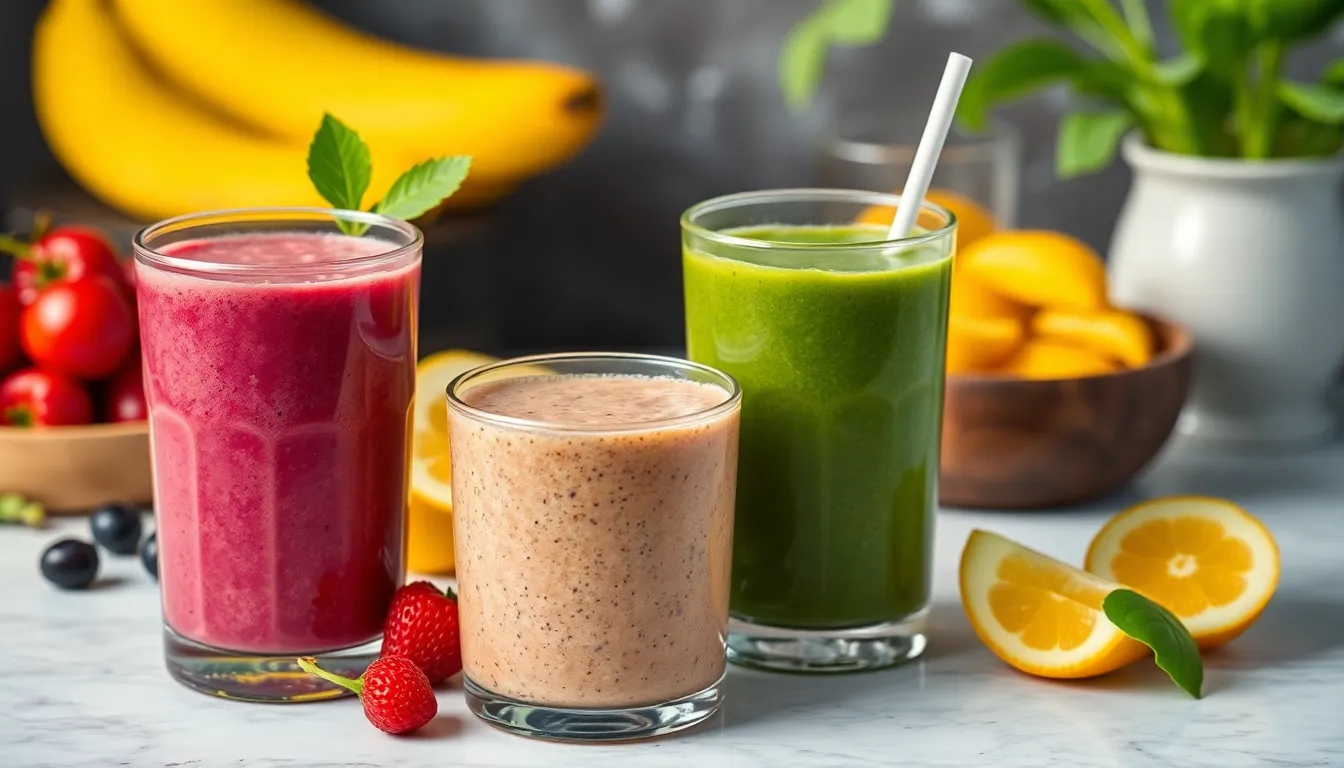
- Kefir Smoothie: Blend together kefir, your choice of fruits (e.g., bananas, berries), and a handful of spinach for a nutritious breakfast or snack.
- Kombucha Iced Tea: Brew black or green tea, add sugar, and let cool. Mix in a SCOBY (symbiotic culture of bacteria and yeast) and allow fermentation for 7-14 days until bubbly.
- Miso Soup: Dissolve a tablespoon of miso paste in warm water and add tofu cubes, seaweed, and green onions for a comforting bowl of soup.
These recipes are not only delicious but also a fantastic way to introduce fermented raw foods into your daily meals!
4.2 Creative Ways to Enjoy Fermented Foods
In addition to traditional recipes, here are some creative ways to enjoy fermented raw foods:
- Use sauerkraut as a topping for burgers or sandwiches for an added zing.
- Mix kimchi into fried rice or stir-fries for a spicy kick.
- Incorporate kefir into salad dressings or sauces for a creamy texture.
- Add a splash of kombucha to your cocktails or mocktails for a refreshing twist.
- Spread miso paste on roasted vegetables or use it as a marinade for fish or chicken.
Conclusion: Embrace the Fermentation Revolution
Fermented raw foods are not just a health trend; they are a culinary tradition steeped in history and science. By understanding the profound impact these foods can have on gut health, we can embrace the fermentation revolution and nourish our bodies from the inside out. Whether you choose to make your own or explore store-bought options, incorporating fermented raw foods into your diet is a delicious way to support your overall health and well-being.
So, are you ready to embark on this flavor-packed journey to better gut health? Let the tangy delights of fermented raw foods transform your meals and enhance your life!