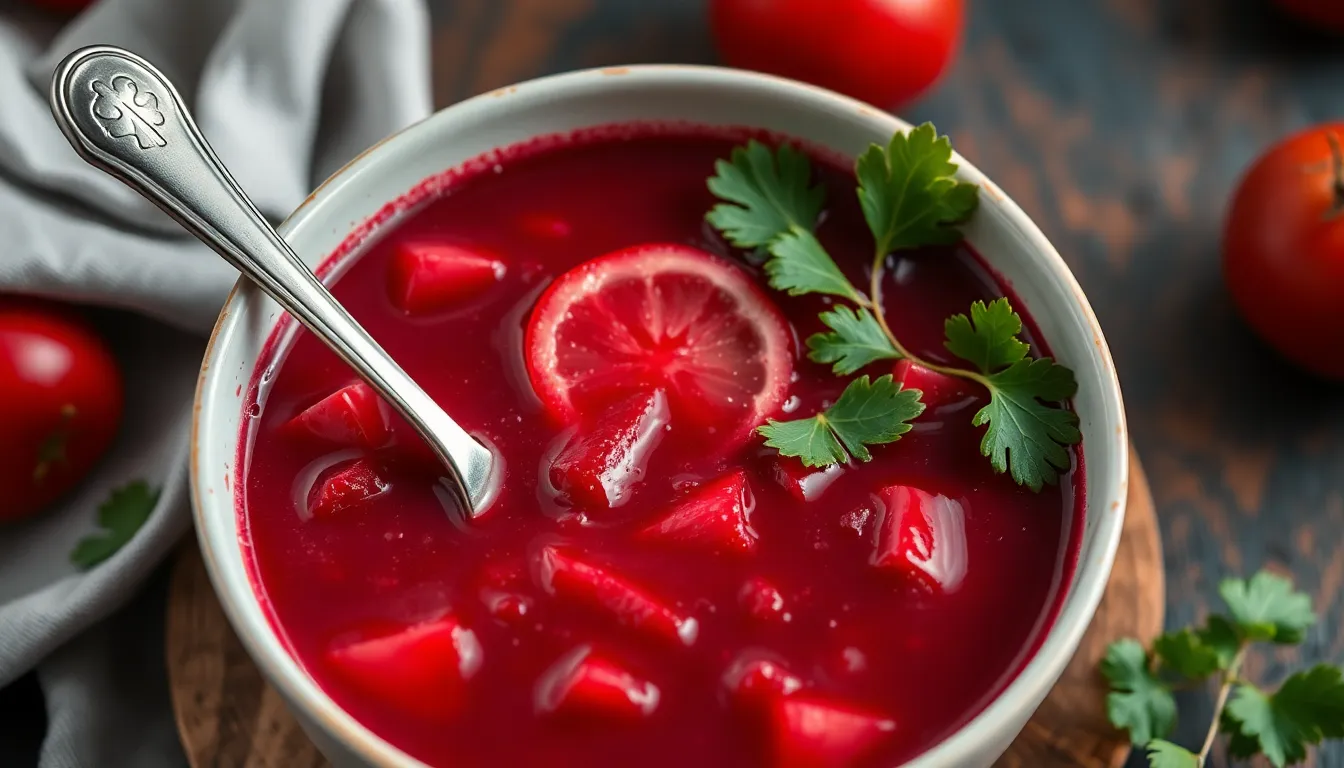
Unlock the Secrets of Borscht: A Step-by-Step Guide to Russia’s Beloved Beet Soup
Introduction: A Taste of Tradition
Borscht is not just a soup; it’s a cultural phenomenon that warms the hearts and stomachs of people across Eastern Europe. This vibrant, earthy beet soup holds a special place in the culinary tapestry of Russia, where it is often served at family gatherings, celebrations, and even on cold winter nights. The rich history and variety of flavors associated with borscht make it a beloved staple in many households.
My own journey with borscht began in my grandmother’s kitchen, where the sweet aroma of simmering beets mingled with the tang of fermented cabbage. I can still picture her, a whirlwind of flour and beet juice, teaching me how to balance flavors and adjust the seasoning. This article aims to guide you through the process of creating the perfect borscht at home, drawing on both traditional methods and personal touches.
1. The Heart of Borscht: Ingredients That Matter
1.1. Essential Ingredients
To create an authentic borscht, you’ll need to gather a few key ingredients that form the backbone of this iconic soup. Here is a detailed list of the core ingredients you’ll need:
- Beets: The star of the show, providing sweetness and a stunning deep red color.
- Cabbage: Adds texture and a slight crunch.
- Potatoes: Offers heartiness and serves as a thickening agent.
- Carrots: Enhances sweetness and contributes to the overall flavor.
- Onions: Builds a flavorful base when sautéed.
- Garlic: Adds an aromatic punch.
- Vegetable or Meat Broth: Provides depth and richness.
- Vinegar: Balances sweetness and adds necessary acidity.
1.2. Optional Additions for Flavor
While borscht can hold its own with just the essentials, consider enhancing its flavor profile with optional additions:
- Meat: Pork, beef, or chicken can be added for a heartier version.
- Beans: Great for protein, especially in vegetarian versions.
- Spices: Bay leaves, dill, or black pepper can elevate the taste.
- Tomato Paste: Adds richness and a subtle tang.
1.3. Where to Find the Best Ingredients
Fresh ingredients are key to making an unforgettable borscht. Here are some tips for sourcing the best produce:
- Visit local farmers’ markets for fresh beets and seasonal vegetables.
- Look for organic options, especially for root vegetables, as they tend to have better flavor.
- Consider specialized grocery stores for authentic Eastern European ingredients.
- For convenience, frozen vegetables can work in a pinch, but fresh is always preferable.
HTML Table: Ingredient Comparison
| Ingredient | Purpose | Fresh vs. Frozen | Alternative Options |
|---|---|---|---|
| Beets | Base flavor, color | Fresh recommended | Canned (for convenience) |
| Cabbage | Texture, flavor | Fresh recommended | Sauerkraut (for tang) |
| Potatoes | Heartiness, thickness | Fresh recommended | Sweet potatoes (for sweetness) |
| Meat (optional) | Protein source | Fresh recommended | Tofu (for vegetarian) |
2. The Art of Preparation: Steps to Culinary Mastery
2.1. Preparing Your Ingredients
The preparation stage is crucial in achieving a harmonious blend of flavors. Here’s a step-by-step guide:
- Wash: Rinse all vegetables thoroughly under cold water to remove any dirt.
- Peel: Use a vegetable peeler to remove the skin from the beets, carrots, and potatoes.
- Chop: Dice the onions, grate the beets and carrots, and chop the cabbage into thin strips.
- Measure: Have all ingredients measured out and ready to go to ensure a smooth cooking process.
2.2. The Cooking Process: Building Flavors
Now that your ingredients are prepped, it’s time to build the layers of flavor:
- Sauté the Aromatics: In a large pot, heat oil over medium heat. Add onions and sauté until translucent. Then add garlic and cook for another minute.
- Add Roots: Stir in the grated beets and carrots, cooking for about 5-7 minutes until they soften.
- Incorporate Broth: Pour in your broth and add the potatoes and cabbage. Bring to a boil.
- Simmer: Reduce the heat to low and let the soup simmer for at least 30 minutes, allowing all flavors to meld.
- Season: Taste and adjust with vinegar, salt, and pepper as desired.
2.3. Adjusting Consistency and Flavor
Don’t be afraid to make adjustments to ensure your borscht is just right:
- For Thicker Soup: Add more potatoes or let it simmer longer to reduce.
- For More Acidity: Increase the amount of vinegar or add a squeeze of lemon juice.
- For Spiciness: Incorporate a pinch of chili flakes or ground black pepper.
3. The Secret Ingredient: Personal Touches
3.1. Regional Variations
Borscht is beloved across various regions, and each area has its own spin on the classic recipe:
- Ukrainian Borscht: Typically features meat and is served with sour cream.
- Polish Borscht: Often has a lighter broth and may include dumplings.
- Jewish Borscht: Known for its sweet-sour flavor profile, often enhanced by the addition of prunes.
3.2. Family Traditions
The beauty of borscht lies in its adaptability. I invite readers to share their unique family traditions and variations, whether it’s a secret ingredient passed down through generations or a modern twist that brings a new flair to this classic dish.
4. Serving Borscht: Presentation is Key
4.1. The Perfect Bowl
How you serve borscht can elevate the dining experience:
- Traditional Bowls: Use deep, rustic bowls to emphasize its hearty nature.
- Clear Glass Bowls: Showcase the vibrant colors of the soup.
- Accompanying Bread: Serve with slices of crusty rye or sourdough for dipping.
4.2. Garnishing for Flavor and Aesthetics
Garnishing can enhance both the appearance and flavor of borscht:
- Sour Cream: A dollop adds creaminess and balances acidity.
- Fresh Dill: Sprinkle chopped dill for a burst of herbal freshness.
- Green Onions: Add a sprinkle for color and a mild onion flavor.
5. Making It Your Own: Customization Options
5.1. Vegetarian and Vegan Adaptations
Borscht is inherently adaptable for those following vegetarian or vegan diets:
- Broth: Use vegetable broth instead of meat-based options.
- Protein Sources: Add chickpeas or lentils for a protein boost.
- Non-Dairy Cream: Use coconut cream or cashew cream as a substitute for sour cream.
5.2. Creative Leftover Ideas
If you end up with leftover borscht, consider these creative ways to repurpose it:
- Borscht Risotto: Use as a base for a risotto, adding Arborio rice and stirring until creamy.
- Borscht Pasta Sauce: Thicken and reduce for a unique pasta sauce.
- Borscht Smoothie: Blend with yogurt for a nutritious breakfast option.
Conclusion:
As you embark on your borscht-making journey, remember that this beloved soup is as much about the process as it is about the final product. Embrace the rich history, adapt it to your tastes, and most importantly, share it with loved ones around the table. Whether it’s a family recipe passed down through generations or a new creation inspired by your culinary adventures, borscht is a delicious way to celebrate tradition and creativity in the kitchen. Happy cooking!