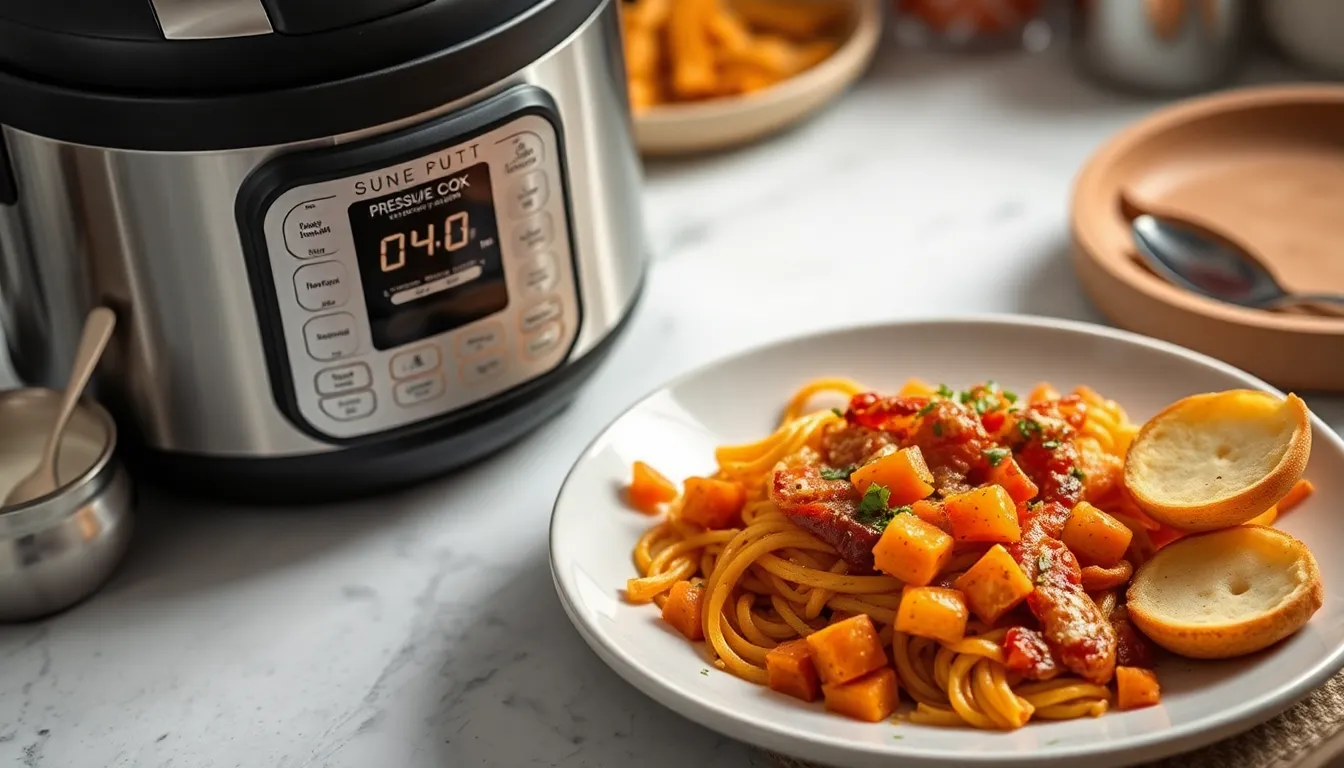
The Ultimate Guide to Pressure Cooking for Beginners
Welcome to the world of pressure cooking! This guide is designed to introduce you to the fascinating and efficient method of cooking that can revolutionize your kitchen experience. Whether you’re a novice chef or someone looking to expand their culinary horizons, pressure cooking offers a unique way to prepare meals that are not only delicious but also time-saving and healthy.
Introduction
- Brief overview of pressure cooking: Pressure cooking involves using steam and high pressure to cook food quickly. It traps steam inside the pot, which raises the temperature and cooks food faster than traditional methods.
- Benefits of using a pressure cooker: From retaining nutrients to saving time, pressure cookers are a fantastic tool for any kitchen.
- Purpose of the guide for beginners: This guide aims to provide comprehensive information about pressure cooking, from understanding how it works to delicious recipes to get you started.
Section 1: Understanding Pressure Cookers
1.1 What is a Pressure Cooker?
A pressure cooker is a kitchen appliance that uses steam pressure to cook food. When the pot is sealed, steam builds up inside, which increases the cooking temperature beyond boiling point. This allows food to cook much faster than conventional methods.
- Types of pressure cookers:
- Stovetop Pressure Cookers: These require a burner to heat the pot. They tend to reach higher pressures and cook food faster.
- Electric Pressure Cookers: These are programmable and include built-in safety features. They are user-friendly, making them a great choice for beginners.
1.2 Benefits of Pressure Cooking
- Time-saving advantages: Pressure cooking can reduce cooking times by up to 70%, allowing busy individuals to prepare meals quickly.
- Nutritional benefits: The quick cooking time helps retain vitamins and minerals that are often lost in conventional cooking.
- Energy efficiency: Because meals cook faster, pressure cookers use less energy compared to traditional ovens or stovetops.
Section 2: Getting Started with Your Pressure Cooker
2.1 Choosing the Right Pressure Cooker
When choosing a pressure cooker, consider the following factors:
- Size: Choose a size that fits your cooking needs. Common sizes range from 4 to 8 quarts.
- Type: Decide between stovetop and electric based on your cooking style.
- Features: Look for programmable functions, safety features, and ease of cleaning.
Here are some recommended brands and models:
| Brand | Model | Type | Features |
|---|---|---|---|
| Instant Pot | IP-DUO60 | Electric | Multi-function, programmable, safety features |
| Presto | 01781 | Stovetop | Heavy-duty aluminum, quick release |
| All-Clad | 4509 | Stovetop | Stainless steel, durable, high performance |
2.2 Safety Tips for Pressure Cooking
- Key safety features to look for:
- Pressure release valves
- Locking lid
- Safety interlock mechanisms
- Common safety mistakes to avoid:
- Overfilling the cooker
- Ignoring the pressure release process
- Neglecting the sealing ring maintenance
Section 3: Essential Accessories for Pressure Cooking
3.1 Must-Have Accessories
To enhance your pressure cooking experience, consider investing in the following essential accessories:
- Steamer Basket: Ideal for cooking vegetables while keeping them crisp and nutritious.
- Trivet: Keeps food elevated above liquid for better cooking results.
- Silicone Spatula: Gentle on the pot’s surface and perfect for stirring.
- Measuring Cups: Essential for accurate ingredient measurements.
3.2 Optional Accessories
While not necessary, these additional tools can enhance your cooking:
- Glass Lid: Allows you to monitor your food without releasing pressure.
- Cookbook Specific to Pressure Cooking: Offers a plethora of recipes tailored for this cooking method.
- Pressure Cooker Liners: Simplifies cleanup by preventing food from sticking.
Section 4: Basic Techniques for Pressure Cooking
4.1 Preparing Ingredients
Preparation is key to successful pressure cooking:
- How to prep ingredients:
- Chop vegetables uniformly for even cooking.
- Cut meat into smaller pieces to ensure quick cooking.
- Soak beans or legumes beforehand to reduce cooking time.
- Recommended cooking times for various food types:
- Vegetables: 2-10 minutes
- Poultry: 6-12 minutes
- Beef: 15-20 minutes
- Legumes: 20-40 minutes (after soaking)
4.2 Cooking Methods
Pressure cooking offers various methods:
- Sautéing: Ideal for browning meats or cooking aromatics before pressure cooking.
- Steaming: Retains nutrients and enhances flavors without adding fat.
- Slow Cooking: Some electric models offer this feature, allowing for low and slow cooking.
4.3 Step-by-Step Cooking Process
Here’s a detailed process to guide you through cooking with a pressure cooker:
- Prepare your ingredients and measure out liquids.
- Place the food and liquids into the pressure cooker, ensuring not to exceed the fill line.
- Secure the lid tightly, ensuring the pressure release valve is closed.
- Set your cooker to the desired cooking program or adjust the heat for stovetop models.
- Once cooking time is complete, release the pressure using the appropriate method (natural or quick release).
- Open the lid carefully, allowing any remaining steam to escape before serving.
Section 5: Troubleshooting Common Issues
5.1 Common Problems and Solutions
Here are some issues you may encounter with solutions:
| Issue | Solution |
|---|---|
| Steam Leaking from the Lid | Check the sealing ring and ensure the lid is locked properly. |
| Food is Undercooked | Increase cooking time or check the pressure gauge for proper function. |
| Food is Overcooked | Adjust cooking time based on the food type next time. |
5.2 FAQs about Pressure Cooking
- Can I use frozen ingredients? Yes, but increase the cooking time.
- Is it safe to use a pressure cooker? Yes, when used according to the manufacturer’s instructions.
- Can I cook rice in a pressure cooker? Absolutely, it cooks quickly and stays fluffy!
Section 6: Delicious Recipes to Get You Started
6.1 Simple Recipes for Beginners
Recipe 1: Basic Chicken and Rice
Ingredients: Chicken, Rice, Broth, Vegetables
Cooking Time: 20 mins
Instructions: Sauté onions and garlic, add rice and broth, place chicken on top, seal, and cook on high pressure.
Recipe 2: Hearty Vegetable Soup
Ingredients: Mixed Vegetables, Broth, Herbs
Cooking Time: 15 mins
Instructions: Combine vegetables and broth, seal, cook on high pressure, then blend for a smooth texture.
Recipe 3: Quick Beef Stew
Ingredients: Beef, Potatoes, Carrots, Broth
Cooking Time: 30 mins
Instructions: Brown beef, add vegetables and broth, seal, and cook on high pressure.
6.2 Recipe Table
| Recipe | Ingredients | Cooking Time | Difficulty Level |
|---|---|---|---|
| Basic Chicken and Rice | Chicken, Rice, Broth, Vegetables | 20 mins | Easy |
| Hearty Vegetable Soup | Mixed Vegetables, Broth, Herbs | 15 mins | Easy |
| Quick Beef Stew | Beef, Potatoes, Carrots, Broth | 30 mins | Medium |
With this comprehensive guide, you’re now equipped to embark on your pressure cooking journey. The versatility and efficiency of pressure cookers can take your culinary skills to new heights. Enjoy experimenting with different recipes and techniques as you discover the joy of cooking under pressure!