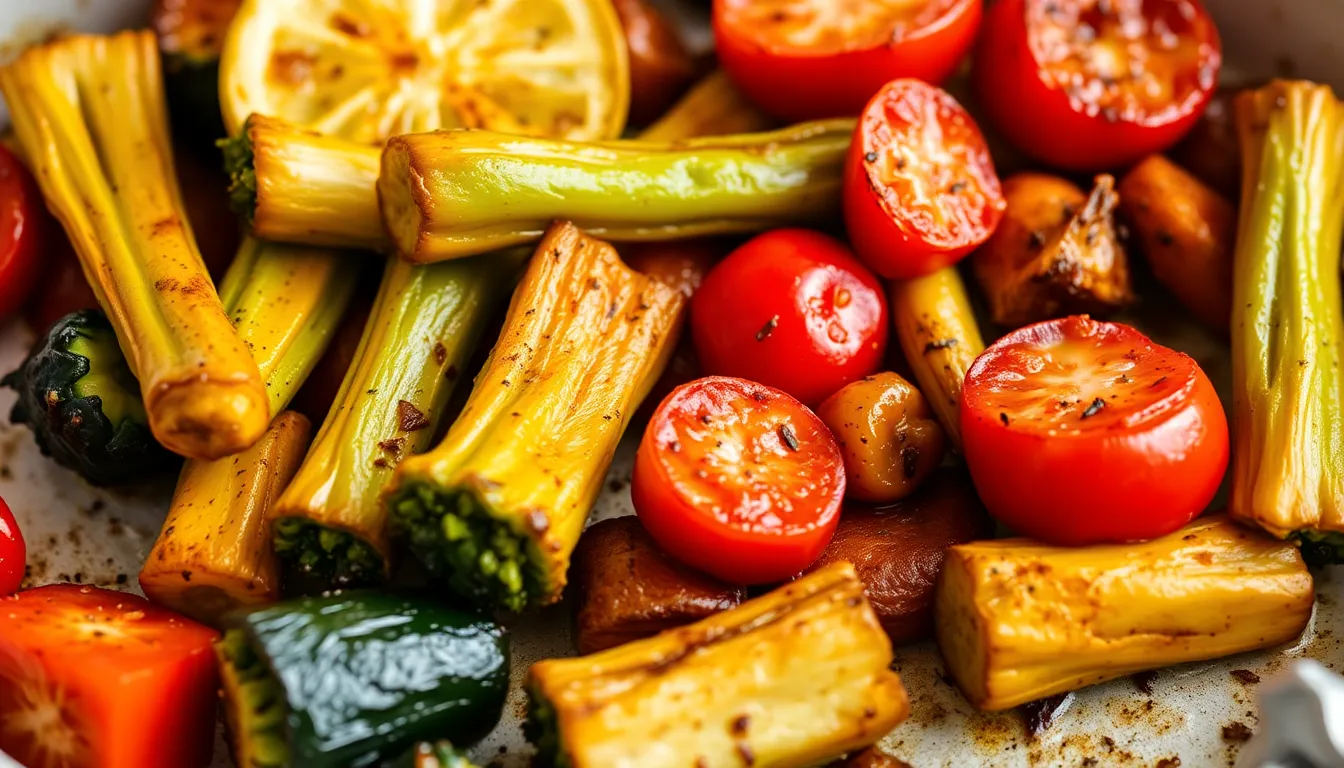
The Secret to Broiling Perfectly Tender Veggies
Broiling vegetables has become a beloved cooking technique in many kitchens, and for good reason. The high heat of the broiler transforms fresh produce into caramelized, flavorful bites that are both tender and vibrant. If you’re looking to incorporate more veggies into your diet, broiling is a simple and effective method that can elevate the taste of your meals without much effort. In this blog post, we will explore the secrets to achieving perfectly tender, flavorful results every time you broil.
Section 1: Understanding the Broiling Process
Broiling is a cooking method that uses high, direct heat from above, typically from the top heating element in your oven. Unlike baking, which cooks food by surrounding it with hot air, broiling cooks food quickly and creates a delicious char on the surface. This method is similar to grilling but takes place indoors, making it a convenient option for year-round cooking.
The science behind broiling lies in the Maillard reaction, a chemical process that occurs when proteins and sugars in food are exposed to high heat. This reaction not only enhances the flavor but also creates a appealing color and texture. When it comes to vegetables, broiling can caramelize their natural sugars, resulting in a rich, sweet taste that can elevate any dish.
Section 2: Choosing the Right Vegetables
Not all vegetables are created equal when it comes to broiling. Some vegetables hold up better to high heat, while others may become mushy or lose their flavor. Here are some of the best vegetables for broiling:
- Bell Peppers
- Zucchini
- Asparagus
- Eggplant
- Mushrooms
When selecting fresh vegetables, look for the following qualities:
- Vibrant color
- Firm texture (no soft spots)
- Fresh aroma
- Seasonal availability
| Vegetable | Cooking Time | Best Practices | Flavor Pairings |
|---|---|---|---|
| Bell Peppers | 8-10 minutes | Cut into strips or quarters | Garlic, onion, basil |
| Zucchini | 6-8 minutes | Slice into rounds or halves | Oregano, lemon, feta |
| Asparagus | 5-7 minutes | Leave whole or trim ends | Parmesan, balsamic, pepper |
| Eggplant | 10-12 minutes | Slice into rounds; salt to draw out moisture | Tomato, mint, garlic |
| Mushrooms | 8-10 minutes | Leave whole or slice | Thyme, parsley, soy sauce |
Section 3: Preparing Vegetables for Broiling
Preparation is key to achieving perfectly broiled vegetables. Begin by washing your vegetables thoroughly under running water to remove any dirt or pesticide residue. Depending on the type of vegetable, you may need to peel or trim them. For example, eggplant has a bitter skin that is best removed, while zucchini can be left unpeeled for added fiber.
Next, cut the vegetables into uniform pieces to ensure even cooking. For instance, bell peppers can be sliced into strips, while zucchini can be cut into rounds or half-moons. The size you choose will affect the cooking time, so aim for pieces that are about the same thickness.
To enhance the flavor of your broiled veggies, consider marinating them before cooking. A simple marinade can make a world of difference. Here’s a quick recipe:
Simple Marinade Recipe
- 2 tablespoons olive oil
- 1 tablespoon balsamic vinegar
- 2 cloves garlic, minced
- 1 teaspoon dried oregano
- Salt and pepper to taste
Mix all the ingredients in a bowl, add the cut vegetables, and let them marinate for at least 30 minutes before broiling.
Section 4: Broiling Techniques and Tips
To achieve the best results when broiling, it’s crucial to know how to set up your oven. Start by positioning the oven rack 4 to 6 inches from the broiler. This distance will ensure that the heat reaches your vegetables effectively without burning them too quickly.
Before placing your vegetables in the oven, preheat the broiler for about 5 minutes. This step is essential for achieving that gorgeous char and ensures your veggies cook evenly. Once the oven is ready, place the marinated vegetables on a broiler-safe pan, spreading them out in a single layer for even cooking.
Keep an eye on your veggies as they broil; cooking times can vary based on the type of vegetable and your oven’s heat intensity. Many vegetables cook in 5 to 12 minutes, so set a timer and check halfway through. If you notice any pieces starting to brown too quickly, you can flip them or move them to a cooler spot in the oven.
Section 5: Creative Flavor Enhancements
While broiled vegetables are delicious on their own, adding herbs, spices, and toppings can elevate their flavor even further. Here are some suggestions for creative enhancements:
- Herbs: Try fresh basil, parsley, or thyme for a burst of flavor.
- Spices: Season with smoked paprika, cumin, or crushed red pepper for heat.
- Toppings: Sprinkle with feta cheese, toasted nuts, or fresh lemon zest post-broiling.
Consider exploring different cuisines to broaden your flavor profile:
- Mediterranean: Use garlic, lemon juice, and fresh herbs like dill or mint.
- Asian: Experiment with soy sauce, sesame oil, and ginger for a savory touch.
For a quick dressing to drizzle over your broiled veggies, try this:
Quick Dressing Idea
- 2 tablespoons tahini
- 1 tablespoon lemon juice
- 1 tablespoon water (to thin)
- Salt and pepper to taste
Section 6: Serving Suggestions
Broiled vegetables are incredibly versatile and can be enjoyed in various ways. Here are some serving suggestions to inspire your next meal:
- As a Side Dish: Pair your broiled veggies with grilled chicken or fish for a healthy side.
- In Salads: Toss broiled vegetables into a fresh salad for added texture and flavor.
- On Grain Bowls: Serve them over quinoa or brown rice with a drizzle of your favorite dressing.
Don’t forget to highlight pairings with proteins for a balanced meal. Here are some great options:
- Chicken: Broiled veggies complement grilled or roasted chicken beautifully.
- Fish: Serve alongside salmon or tilapia for a light yet filling dish.
- Plant-Based: Combine with tofu or chickpeas for a hearty vegan option.
Conclusion
Now that you know the secrets to broiling perfectly tender vegetables, it’s time to experiment! By understanding the broiling process, selecting the right veggies, and utilizing creative flavor enhancements, you can transform your meals into something extraordinary. Don’t hesitate to try different vegetable combinations and flavor profiles to discover your favorites.
We encourage you to dive into the world of broiling and share your experiences in the comments below. What are your favorite vegetables to broil? How do you like to season them? Let’s learn from each other!
Call to Action
If you enjoyed this post and want more cooking tips and delicious recipes, be sure to subscribe to our blog! Share this article on social media and help others learn the secret to broiling.
Optional Section: Reader’s Recipe Showcase
We love hearing from our readers! If you have your own broiling recipes or tips, please submit them for a chance to be featured in our upcoming posts. Happy cooking!