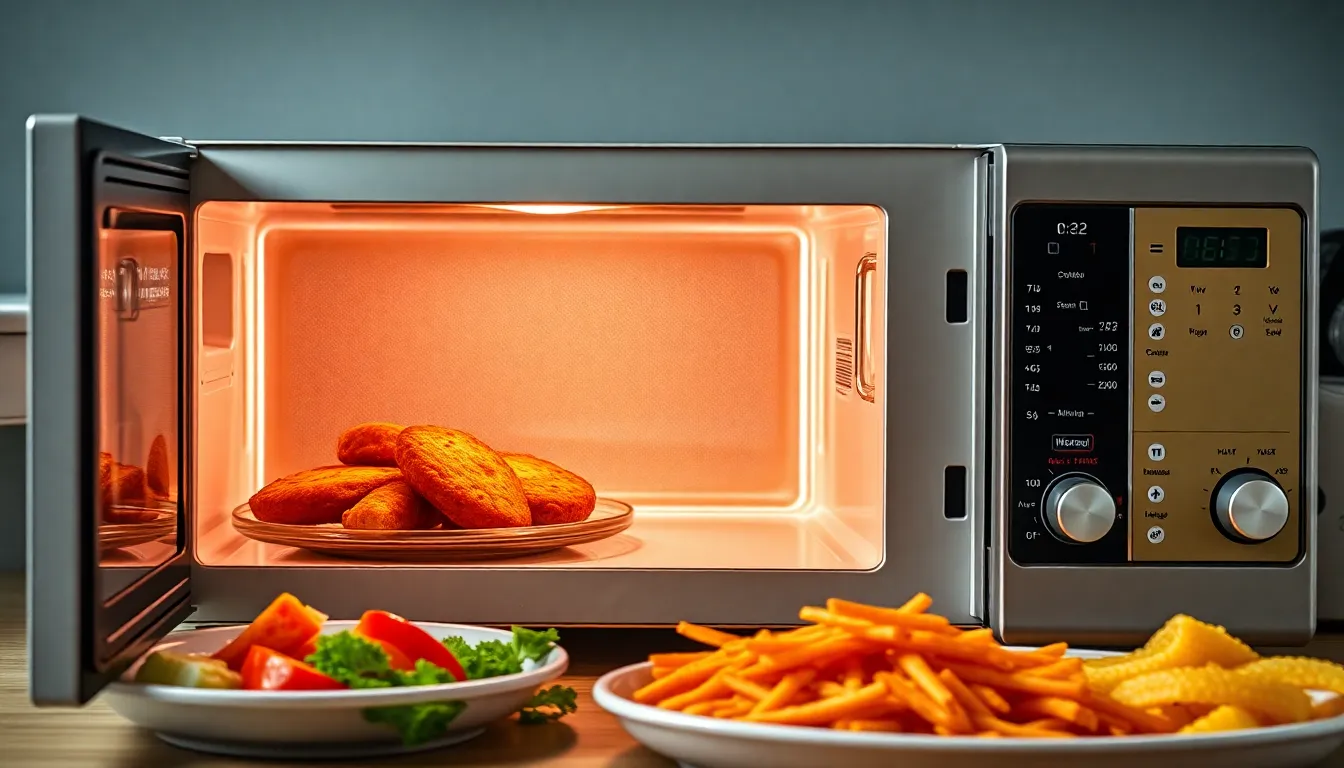
The Science of Microwaving: How It Works and Why It’s Great
I. Introduction
In today’s fast-paced world, microwave ovens have become a staple in almost every kitchen. Their convenience and speed have made them immensely popular, allowing us to prepare meals in a fraction of the time it takes with traditional cooking methods. However, despite their prevalence, many people remain unaware of how microwaves actually work and why they are so effective in cooking food quickly and efficiently.
Understanding the science behind microwaving is crucial not only for maximizing the use of your appliance but also for ensuring that you’re cooking food safely and healthily. This article aims to provide a comprehensive overview of how microwave ovens work, their benefits, common misconceptions, and tips for effective microwaving.
II. The Basics of Microwaving
A. What is a microwave oven?
A microwave oven is an electric kitchen appliance that cooks food by using electromagnetic radiation in the microwave frequency range. This type of radiation is non-ionizing, meaning it does not carry enough energy to remove tightly bound electrons from atoms or molecules. Microwaves work by agitating water molecules in food, leading to quick heating and cooking.
B. History of the microwave oven
The microwave oven was invented in the 1940s by Percy Spencer, an engineer who discovered that microwaves could cook food while working on radar technology. The first commercial microwave oven, called the “Radarange,” was introduced in 1947 and was primarily used in restaurants and by the military. Over the decades, advancements in technology led to the creation of smaller, more affordable microwave ovens for home use, which became widely popular in the 1970s and 1980s.
C. How microwaves differ from conventional ovens
Unlike conventional ovens that heat food by surrounding it with hot air, microwave ovens generate heat directly within the food itself. This method results in much faster cooking times, as microwaves penetrate food and excite water molecules, producing heat immediately. This fundamental difference is what makes microwaves a favorite for quick meal preparation.
III. The Science Behind Microwaving
A. Explanation of microwave radiation
1. Definition of electromagnetic waves
Microwaves are a type of electromagnetic wave, similar to visible light, radio waves, and X-rays. They have longer wavelengths than visible light but shorter wavelengths than radio waves. Microwaves typically operate at frequencies ranging from 300 MHz to 300 GHz, with the most common frequency used in microwave ovens being around 2.45 GHz.
2. How microwaves heat food
When you turn on a microwave, it generates microwaves that are absorbed by food, particularly by water molecules. These microwaves cause the water molecules to vibrate rapidly, creating friction and heat. This heat then spreads throughout the food, cooking it from the inside out.
B. The role of water molecules in heating
1. Polar molecules and heat generation
Water molecules are polar, meaning they have a partial positive charge on one side and a partial negative charge on the other. When exposed to microwaves, these water molecules quickly align themselves with the alternating electric field of the microwave radiation, leading to rapid movement and increased temperature.
2. Differences in heating various food types
Not all foods heat uniformly due to varying water content. For example:
- High-water foods: Vegetables and fruits heat quickly due to their high water content.
- Low-water foods: Dry foods like bread or crackers may heat less evenly.
- Dense foods: Foods like meat may heat unevenly, often requiring turning or stirring to ensure uniform cooking.
C. Why microwaves cook food faster
The speed of cooking in a microwave is attributed to the direct heating method. Unlike conventional ovens that rely on hot air circulating around the food, microwaves penetrate the food, heating it from the inside out. This significantly reduces cooking times, making it possible to defrost or cook meals in mere minutes.
IV. Benefits of Microwaving
A. Time-saving advantages
One of the most significant benefits of using a microwave oven is the time it saves. Whether you’re reheating leftovers, cooking frozen meals, or preparing snacks, microwaves can drastically cut down on cooking time compared to conventional methods.
B. Energy efficiency
Microwaves use less energy than traditional ovens. Because they cook food more quickly and directly, they require less electricity for the same amount of cooking. This efficiency not only saves time but also reduces energy costs.
C. Nutrient preservation in foods
Cooking with microwaves can help preserve nutrients better than conventional cooking methods. Since microwave cooking times are shorter, less energy is used, which can help retain the vitamins and minerals in food that are often lost during prolonged cooking.
D. Safety and ease of use
Microwaves are generally safe and easy to use. They come equipped with safety features such as automatic shut-off and child locks. Additionally, they reduce the risk of burns and spills common with stovetop cooking, making them an ideal option for quick meals and snacks.
V. Common Misconceptions About Microwaving
A. Does microwaving destroy nutrients?
One prevalent myth is that microwaving destroys nutrients in food. In reality, microwaving can preserve more nutrients than some other cooking methods due to its shorter cooking time. In fact, studies have shown that steaming and microwaving can retain more vitamins compared to boiling or frying.
B. Are microwaves harmful to health?
Another common misconception is that microwaves are harmful to health. Microwaves are non-ionizing radiation and do not make food radioactive. When used according to the manufacturer’s instructions, microwaves are safe for cooking food.
C. Myths about microwave cooking and food safety
Some people believe that microwaved food is not as safe as food cooked in conventional ovens. However, if food reaches the appropriate internal temperature, it is safe to eat regardless of the cooking method. Proper food handling and cooking techniques are essential for food safety, irrespective of the appliance used.
VI. Tips for Effective Microwaving
A. Best practices for microwave cooking
To maximize your microwave’s potential, consider these best practices:
- Use a microwave-safe container to avoid leaching harmful chemicals.
- Cover food to retain moisture and prevent splatters.
- Stir or rotate food halfway through cooking for even heating.
B. How to use microwave-safe containers
Always check that containers are labeled as microwave-safe. Avoid using metal or aluminum foil, as they can cause sparks. Instead, opt for glass, ceramic, or specific plastics designed for microwave use.
C. Even cooking techniques (stirring, rotating)
Microwaves can sometimes heat unevenly, so it’s vital to stir or rotate dishes during cooking. This practice ensures that all parts of the food are exposed to microwaves, promoting uniform cooking.
D. Recommended cooking times and power settings
Understanding cooking times and power settings can significantly enhance your microwave cooking experience. Lower power settings are ideal for defrosting and reheating, while high settings are best for cooking.
VII. HTML Table: Microwave Cooking Times for Common Foods
Below is a table that provides guidelines on cooking times for various common foods in the microwave. Remember, these times may vary based on the microwave’s wattage and the size of the food item.
| Food Item | Cooking Time (minutes) | Power Level |
|---|---|---|
| Popcorn | 2-4 | High |
| Frozen Vegetables | 5-7 | High |
| Baked Potato | 5-10 | High |
| Reheating Pizza | 1-2 | Medium |
| Scrambled Eggs | 3-5 | Medium |
VIII. Creative Microwave Recipes
A. Quick meals you can prepare in the microwave
The versatility of a microwave extends beyond reheating and cooking frozen meals. Here are some creative recipes you can whip up in no time:
1. Microwave Mug Cakes
These single-serving cakes are perfect for satisfying a sweet tooth in minutes. Combine flour, sugar, cocoa powder, baking powder, milk, oil, and chocolate chips in a mug. Stir well and microwave for about 1 minute. Enjoy your personal-sized dessert!
2. Steamed Vegetables
Place chopped vegetables in a microwave-safe bowl with a splash of water, cover with a lid or microwave-safe plate, and cook on high for 3-5 minutes for a quick and healthy side dish.
3. Microwave Mac and Cheese
Combine macaroni and water in a large microwave-safe bowl. Microwave on high for 2-3 minutes, stirring occasionally until cooked. Add cheese, milk, and seasoning, then microwave for an additional minute until creamy.
B. Tips for enhancing microwave recipes
– Experiment with spices and herbs to elevate flavors.
– Add proteins like cooked chicken or beans to enhance nutrition.
– Use different types of cheeses for varied taste profiles.
IX. Conclusion
The microwave oven is an incredible tool that has revolutionized the way we cook, offering unparalleled convenience and efficiency. Understanding the science behind microwaving can enhance your cooking skills and dispel common myths surrounding its use. With its time-saving capabilities, energy efficiency, and nutrient preservation, incorporating microwaving into your daily cooking routine is a smart choice.
We encourage you to explore the endless possibilities that a microwave offers and share your own favorite microwave recipes in the comments. The world of microwave cooking is vast and creative, waiting for you to dive in!
X. Additional Resources
A. Recommended books on microwave cooking
- Microwave Cooking for One by Marie T. Smith
- The Big Book of Microwave Cooking by Bruce Weinstein
- Microwave Cooking: A New Approach to Healthy Eating by Susan McCauley
B. Links to reputable food science