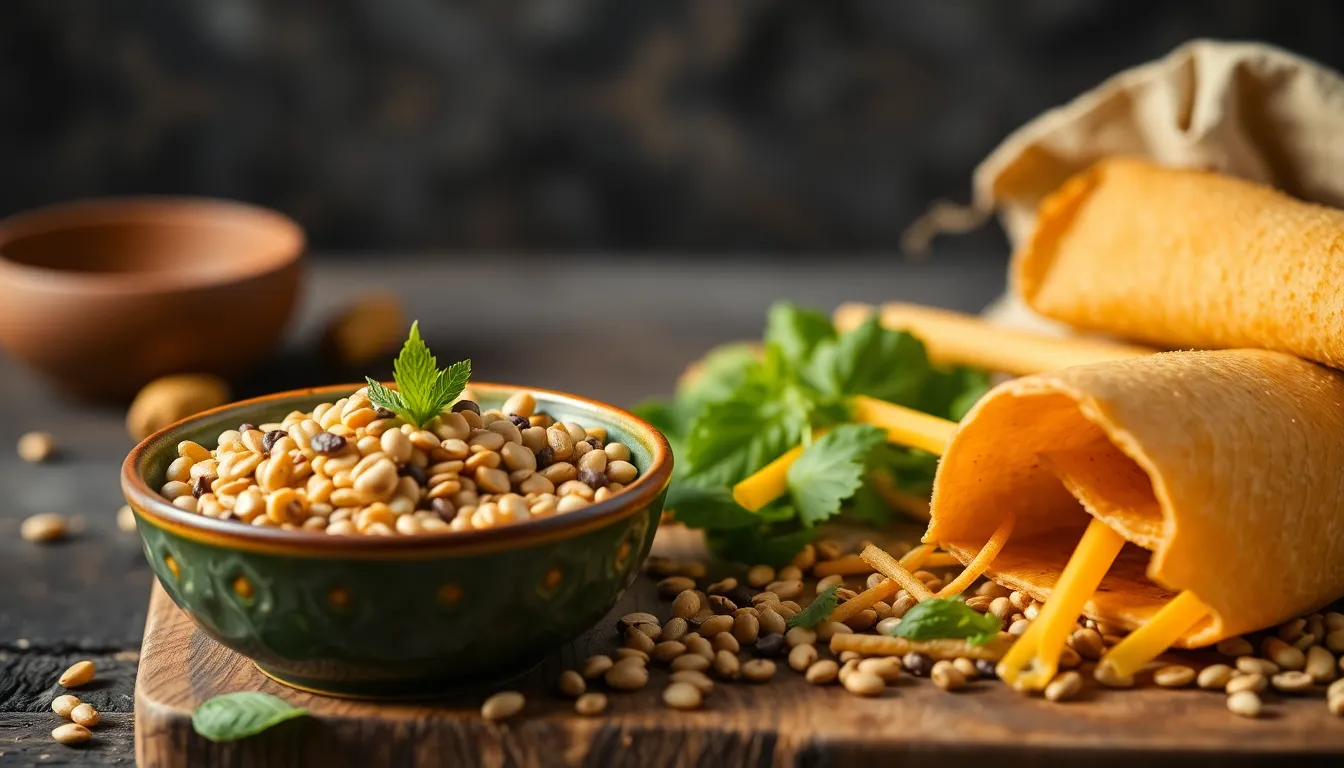
The Role of Seeds in Plant-Based Cooking
I. Introduction
Plant-based cooking is more than just a diet; it’s a lifestyle choice that focuses on the consumption of foods derived from plants, including fruits, vegetables, grains, nuts, and seeds. With the growing interest in health and wellness, many people are turning to plant-based diets for their numerous health benefits. Seeds, often overlooked, play a crucial role in enhancing the nutritional profile of plant-based meals while also adding texture and flavor.
Seeds are tiny powerhouses of nutrition, packed with essential nutrients that contribute to a balanced diet. They are rich in proteins, healthy fats, vitamins, and minerals, making them an important component of any healthy eating plan. This article aims to explore various types of seeds, their nutritional benefits, and creative ways to incorporate them into your cooking.
II. Nutritional Benefits of Seeds
Seeds are a fantastic source of nutrition and offer a wide range of health benefits. Here are some key reasons to include seeds in your diet:
- A. Rich source of protein: Seeds are known for their high protein content, making them an excellent alternative to animal proteins.
- B. Healthy fats and omega-3 fatty acids: Many seeds contain healthy fats that are beneficial for heart health and overall well-being.
- C. Vitamins and minerals: Seeds are rich in essential vitamins and minerals that support various bodily functions.
- D. Dietary fiber: The fiber found in seeds aids in digestion and helps maintain a healthy gut.
III. Common Types of Seeds Used in Plant-Based Cooking
There is a diverse array of seeds that can be utilized in plant-based cooking. Here’s a closer look at some of the most common types:
A. Chia Seeds
1. Nutritional profile
Chia seeds are an outstanding source of omega-3 fatty acids, protein, and dietary fiber. They are also rich in calcium, magnesium, and antioxidants.
2. Culinary uses
Chia seeds can be used in smoothies, puddings, baked goods, and as an egg substitute in vegan recipes. Their ability to absorb liquid makes them perfect for creating a gel-like texture in dishes.
B. Flaxseeds
1. Nutritional profile
Flaxseeds are packed with lignans, omega-3 fatty acids, and fiber. They are known for their heart-healthy benefits and are a great source of plant-based protein.
2. Culinary uses
Flaxseeds can be ground and added to smoothies, cereals, and baked goods. They are also commonly used as a binding agent in vegan recipes, replacing eggs in dishes like pancakes and muffins.
C. Pumpkin Seeds
1. Nutritional profile
Also known as pepitas, pumpkin seeds are rich in magnesium, zinc, and protein. They provide essential fatty acids and are known for their antioxidant properties.
2. Culinary uses
Pumpkin seeds can be roasted for a crunchy snack, added to salads, or used as a topping for soups and smoothies. They can also be blended into pesto or used to make nut butter.
D. Sunflower Seeds
1. Nutritional profile
Sunflower seeds are high in vitamin E and healthy fats. They also contain selenium, magnesium, and protein, making them a nutritious addition to any meal.
2. Culinary uses
These seeds can be eaten raw or roasted, added to trail mixes, sprinkled on salads, or blended into spreads and sauces.
E. Sesame Seeds
1. Nutritional profile
Sesame seeds are a great source of calcium, iron, and magnesium. They are also rich in healthy fats and protein, making them a nutritious addition to your diet.
2. Culinary uses
Sesame seeds are often used in Asian cuisine and can be sprinkled on salads, incorporated into dressings, or used to make tahini, a popular spread.
F. Hemp Seeds
1. Nutritional profile
Hemp seeds are rich in omega-3 and omega-6 fatty acids, making them an excellent choice for heart health. They contain all nine essential amino acids, making them a complete protein source.
2. Culinary uses
Hemp seeds can be sprinkled on smoothies, salads, and yogurt. They can also be blended into smoothies or used to make hemp milk and energy bars.
IV. Nutritional Comparison of Popular Seeds
| Type of Seed | Protein (g per 100g) | Healthy Fats (g per 100g) | Fiber (g per 100g) | Key Vitamins/Minerals |
|---|---|---|---|---|
| Chia Seeds | 17 | 31 | 34 | Calcium, Magnesium, Phosphorus |
| Flaxseeds | 18 | 42 | 27 | Omega-3 Fatty Acids, Lignans |
| Pumpkin Seeds | 19 | 19 | 18 | Magnesium, Zinc, Antioxidants |
| Sunflower Seeds | 21 | 51 | 8 | Vitamin E, Selenium |
| Sesame Seeds | 18 | 50 | 9 | Calcium, Iron, Magnesium |
| Hemp Seeds | 31 | 49 | 4 | Magnesium, Iron, Zinc |
V. Incorporating Seeds into Your Diet
Now that you know about the various seeds and their nutritional benefits, let’s explore some tips for incorporating them into your meals:
A. Tips for adding seeds to meals
- Smoothies: Add a tablespoon of chia or flaxseeds to your morning smoothie for a nutrient boost.
- Salads: Sprinkle pumpkin or sunflower seeds onto salads for added crunch and nutrition.
- Baked goods: Incorporate ground flaxseeds or hemp seeds into muffins, pancakes, or bread for extra protein.
- Breakfast bowls: Top your oatmeal or yogurt with a mix of seeds for a filling breakfast.
B. Recommended serving sizes
While seeds are incredibly nutritious, moderation is key. Here are some recommended serving sizes:
- Chia Seeds: 1-2 tablespoons
- Flaxseeds: 1 tablespoon (ground)
- Pumpkin Seeds: 1 ounce (about 28g)
- Sunflower Seeds: 1 ounce (about 28g)
- Sesame Seeds: 1-2 tablespoons
- Hemp Seeds: 2-3 tablespoons
VI. Recipes Featuring Seeds
Here are some delicious recipes that highlight the amazing flavors and health benefits of seeds:
A. Chia Seed Pudding
Ingredients:
- 1/4 cup chia seeds
- 1 cup almond milk
- 1 tablespoon maple syrup
- Fresh fruit and nuts for topping
Instructions:
- In a bowl, combine chia seeds, almond milk, and maple syrup.
- Mix well and let it sit for at least 30 minutes or overnight in the refrigerator.
- Top with fresh fruit and nuts before serving.
B. Flaxseed Meal Pancakes
Ingredients:
- 1 cup whole wheat flour
- 1/4 cup flaxseed meal
- 1 tablespoon baking powder
- 1 cup almond milk
- 1 tablespoon maple syrup
- 1 mashed banana (optional)
Instructions:
- In a bowl, mix flour, flaxseed meal, and baking powder.
- In another bowl, whisk almond milk, maple syrup, and mashed banana.
- Combine wet and dry ingredients and mix until smooth.
- Cook on a preheated skillet until bubbles form, then flip and cook until golden brown.
C. Roasted Pumpkin Seed Snack
Ingredients:
- 1 cup raw pumpkin seeds
- 1 tablespoon olive oil
- 1 teaspoon salt
- 1 teaspoon paprika or your choice of seasoning
Instructions:
- Preheat the oven to 350°F (175°C).
- Toss pumpkin seeds with olive oil, salt, and seasoning.
- Spread on a baking sheet and roast for 15-20 minutes until golden brown, stirring occasionally.
D. Sunflower Seed Butter
Ingredients:
- 2 cups raw sunflower seeds
- 1 tablespoon honey or maple syrup (optional)
- Pinch of salt
Instructions:
- In a food processor, blend sunflower seeds until creamy, about 5-10 minutes.
- Add honey/maple syrup and salt, and blend until combined.
- Store in an airtight container in the refrigerator.
E. Sesame-Crusted Tofu Stir-fry
Ingredients:
- 1 block firm tofu, cubed
- 1/4 cup sesame seeds
- 2 cups mixed vegetables (broccoli, bell peppers, etc.)
- 2 tablespoons soy sauce
- 1 tablespoon sesame oil
Instructions:
- Coat tofu cubes with soy sauce and roll in sesame seeds.
- Heat sesame oil in a pan and cook tofu until golden brown.
- Add mixed vegetables and stir-fry until tender. Serve hot.
F. Hemp Seed Energy Balls
Ingredients:
- 1 cup rolled oats
- 1/2 cup almond butter
- 1/4 cup honey or maple syrup
- 1/4 cup hemp seeds
- 1/4 cup chocolate chips (optional)
Instructions:
- In a bowl, mix all ingredients until combined.
- Form into small balls and refrigerate for at least 30 minutes before serving.
VII. Conclusion
In conclusion, seeds hold a significant place in plant-based cooking due to their rich nutritional profiles and culinary versatility. Incorporating a variety of seeds into your meals can enhance flavors, textures, and health benefits. We encourage you to experiment with different seeds in your recipes and discover how they can elevate your cooking.
What are your favorite seed recipes? We would love to hear from you! Share your thoughts in the comments below.
VIII. Additional Resources
To deepen your understanding of the health benefits of seeds, consider the following resources:
- Studies on seeds and health
- Suggested cookbooks focusing on plant-based cooking
- Follow us on social media for more plant-based recipes and tips!