The History Behind Greek Cuisine: A Culinary Journey Through Time
Introduction: A Taste of Time
Greek cuisine is not merely a collection of recipes; it is a living tapestry woven from the threads of ancient history, vibrant cultures, and regional flavors. As one of the oldest culinary traditions, Greek food reflects the evolution of a civilization that has thrived for millennia. This exploration into the rich history of Greek cuisine reveals its significance, tracing the cultural influences and historical events that have shaped its identity over time.
Section 1: The Ancient Roots of Greek Cuisine
1.1 The Agricultural Backbone: Ancient Greece and the Land
The agricultural practices of ancient Greece laid the foundation for its culinary heritage. The fertile land and favorable climate allowed for the cultivation of staple ingredients that would become the backbone of Greek cuisine.
- Olives: Central to both diet and culture, olives were used for oil, as a snack, and a key ingredient in many dishes.
- Grains: Wheat and barley were staples, forming the basis of breads and porridge.
- Grapes: The cultivation of grapes for wine was both a dietary staple and a significant cultural element.
1.2 Mythology and Food: Legends on a Plate
Greek mythology is intertwined with the culinary practices of the time, where deities were often depicted enjoying food and drink. This mythology not only shaped the narrative around certain foods but also influenced rituals and festivals.
For example, Ambrosia and Nectar were said to be the food and drink of the gods, symbolizing immortality. Such legends inspired various food rituals, celebrating the bounty of the earth and the gifts from the gods.
Section 2: The Hellenistic Influence: Culinary Expansion
2.1 The World on a Plate: Trade and Cultural Exchange
The Hellenistic period marked a significant expansion of Greek cuisine due to enhanced trade routes. As the Greeks expanded their territories, they came in contact with numerous cultures, bringing back new ingredients and flavor profiles.
- Spices from the East, like cinnamon and black pepper, were introduced into Greek cooking.
- Fruits such as pomegranates and exotic nuts enriched the palate.
- Cooking techniques from Persia and Egypt influenced Greek culinary methods.
2.2 A Melting Pot: The Fusion of Flavors
The interaction with other cultures transformed Greek cuisine into a melting pot of flavors. The infusion of diverse ingredients created new dishes that became staples in the Greek diet.
For instance, the dish Dolmades (stuffed grape leaves) showcases this fusion, combining local ingredients with practices from neighboring regions.
Section 3: The Byzantine Era: A Culinary Renaissance
3.1 The Role of Religion in Food Preparation
The Byzantine Empire’s influence on Greek cuisine cannot be overstated, particularly through the lens of religion. The Orthodox Church dictated dietary practices, leading to the creation of numerous dishes tied to religious observances and celebrations, such as Lent.
Some popular Byzantine dishes include:
- Bougatsa: A pastry filled with custard or cheese.
- Avgolemono: A lemony soup traditionally served during celebrations.
3.2 Recipe Revival: The Cookbook of the Byzantine Empire
Ancient recipes from the Byzantine Empire continue to influence modern Greek cuisine. A notable source is the Apicius, a cookbook that preserves many culinary techniques and dishes.
| Ancient Dish | Modern Interpretation | Key Ingredients |
|---|---|---|
| Laganon | Greek Pasta | Flour, water |
| Avgolemono | Lemon Rice Soup | Chicken, lemon, rice |
| Moussaka | Classic Moussaka | Eggplant, ground meat |
| Fasolada | Greek Bean Soup | Beans, tomatoes |
Section 4: The Ottoman Influence: A Culinary Bridge
4.1 Spices and Sweets: The Ottoman Legacy
The Ottoman Empire’s rule over Greece introduced a wealth of spices and cooking methods that would further enrich Greek cuisine. Ingredients such as saffron, rosewater, and various nuts became common in both sweet and savory dishes.
Popular desserts like Baklava, a delectable pastry made with layers of filo, nuts, and honey, reflect this enduring legacy.
4.2 Culinary Traditions: Celebrations and Social Gatherings
The communal dining traditions established during the Ottoman period have continued to shape Greek culinary practices. Meals became social gatherings, where sharing food was a symbol of hospitality and community.
- Meze: A selection of small dishes served as appetizers, embodying the spirit of sharing.
- Festive Meals: Celebrations often feature large tables filled with a variety of dishes, promoting a sense of togetherness.
Section 5: Modern Greek Cuisine: A Blend of Tradition and Innovation
5.1 Farm-to-Table: The Resurgence of Local Ingredients
In recent years, there has been a resurgence of interest in local, sustainable ingredients within Greek cuisine. Modern chefs are reconnecting with the land and its bounty, emphasizing the importance of freshness and quality in every dish.
Prominent Greek chefs are reinventing traditional dishes, breathing new life into age-old recipes while maintaining their essence. Chefs like Maria Loi and Akis Petretzikis are at the forefront of this movement.
5.2 Globalization: Greek Cuisine in the World
As Greek immigrants spread across the globe, they took their culinary traditions with them, leading to the rise of Greek restaurants worldwide. This globalization has allowed Greek cuisine to adapt, incorporating local ingredients and preferences.
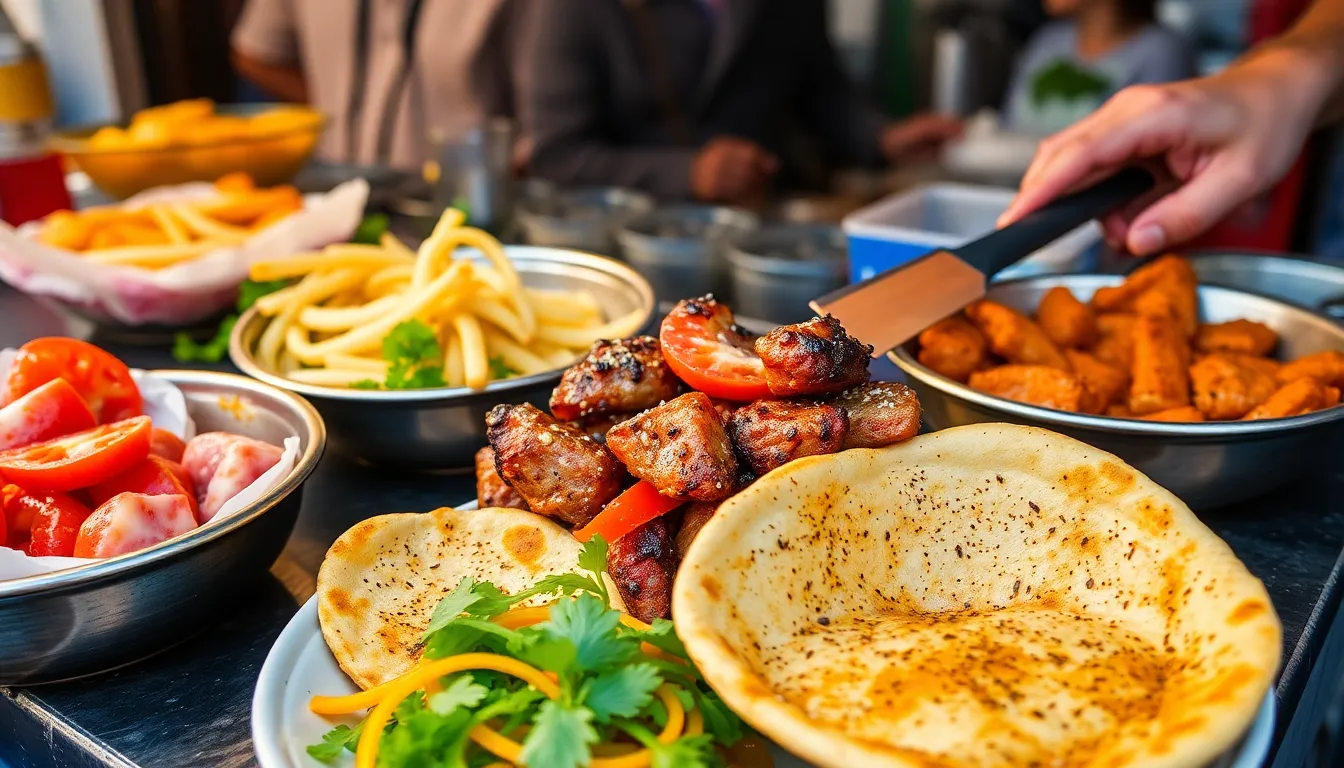
Today, you can find Greek dishes like Gyros and Souvlaki served in a variety of fusion styles, showcasing the adaptability and enduring appeal of Greek food.
Conclusion: The Enduring Legacy of Greek Cuisine
The evolution of Greek cuisine is a testament to its rich history, marked by the influences of various cultures and the adaptation of local ingredients. From its ancient roots to modern interpretations, Greek food continues to tell a story of resilience, creativity, and community.
As you embark on your culinary journey through Greek cuisine, may you find joy and inspiration in every dish and the stories it carries. Explore, taste, and embrace the flavors that have traversed time, inviting you to be part of this enduring legacy.