The Best Tools for Blanching: What Every Home Cook Needs
Blanching is a cooking technique that involves briefly boiling food and then quickly cooling it in ice water. This method is essential for preserving the vibrant color, flavor, and nutritional value of fruits and vegetables. Whether you’re prepping vegetables for freezing or enhancing the appearance of a dish, knowing how to blanch effectively can elevate your culinary skills. In this article, we will provide a comprehensive list of essential tools every home cook needs for blanching.
Understanding Blanching
Blanching is defined as the process of scalding food in boiling water for a short time and then plunging it into ice water. This technique is commonly used for vegetables and fruits before freezing or cooking them further.
Here are some benefits of blanching:
- Preservation of Color: Blanching helps maintain the vibrant colors of vegetables, making your dishes visually appealing.
- Flavor Retention: It enhances the natural flavors of the produce.
- Nutritional Value: Proper blanching can help retain vitamins and minerals in fruits and vegetables.
- Texture Improvement: It can soften the produce slightly, improving the texture in cooked dishes.
Common foods that benefit from blanching include:
- Green beans
- Broccoli
- Asparagus
- Tomatoes
- Peaches
Essential Tools for Blanching
2.1. Large Pot
The most crucial tool for blanching is a large pot. Using a large pot ensures that there is enough boiling water to cover the food completely, allowing for even cooking.
| Material | Advantages |
|---|---|
| Stainless Steel | Durable and resistant to rust and corrosion. |
| Enameled Cast Iron | Excellent heat retention and distribution. |
2.2. Slotted Spoon or Spider Strainer
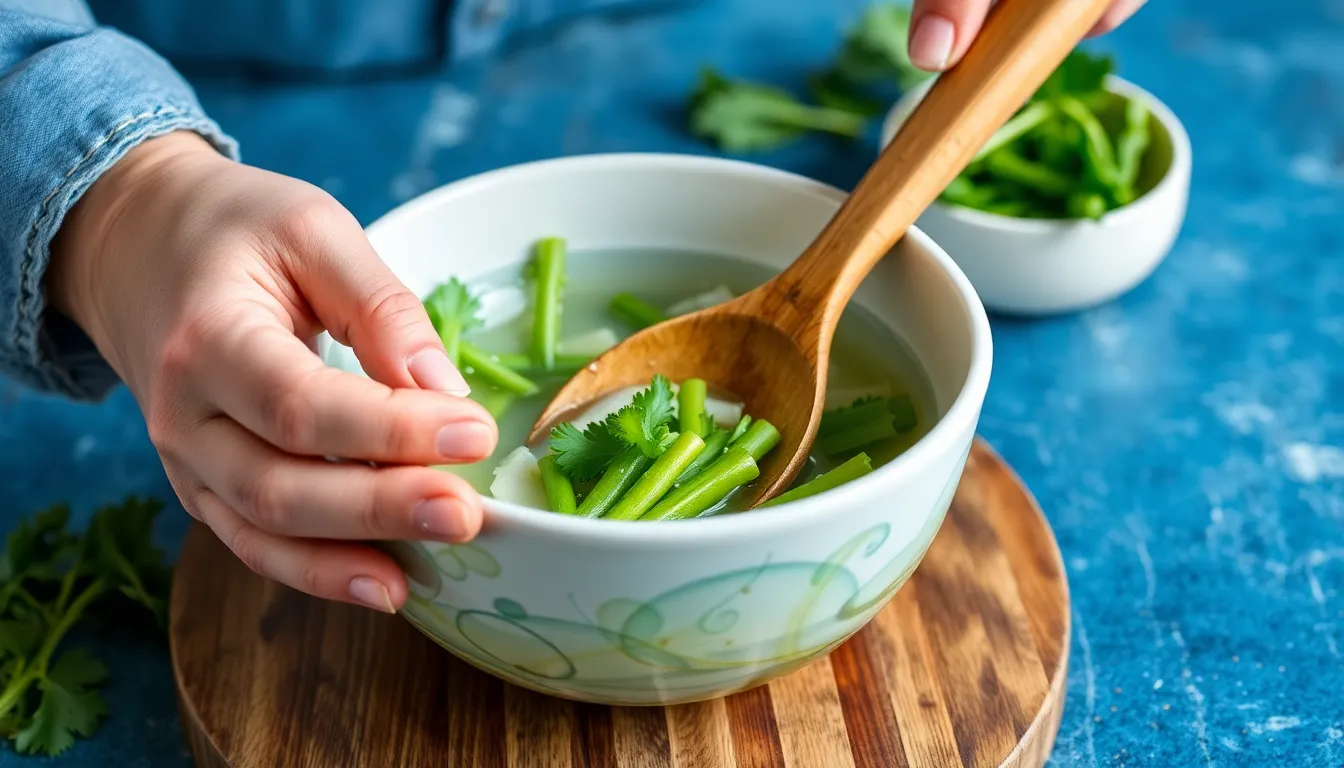
A slotted spoon or spider strainer is essential for removing blanched food from boiling water without losing it. A spider strainer is particularly advantageous for larger batches as it can handle more food at once, making the process efficient.
2.3. Ice Bath Setup
An ice bath is a crucial part of the blanching process, as it stops the cooking immediately, ensuring that the food retains its color and texture. To set up an ice bath:
- Fill a large bowl with ice and cold water.
- Prepare it while the water is boiling, so it’s ready when your food is done blanching.
2.4. Kitchen Timer
Precise timing is vital for blanching. Overcooking can lead to mushy vegetables, while undercooking won’t stop the enzymatic processes. Recommended types of timers include:
- Digital kitchen timers
- Smartphone apps with timer functions
2.5. Mesh Strainer or Colander
A mesh strainer or colander is used to drain the hot water from the blanched food. It’s important to choose a strainer that can handle the volume of food you’re working with, ensuring that water is drained effectively.
2.6. Tongs
Tongs are invaluable for handling hot food safely. They allow you to grab and transfer blanched items without burning your hands. Recommended types of tongs for blanching include:
- Silicone-tipped tongs for gripping without damaging the food.
- Stainless steel tongs for durability and heat resistance.
Optional Tools to Enhance Your Blanching Experience
3.1. Blanching Basket
A blanching basket is a specialized tool designed to hold food during the blanching process. It makes transferring food from the boiling water to the ice bath easier. Here are the pros and cons of using a blanching basket:
| Pros | Cons |
|---|---|
| Convenient for handling large batches. | Can be an extra expense. |
| Reduces risk of burning from hot water. | May take up storage space. |
3.2. Food Processor
A food processor is a useful tool after blanching if you plan to puree the blanched vegetables or fruits for sauces, soups, or baby food. It can save you time and effort in meal prep.
3.3. Vacuum Sealer
A vacuum sealer can be particularly beneficial for storing blanched foods. Blanching before sealing helps to preserve the food’s freshness and prevents freezer burn, extending the shelf life of your vegetables and fruits.
Blanching Technique
Now that we’ve covered the essential tools, let’s dive into a step-by-step guide on how to blanch effectively:
- Prepare the Produce: Wash and trim the fruits or vegetables you want to blanch. Cut them into uniform sizes for even cooking.
- Boil Water: Fill a large pot with water and add salt (optional). Bring it to a rolling boil.
- Blanch: Carefully add the prepared produce to the boiling water. Use your slotted spoon or blanching basket to avoid splashes.
- Timing: Set your kitchen timer according to the type of produce. Generally, vegetables require 1-5 minutes, while fruits may only need 30 seconds to 2 minutes.
- Ice Bath: Once the timer goes off, quickly transfer the blanched food to the ice bath to stop the cooking process.
- Drain: After a few minutes in the ice bath, remove the food and drain it using your strainer or colander.
- Store or Use: Your blanched produce is now ready to be used in your recipes or stored for later use.
Tips for different types of produce:
- Green Vegetables: Blanch for 2-3 minutes. Keep them bright green by plunging them into ice immediately.
- Tomatoes: Blanch for 30 seconds to 1 minute before peeling.
- Peaches: Blanch for 30-60 seconds for easy skin removal.
Troubleshooting Common Blanching Issues
Even with the best tools and intentions, issues can arise during blanching. Here are some common problems and solutions:
- Overcooking: This often happens if you leave food in the boiling water too long. Always adhere to recommended blanching times and set a timer.
- Not Cooling Quickly Enough: If the food isn’t cooled rapidly, it may continue to cook. Ensure your ice bath is adequately prepared, and use plenty of ice.
- Loss of Color: If the food turns dull, it may have been overcooked. Proper timing is key to maintaining vivid colors.
Summary of Tools
| Tool | Purpose | Recommended Brands |
|---|---|---|
| Large Pot | For boiling water | Calphalon, Cuisinart |
| Slotted Spoon/Spider Strainer | To remove food from boiling water | OXO, KitchenAid |
| Ice Bath Setup | To cool food quickly | N/A |
| Kitchen Timer | To track blanching time | ThermoPro, Taylor |
| Mesh Strainer/Colander | To drain water | Wilton, OXO |
| Tongs | To handle hot food | OXO, Cuisipro |
| Blanching Basket | To hold food while blanching | Vigor, Winco |
| Food Processor | For pureeing post-blanching | Cuisinart, Ninja |
| Vacuum Sealer | For storage of blanched foods | FoodSaver, NutriChef |
In conclusion, blanching is a valuable technique in the kitchen that can enhance the quality of your dishes. By investing in the right tools, you can ensure that your blanching process is efficient and effective. With the information provided in this article, you are now well-equipped to master the art of blanching and enjoy delicious, vibrant produce in your cooking.