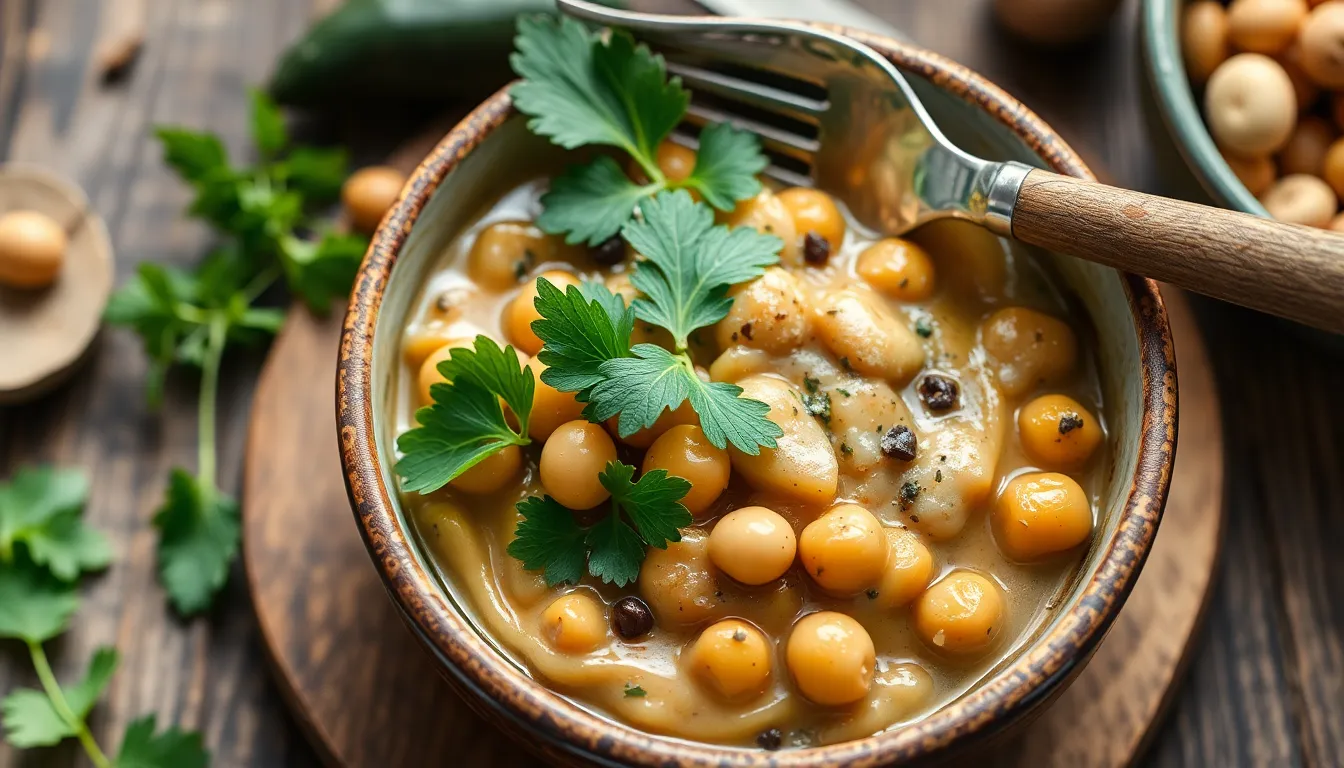
The Best Legumes for Your Mental Health
Introduction
The connection between diet and mental health is becoming increasingly recognized in today’s society. What we eat directly impacts not just our physical health but also our mental well-being. Among the many food groups, legumes stand out as powerful allies in promoting mental health. Incorporating these nutrient-rich foods into your diet can make a significant difference in your mood, cognitive function, and overall mental resilience.
In this blog post, we will explore several legumes that are particularly beneficial for mental health. From lentils to chickpeas, each legume has unique properties that contribute to our cognitive well-being.
Section 1: Understanding Legumes
Legumes are a family of plants that produce pods with seeds inside. These include beans, lentils, peas, and chickpeas. They are known for their high protein and fiber content, making them a staple in many diets around the world.
Nutritional Profile of Legumes
Legumes are not only delicious but are also packed with essential nutrients. Here’s a nutritional comparison of some common legumes:
| Legume Type | Protein (g) | Fiber (g) | Iron (mg) | Folate (µg) |
|---|---|---|---|---|
| Lentils | 18 | 15.6 | 3.3 | 181 |
| Chickpeas | 19 | 12.5 | 2.9 | 557 |
| Black Beans | 21 | 8.7 | 2.1 | 130 |
| Kidney Beans | 24 | 13.1 | 2.6 | 130 |
| Peas | 5 | 8.3 | 1.5 | 68 |
Section 2: The Mental Health Benefits of Legumes
Legumes contribute significantly to brain health and overall mental well-being. The nutrients they contain play a crucial role in regulating mood, energy levels, and cognitive functions.
For instance, the high levels of folate found in legumes help in the production of neurotransmitters, which are essential for mood regulation. Studies have linked low levels of folate to symptoms of depression and anxiety.
Moreover, the protein content in legumes is vital for neurotransmitter synthesis. Neurotransmitters like serotonin and dopamine are key players in regulating mood and mental clarity.
Section 3: Top Legumes for Mental Health
3.1 Lentils
Lentils are small but mighty legumes, known for their rich nutritional profile. They are an excellent source of protein, fiber, and important vitamins and minerals.
Nutritional Highlights:
- High in protein (18g per cup)
- Rich in dietary fiber (15.6g per cup)
- Contains significant amounts of iron and folate
Specific Benefits for Mental Health:
- Boosts serotonin levels due to high folate content.
- Improves energy levels and reduces fatigue.
Suggested Recipes:
3.2 Chickpeas
Chickpeas, also known as garbanzo beans, are incredibly versatile and rich in nutrition.
Nutritional Highlights:
- High in protein (19g per cup)
- Contains 12.5g of fiber per cup
- Rich in folate (557 µg per cup)
Specific Benefits for Mental Health:
- Enhances mood stability through stable blood sugar levels.
- Supports gut health, which is increasingly linked to mental health.
Suggested Recipes:
3.3 Black Beans
Black beans are not only delicious but also provide a wealth of nutrients beneficial for mental health.
Nutritional Highlights:
- High in protein (21g per cup)
- Contains 8.7g of fiber per cup
- Provides iron and antioxidants
Specific Benefits for Mental Health:
- Supports cognitive function through high antioxidant content.
- Helps maintain healthy blood sugar levels.
Suggested Recipes:
3.4 Kidney Beans
Kidney beans are a popular choice in many dishes and are packed with nutrients that support mental health.
Nutritional Highlights:
- High in protein (24g per cup)
- Contains 13.1g of fiber per cup
- Rich in antioxidants
Specific Benefits for Mental Health:
- Helps regulate mood through protein-rich content.
- Contributes to overall gut health.
Suggested Recipes:
3.5 Peas
Peas may be small, but they are mighty when it comes to nutrition.
Nutritional Highlights:
- Contains 5g of protein per cup
- Provides 8.3g of fiber
- Good source of vitamins A, C, and K
Specific Benefits for Mental Health:
- Rich in antioxidants that protect brain health.
- Supports overall cognitive function.
Suggested Recipes:
Section 4: How to Incorporate More Legumes into Your Diet
Adding legumes to your diet can be easy and delicious. Here are some tips for cooking and preparing legumes:
- Soak dried legumes overnight to reduce cooking time.
- Cook legumes in bulk and freeze for later use.
- Use canned legumes for quick and easy meal preparation.
Easy Ways to Add Legumes to Meals:
- Add chickpeas or black beans to salads.
- Incorporate lentils into soups and stews.
- Use legumes as a base for veggie burgers.
Overview of Legumes in Different Cuisines:
- Indian Cuisine: Lentil dal, chickpea chana masala.
- Middle Eastern Cuisine: Hummus, falafel.
- Latin American Cuisine: Black bean tacos, feijoada.
Section 5: Potential Challenges and Considerations
While legumes are incredibly nutritious, some people may experience gas and bloating when consuming them. This can be due to the oligosaccharides present in legumes, which can be difficult for some individuals to digest.
To minimize digestive issues:
- Start with small portions of legumes and increase gradually.
- Soak legumes overnight before cooking to remove some of the oligosaccharides.
- Incorporate digestive aids like ginger or cumin in your recipes.
Recommendations for People with Specific Dietary Restrictions:
- For those following a gluten-free diet, most legumes are safe to consume.
- Individuals with a soy allergy should avoid soybeans and products derived from them.
Conclusion
Incorporating legumes into your diet not only benefits your physical health but also supports your mental well-being. With their rich nutrient profile, legumes like lentils, chickpeas, and black beans can help regulate mood, improve cognitive function, and enhance overall mental resilience.
We encourage you to experiment with different types of legumes and discover how they can fit into your meals. Share your favorite legume recipes in the comments below!
Additional Resources
- Studies on Legumes and Mental Health
- Recommended Books on Nutrition and Mental Health
- Follow us on social media Facebook, Instagram for more recipes and experiences.