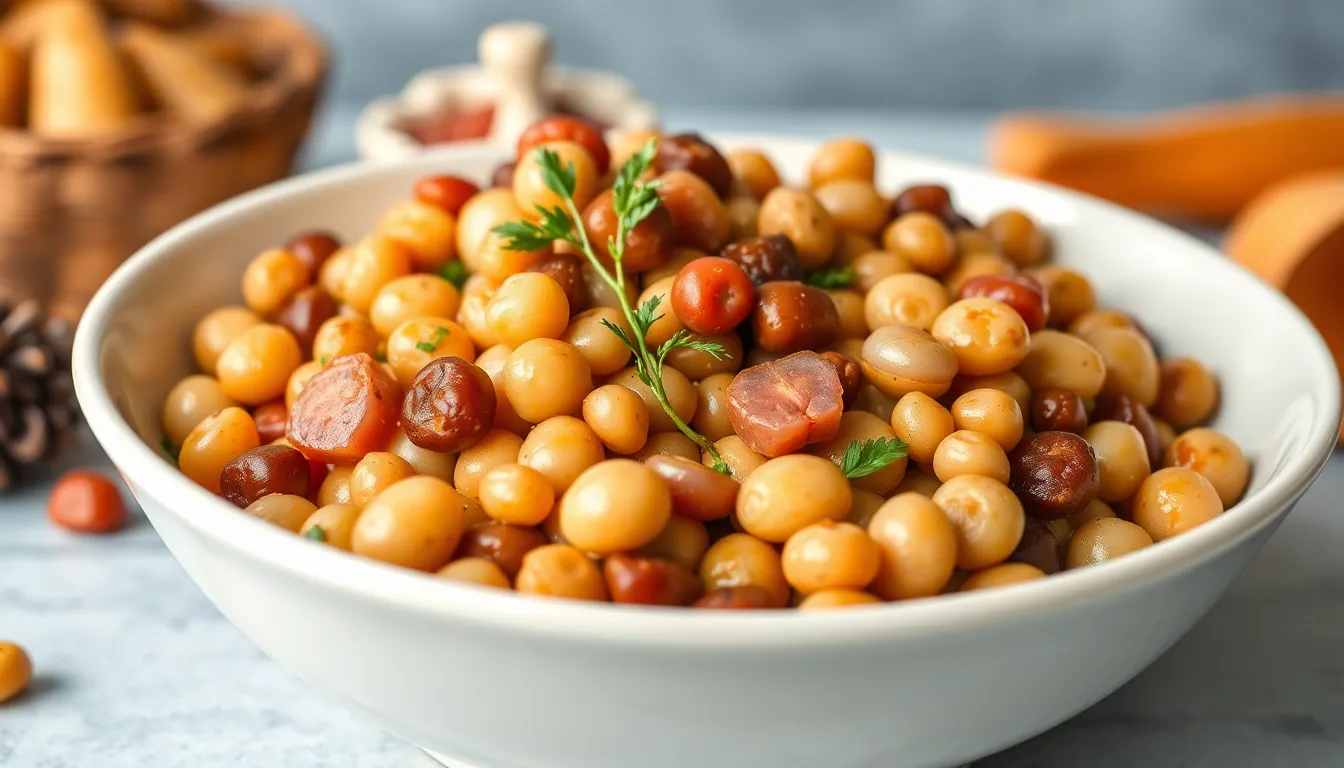
The Best Legumes for Your Immune System
I. Introduction
A strong immune system is crucial for maintaining overall health and well-being. It acts as the body’s defense mechanism, protecting us from infections, illnesses, and diseases. In today’s fast-paced world, where stress and environmental factors can weaken our immunity, it is essential to find ways to bolster our body’s natural defenses.
Diet plays a pivotal role in immune health. What we eat can significantly impact our body’s ability to fight off pathogens. Among various food groups, legumes stand out as a powerhouse for nutrition and immune support. These nutrient-dense foods are not only versatile and delicious but also packed with essential vitamins and minerals that can enhance immune function.
In this blog post, we will explore the different types of legumes, their nutritional profiles, and how they can boost your immune system. Let’s dive into the wonderful world of legumes!
II. What Are Legumes?
Legumes are a class of vegetables that include beans, lentils, peas, and chickpeas. They belong to the Fabaceae family and are known for their edible seeds and pods. Legumes are cultivated worldwide and are a staple in many diets due to their high protein content and nutritional benefits.
A. Definition and Types of Legumes
- Beans: This category includes a variety of types such as black beans, kidney beans, and navy beans.
- Lentils: These small, lens-shaped legumes come in several varieties, including green, brown, and red lentils.
- Peas: Often green in color, peas can be fresh, frozen, or dried, and include varieties like garden peas and split peas.
- Chickpeas: Also known as garbanzo beans, these legumes can be found in both whole and ground forms (like flour).
B. Nutritional Profile of Legumes
Legumes are highly nutritious, offering a rich source of protein, fiber, vitamins, and minerals. They are low in fat and cholesterol-free, making them a healthy addition to any diet. Here’s a brief overview of their nutritional benefits:
- Protein: Legumes are an excellent source of plant-based protein, making them ideal for vegetarians and vegans.
- Fiber: High fiber content aids digestion and helps maintain a healthy gut.
- Vitamins: Legumes contain various vitamins, including B vitamins (folate, B6, thiamine) that are essential for metabolic processes.
- Minerals: They are rich in minerals like iron, magnesium, potassium, and zinc, which play crucial roles in immune function.
C. Health Benefits Beyond Immunity
Besides supporting the immune system, legumes offer numerous health benefits:
- They help regulate blood sugar levels, making them beneficial for those with diabetes.
- Consuming legumes can help reduce cholesterol levels, supporting heart health.
- They may aid in weight management due to their high fiber content, which promotes satiety.
- Legumes have been linked to a reduced risk of chronic diseases, including heart disease and certain types of cancer.
III. Top Legumes for Boosting Immune Function
A. Black Beans
1. Nutrient Content
Black beans are rich in protein, fiber, and essential nutrients such as folate, magnesium, and iron.
2. Immune-Boosting Properties
They contain antioxidants that protect the body from oxidative stress, thereby enhancing immune response.
B. Lentils
1. Nutrient Content
Lentils provide significant amounts of protein, fiber, and vital micronutrients like folate and manganese.
2. Immune-Boosting Properties
Rich in antioxidants and anti-inflammatory compounds, lentils support the immune system by reducing inflammation.
C. Chickpeas
1. Nutrient Content
Chickpeas are an excellent source of protein, fiber, and important nutrients including iron, phosphorus, and B vitamins.
2. Immune-Boosting Properties
Chickpeas promote a balanced gut microbiome, which is essential for optimal immune function.
D. Pinto Beans
1. Nutrient Content
Pinto beans offer high protein and fiber content along with vitamins and minerals like folate, iron, and magnesium.
2. Immune-Boosting Properties
They have anti-inflammatory properties, supporting immune health and reducing the risk of chronic diseases.
E. Green Peas
1. Nutrient Content
Green peas are packed with protein, fiber, vitamins A, C, and K, as well as important minerals.
2. Immune-Boosting Properties
The antioxidants in green peas contribute to reduced inflammation and improved overall immune function.
IV. Nutritional Comparison of Top Legumes
A. Nutritional Comparison of Top Legumes
| Type of Legume | Protein (g) | Fiber (g) | Vitamins (notable) | Minerals (notable) |
|---|---|---|---|---|
| Black Beans | 30 | 15 | Folate, B6 | Iron, Magnesium |
| Lentils | 26 | 15 | Folate, B1 | Iron, Manganese |
| Chickpeas | 21 | 12 | Folate, B6 | Iron, Phosphorus |
| Pinto Beans | 27 | 15 | Folate, B1 | Iron, Magnesium |
| Green Peas | 25 | 8 | Vitamin A, C | Iron, Zinc |
B. Analysis of the Table Data
From the table, we can see that all five legumes are excellent sources of protein and fiber, crucial for maintaining a healthy immune system. Notably, they all provide significant amounts of folate, which is essential for DNA synthesis and repair, thereby supporting immune cell production.
Minerals such as iron and magnesium are vital for immune function as they help in the production of immune cells and the regulation of the immune response. Including a variety of these legumes in your diet can ensure you receive a broad spectrum of nutrients that are beneficial for immunity.
V. How to Incorporate Legumes into Your Diet
A. Cooking Tips for Legumes
1. Soaking and Cooking Times
Before cooking, soak dried legumes in water for several hours or overnight. This helps reduce cooking time and enhances digestibility. Here are some cooking times for common legumes:
- Black Beans: Soak for 8 hours; cook for 1-1.5 hours.
- Lentils: No soaking required; cook for 20-30 minutes.
- Chickpeas: Soak for 8 hours; cook for 1-1.5 hours.
- Pinto Beans: Soak for 8 hours; cook for 1-1.5 hours.
- Green Peas: No soaking required; cook for 5-10 minutes.
2. Flavor Pairings
Legumes have a mild flavor, making them versatile for various dishes. Pair them with:
- Herbs: Cilantro, parsley, thyme, and rosemary.
- Spices: Cumin, coriander, turmeric, paprika, and chili powder.
- Vegetables: Onions, garlic, bell peppers, and tomatoes.
- Grains: Rice, quinoa, and barley for balanced meals.
B. Recipe Ideas
Incorporating legumes into your meals can be easy and delicious. Here are some recipe ideas:
- Salads: Mix cooked lentils or chickpeas with fresh vegetables, herbs, and a lemon-based dressing.
- Soups: Create hearty soups with black beans and pinto beans combined with vegetables and spices.
- Stews: Make a nourishing stew with various legumes and seasonal vegetables.
- Snacks: Prepare hummus using chickpeas and enjoy it with veggies or whole-grain pita.
C. Meal Prep Tips for Convenience
Meal prepping can make it easier to incorporate legumes into your diet:
- Cook a large batch of legumes and store them in the refrigerator for up to a week.
- Freeze cooked legumes in portion-sized containers for later use.
- Prepare legumes in bulk for use in multiple meals throughout the week.
VI. Potential Allergies and Considerations
A. Common Legume Allergies
While legumes are generally safe and healthy for most individuals, some may experience allergies. Common legume allergies include:
- Peanut allergy (a type of legume)
- Allergy to soybeans
- Other bean allergies, although less common
B. Gastrointestinal Considerations
Some individuals may experience digestive discomfort after consuming legumes. This is often due to their high fiber content. Gradually increasing your intake can help your digestive system adjust.
C. Tips for Easing Digestion
- Soak legumes before cooking to reduce oligosaccharides that can cause gas.
- Introduce legumes into your diet slowly, allowing your digestive system to adapt.
- Cook legumes thoroughly to enhance digestibility.
VII. Conclusion
In conclusion, legumes are a vital component of a diet focused on immune health. Rich in protein, fiber, vitamins, and minerals, they provide numerous health benefits that extend beyond immunity. Incorporating a variety of legumes into your daily meals not only enhances your nutrient intake but also supports your overall health.
We encourage you to experiment with different legumes and share your favorite recipes or experiences with them. Start adding these nutritious powerhouses to your diet today and feel the positive impact on your immune system!
VIII. Additional Resources
A. Links to Studies on Legumes and Immunity
- Legumes and their Contribution to Health: A Comprehensive Review
- Legumes as a Source of Nutrients and Bioactive Compounds
B. Recommended Cookbooks or Websites for Legume Recipes