The Art of Raw Food Plating: Make Your Meals Instagram-Worthy
Introduction: The Visual Feast
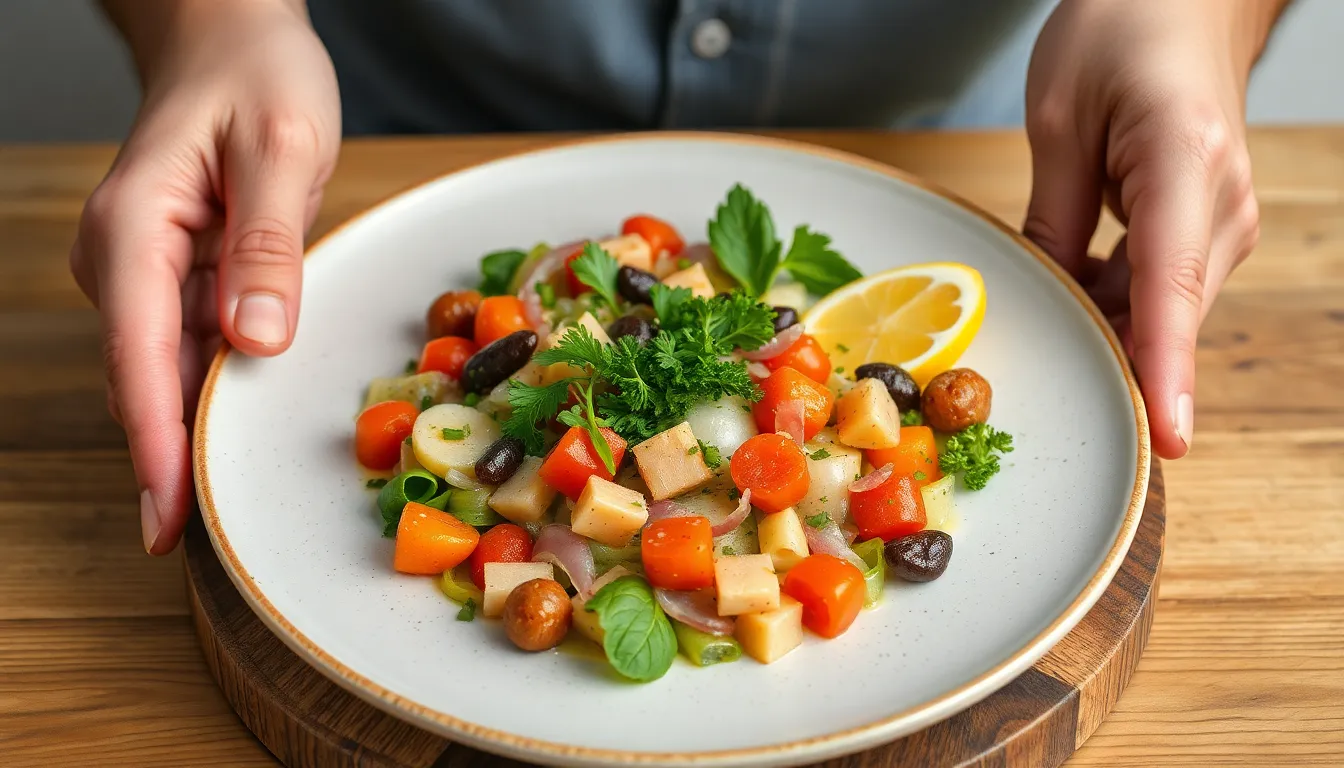
In the world of culinary arts, the importance of food presentation cannot be overstated, particularly in the realm of raw cuisine. As we embrace the health benefits of eating unprocessed, fresh ingredients, it’s essential to also appreciate the beauty they bring to our plates. In this digital age, the rise of platforms like Instagram has transformed food aesthetics into an art form, fueling trends that emphasize not just flavor but the visual appeal of our meals. This blog post is your guide to mastering the art of raw food plating, ensuring your dishes are as stunning as they are delicious.
1. The Philosophy of Raw Food Plating: Beyond Taste
1.1 Embracing Nature’s Palette
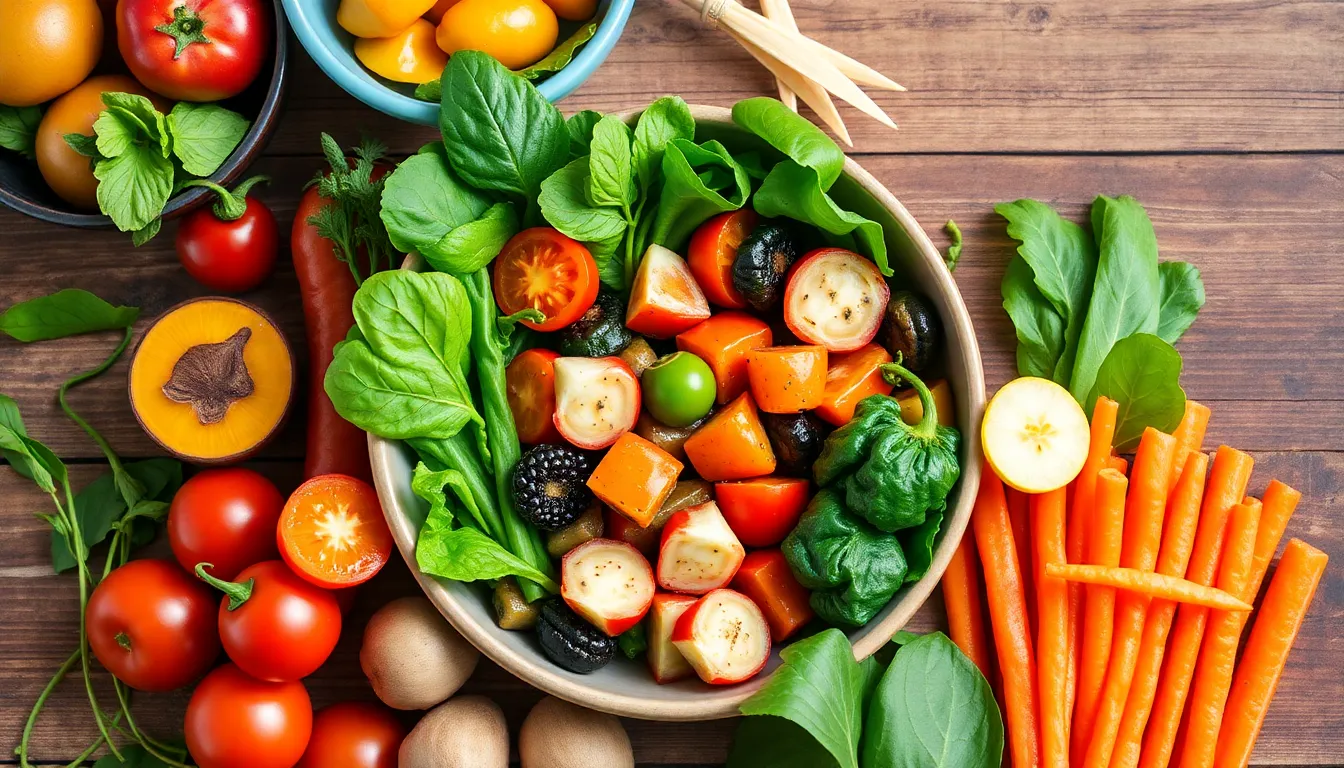
Raw ingredients come alive with vibrant colors that not only excite the palate but also captivate the eyes. When plating, consider the visual impact of each ingredient. Here are some tips for selecting ingredients based on color harmony:
- Choose a variety of colors: Incorporate greens (spinach, kale), reds (beets, tomatoes), yellows (bell peppers, corn), and purples (eggplant, purple carrots).
- Use a color wheel to find complementary colors that can enhance each other. For example, pair greens with purples or reds with yellows.
- Think about the overall mood: Bright colors can energize, while softer tones can create a calming effect.
1.2 The Balance of Textures
Aesthetics in food are not solely based on color; texture plays an equally important role. A well-plated raw dish should showcase a balance of textures:
- Crispy: Add elements like cucumber slices or radishes for crunch.
- Creamy: Include avocado or nut-based spreads to create richness.
- Chewy: Consider incorporating dried fruits or sprouted legumes for a delightful chewiness.
2. Essential Tools for the Perfect Plate
2.1 Must-Have Plating Equipment
Investing in the right tools can elevate your plating game significantly. Here’s a list of essential plating equipment:
| Tool | Purpose |
|---|---|
| Tweezers | For precise placement of delicate ingredients. |
| Squeeze Bottles | For artistic drizzles of sauces or oils. |
| Ring Molds | To create structured layers of ingredients. |
| Offset Spatula | For smooth spreading of purees or dips. |
| Microplane | For finely grating citrus zest or hard cheeses. |
2.2 Creating Your Plating Station
A well-organized plating station can inspire your creativity and efficiency. Follow these steps to set up your area:
- Find a clean, spacious countertop or table.
- Gather your ingredients and tools, keeping them within easy reach.
- Use an apron or a designated cloth to maintain cleanliness.
- Consider natural light for optimal photography, positioning your station near a window.
3. Techniques to Elevate Your Plating Game
3.1 Layering: The Art of Dimension
Layering is crucial for creating visual depth in your raw dishes. By stacking ingredients thoughtfully, you can transform a simple salad into a multi-dimensional feast. Here’s how to master the art of layering:
- Start with a base: Use greens or a puree as your foundation.
- Layer your ingredients by color and texture, alternating between crunchy and creamy elements.
- Finish with a garnish on top to draw the eye upward.
Example recipes that showcase layering effectively include:
- Rainbow Raw Veggie Stack
- Avocado and Mango Tartare
- Layered Zucchini Noodle Salad
3.2 The Power of Garnishes
Garnishes can elevate your dish from ordinary to extraordinary. Utilize herbs, edible flowers, and microgreens to add color and flair. Here are some creative ideas:
- Sprinkle fresh herbs like cilantro or basil for a pop of green.
- Use edible flowers like nasturtiums or pansies for a vibrant touch.
- Incorporate microgreens for added texture and nutrition.
3.3 Symmetry vs. Asymmetry: Finding Your Style
When it comes to plating, you can choose between symmetrical and asymmetrical designs. Both have their merits:
- Symmetrical: Creates a sense of order and balance; ideal for formal occasions.
- Asymmetrical: Offers a more casual and artistic appeal; great for showcasing creativity.
When deciding on a style, consider the dish’s nature, the occasion, and your personal aesthetic.
4. Color Coordination: A Feast for the Eyes
4.1 The Color Wheel and Food
The color wheel is a valuable tool in food plating, helping you select harmonious color combinations. Here’s a quick chart of complementary and contrasting color pairings for raw ingredients:
| Color | Complementary Pairing |
|---|---|
| Red | Green (Tomatoes & Avocado) |
| Yellow | Purple (Corn & Purple Carrots) |
| Orange | Blue (Carrots & Blueberries) |
| Green | Pink (Cucumber & Radish) |
4.2 Seasonal Inspirations
Leveraging seasonal produce not only enhances flavor but also enriches your color palette. For example, a summer raw dish might feature:
- Fresh tomatoes, basil, and zucchini in a vibrant salad.
- Juicy melons and berries for a refreshing fruit bowl.
Using seasonal ingredients allows you to create dishes that are not just visually appealing but also reflective of nature’s cycles.
5. Serving Styles: From Plates to Bowls
5.1 The Choice of Vessel
The vessel you choose for serving has a significant impact on presentation. Consider the following:
- Plates: Ideal for showcasing layered dishes or artfully arranged components.
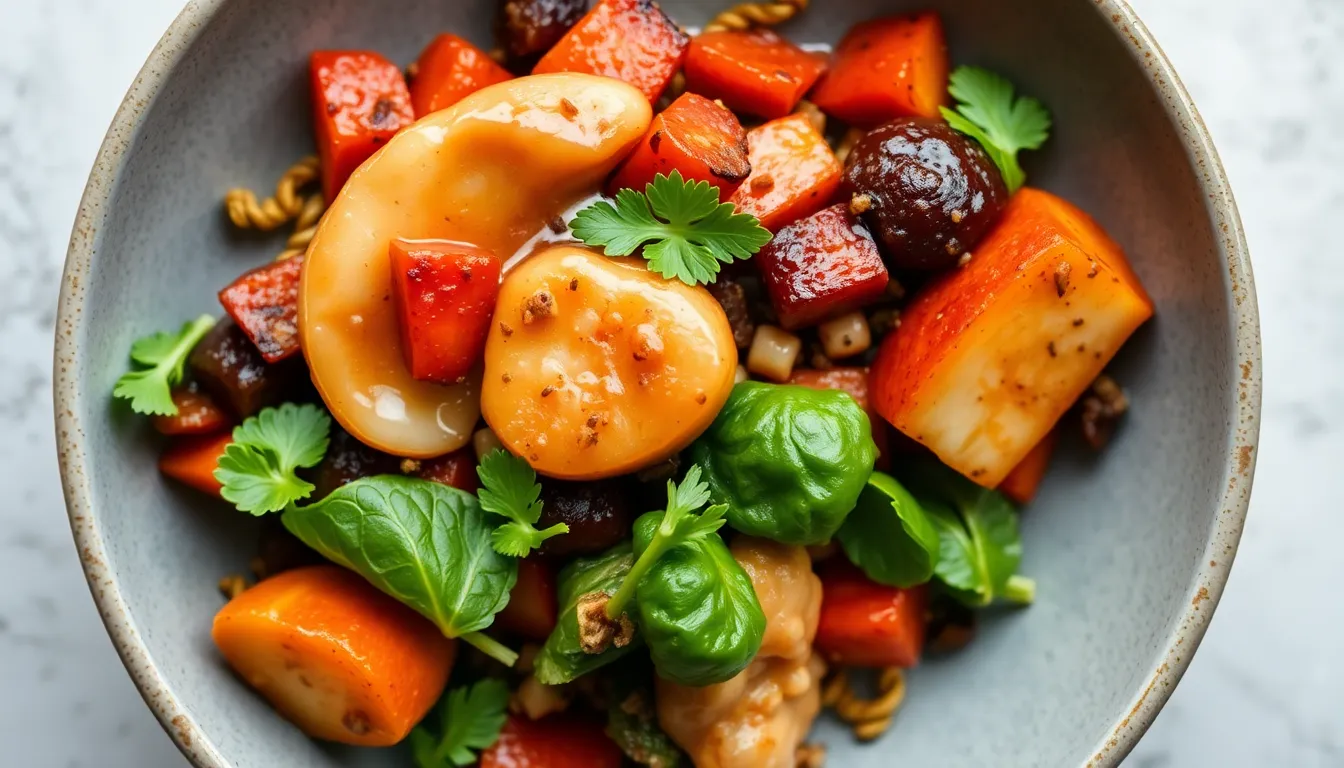
- Bowls: Perfect for salads or soups, allowing for variation in height.
- Boards: Wooden or slate boards can create a rustic, communal feel for sharing.
5.2 Creative Plating Styles
Experimenting with different plating styles can bring an exciting twist to your raw dishes. Popular styles include:
- Stacked: Ingredients are layered vertically, showcasing color and texture.
- Smear: Purees or sauces are artistically smeared across the plate.
- Deconstructed: Elements are separated but thoughtfully arranged to highlight each component.
Choose a style that complements the dish and enhances the overall dining experience.
6. The Finishing Touch: Final Spritz and Snap
6.1 The Importance of Final Touches
Before serving, a light spritz of lemon juice or a drizzle of high-quality olive oil can enhance both flavor and appearance. Here are some tips for the final touches:
- Use a misting bottle for even application of liquid seasonings.
- Adjust the arrangement of components to ensure visual appeal just before serving.
- Consider adding a sprinkle of sea salt for a finishing touch.
6.2 Capturing the Perfect Shot
To immortalize your beautiful creations, follow these quick photography tips:
- Use natural light for the best illumination.
- Experiment with angles—top-down shots work well for bowls, while side views can showcase height.
- Keep the background simple to avoid distractions from the dish.