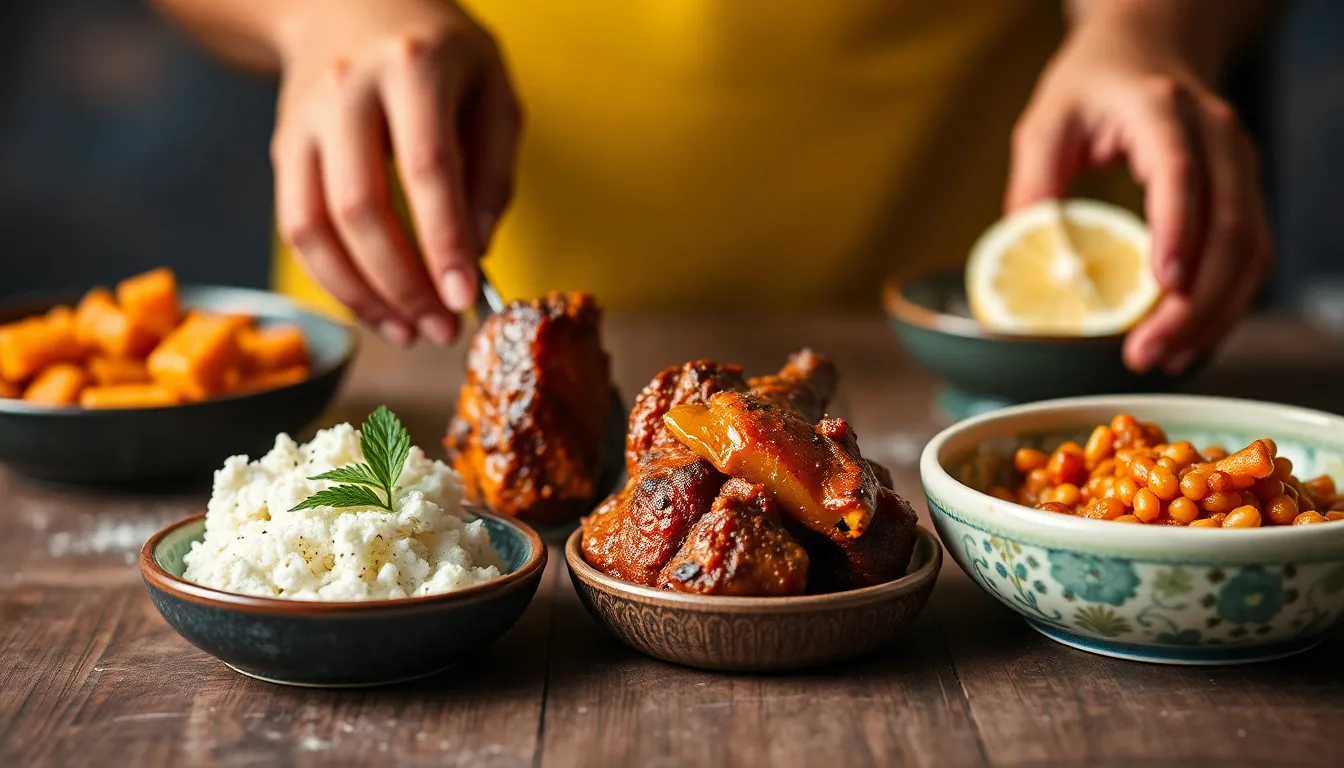
The Art of Caribbean Cooking: Secrets from the Islands Revealed!
I. Introduction: A Culinary Journey Through the Caribbean
Welcome to a vibrant world of flavors and aromas! The Caribbean is not just a destination; it’s a culinary paradise brimming with a rich heritage that is as diverse as its people. With influences from African, European, and Indigenous cultures, Caribbean cuisine reflects a unique blend of traditions, stories, and tastes.
This blog post invites you to explore the distinctive flavors and cooking techniques that define Caribbean cooking. Prepare to embark on a gastronomic adventure that will entice your palate and inspire your culinary creativity!
II. Essential Ingredients: The Heart of Caribbean Cuisine
At the core of any cuisine are its ingredients. Caribbean cooking celebrates a plethora of spices, fruits, and proteins that contribute to its signature flavors. Let’s dive into the essential elements that make up Caribbean cuisine.
A. Spices and Herbs: Nature’s Flavor Enhancers
Caribbean dishes are a symphony of spices that add depth and complexity. Here are some common spices:
- Allspice: A quintessential Caribbean spice, it imparts warmth and sweetness.
- Nutmeg: Adds a fragrant touch to both sweet and savory dishes.
- Thyme: An aromatic herb that enhances flavor in stews and meat dishes.
Fresh herbs are equally important—they not only elevate a dish’s flavor but also offer a burst of color and freshness.
B. Tropical Fruits: Nature’s Sweet Gifts
Caribbean cuisine boasts an array of tropical fruits that bring sweetness, acidity, and vibrant colors to dishes. Key fruits include:
- Mango: Juicy and fragrant, perfect for salsas and desserts.
- Coconut: Used in many forms (milk, oil, shredded) to impart richness.
- Guava: Offers a sweet-tart flavor, often used in sauces and jams.
C. Proteins: From Land and Sea
Whether it’s the catch of the day or succulent meats, proteins play a vital role in Caribbean meals. Common proteins include:
- Fish: Often grilled or stewed, fresh fish is a staple in many islands.
- Chicken: Marinated and grilled, chicken is versatile and flavorful.
- Pork: Known for its rich flavor, often used in traditional dishes like lechon.
Essential Caribbean Ingredients and Their Uses
| Ingredient | Flavor Profile | Common Dishes |
|---|---|---|
| Allspice | Warm, sweet, and slightly peppery | Jerk Chicken, Stews |
| Coconut | Rich, creamy, and slightly sweet | Coconut Rice, Curries |
| Mango | Sweet and tangy | Mango Salsa, Desserts |
| Thyme | Aromatic and earthy | Soups, Stews |
| Pigeon Peas | Earthy and nutty | Pigeon Peas and Rice |
III. Signature Cooking Techniques: Mastering the Craft
Understanding the techniques that bring Caribbean dishes to life is essential for any aspiring chef. Each method enhances the natural flavors of the ingredients.
A. Grilling: A Flavorful Tradition
Grilling is intrinsic to Caribbean cooking, imparting a smoky flavor that elevates meats and vegetables. Here are some techniques:
- Marinate your proteins to infuse flavors before grilling.
- Use charcoal for authentic smoky taste.
- Monitor cooking time to avoid overcooking, which can dry out the meat.
B. Stewing: Slow Cooking for Rich Depth
Stewing allows flavors to meld beautifully. Key aspects include:
- Marination: Let proteins rest in spices and herbs for several hours or overnight.
- Simmering: Cook on low heat to ensure tender meat and rich broth.
C. Frying: A Crispy Delight
Frying is a popular technique for achieving a delightful crunch. Tips for perfect frying include:
- Use a deep frying method to ensure even cooking.
- Maintain oil temperature to avoid soggy results.
- Experiment with local ingredients to create unique batters.
IV. Iconic Dishes: Must-Try Caribbean Recipes
The Caribbean is home to a multitude of iconic dishes. Here are some must-try recipes that reflect the regions’ vibrant culinary tapestry.
A. Jerk Chicken: The Spicy Sensation
Jerk chicken is perhaps the most famous Caribbean dish, known for its spicy marinade. The history of this dish can be traced back to the Maroons of Jamaica. Here’s how to prepare it:
- Prepare a marinade with allspice, thyme, garlic, and Scotch bonnet peppers.
- Coat the chicken well and let it marinate for at least 4 hours.
- Grill over pimento wood or charcoal for authentic flavor.
B. Rasta Pasta: A Colorful Fusion
This dish is a delightful fusion of Caribbean and Italian cuisine. Ingredients include:
- Fusilli or penne pasta
- Bell peppers, onions, and a splash of coconut milk
- Jerk seasoning for a spicy kick
Simply sauté the vegetables, add the cooked pasta, mix in the coconut milk and jerk seasoning, and enjoy!
C. Callaloo: A Nutrient-Packed Delight
Callaloo is a traditional dish made with leafy greens, often spinach or amaranth. Here’s how to prepare it:
- Sauté onions, garlic, and peppers in olive oil.
- Add chopped callaloo and let it cook until wilted.
- Season with salt and pepper, and enjoy as a side dish.
D. Pigeon Peas and Rice: A Cultural Staple
This dish is a staple in many Caribbean households. Cooking tips include:
- Use coconut milk for a rich flavor.
- Add thyme and scallions for an aromatic touch.
Serve it as a base for meats or enjoy it on its own!
V. The Role of Community: Cooking as a Social Experience
In the Caribbean, food is not just about sustenance; it’s about community and connection. Here’s how cooking fosters social bonds:
A. Family Gatherings and Festivities
Food plays a pivotal role in celebrations such as carnivals, weddings, and family gatherings. These events are often characterized by communal cooking, where families gather to prepare traditional dishes together, creating cherished memories.
B. Sharing Recipes: Keeping Traditions Alive
Sharing recipes within families helps preserve culinary traditions. Grandmothers often pass down their secret recipes, ensuring that each generation maintains a connection to its roots.
VI. Tips for Bringing Caribbean Flavors to Your Kitchen
Ready to infuse your kitchen with the flavors of the Caribbean? Here are some tips to get started!
A. Finding Authentic Ingredients
For the best results, sourcing authentic Caribbean ingredients is essential. Check local specialty grocery stores and international markets for:
- Spices like allspice and nutmeg
- Fresh tropical fruits
- Fish and other proteins specific to Caribbean cuisine
B. Adapting Recipes for Local Ingredients
If you can’t find specific ingredients, consider these substitutions:
- Use chicken thighs instead of traditional meats in stews.
- Substitute fresh herbs for dried ones (but use less).
C. Experimenting with Fusion Flavors
Don’t be afraid to add your twist to Caribbean recipes! Here are some fun ideas:
- Incorporate local vegetables into traditional dishes.
- Try different types of pasta in Caribbean-inspired dishes.
VII. Conclusion: Embracing the Spirit of Caribbean Cooking
Caribbean cooking is a celebration of flavor, culture, and community. By understanding the essential ingredients, techniques, and iconic dishes, you can bring a taste of the islands to your kitchen. Embrace this culinary journey and allow it to inspire your own cooking adventures.
We encourage you to explore, experiment, and share your Caribbean-inspired dishes with family and friends. Let the spirit of the Caribbean infuse your meals with joy and flavor!
VIII. Additional Resources
For those looking to dive deeper into Caribbean cooking, here are some recommended resources:
IX. Reader Engagement
We would love to hear your thoughts! Please share your experiences with Caribbean cooking in the comments below. What are your favorite dishes? Do you have any family recipes to share? Let’s keep the conversation going!