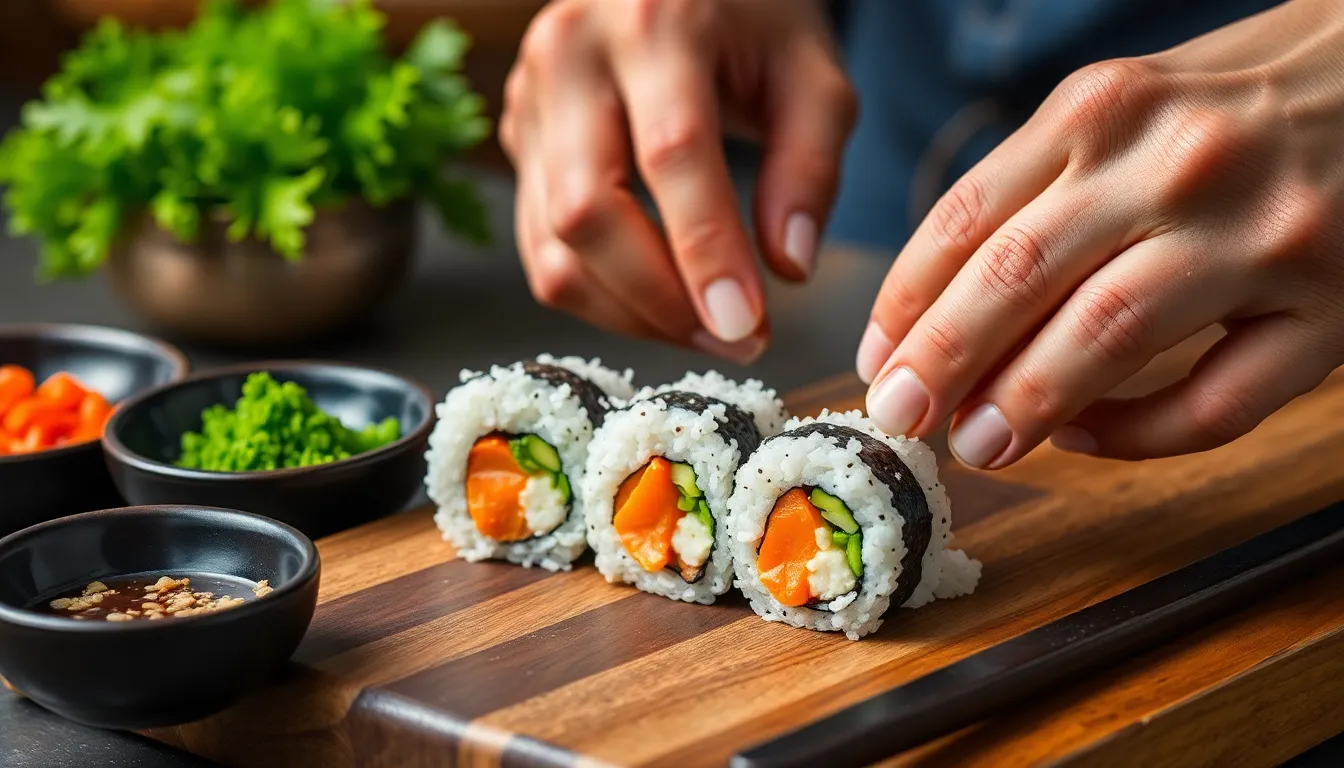
Sustainable Seafood: How to Make Eco-Friendly Choices in Your Kitchen
I. Introduction: The Ocean’s Bounty and Our Responsibility
Seafood has long been considered one of nature’s most delightful gifts, a treasure trove of flavors and nutritional benefits. The allure of seafood in our diets is undeniable; from the delicate taste of white fish to the robust flavor of shellfish, our culinary landscapes are rich with oceanic offerings. However, as we indulge in these delights, we must also confront a pressing issue: the sustainability of our seafood sources.
The importance of sustainability in seafood sourcing cannot be overstated. Overfishing, habitat destruction, and pollution are wreaking havoc on our oceans, threatening marine life and the delicate balance of ecosystems. As consumers, we hold the power to influence these outcomes with our choices. This article aims to empower you to make eco-friendly seafood choices that not only satisfy your palate but also protect our oceans for future generations.
II. Understanding Sustainable Seafood: What Does It Mean?
Sustainable seafood is defined as seafood that is caught or farmed in ways that consider the long-term vitality of the species and the well-being of the ocean ecosystem. Its significance lies in the fact that by choosing sustainable options, we can help preserve fish populations and their habitats.
Overfishing poses a severe threat to marine ecosystems, often leading to the depletion of key species and altering the balance of underwater communities. When certain fish populations dwindle, it can have a domino effect on other species, impacting everything from coral reefs to seabirds.
Aquaculture, or fish farming, plays a crucial role in sustainable seafood sourcing. While it can offer a more controlled environment for fish production, it also comes with its own set of challenges, such as the use of antibiotics and the potential for pollution. Understanding both wild-caught and farmed seafood options is vital for making informed choices.
III. The Seafood Watch Guide: Navigating Your Choices
One of the most valuable resources for making informed seafood choices is the Seafood Watch program, developed by the Monterey Bay Aquarium. This initiative helps consumers identify sustainable seafood options and raises awareness about overfishing and aquaculture practices.
Using the Seafood Watch app and resources is straightforward. Simply enter your location, and the app provides a list of recommended seafood choices, along with information on sustainability and sourcing methods.
| Seafood Choices | Sustainability Rating | Notes |
|---|---|---|
| Grilled Mahi-Mahi | Sustainable | Wild-caught from the Atlantic Ocean |
| Baked Cod | At-risk | Overfishing concerns in certain areas |
| Shrimp (Farmed) | Sustainable | Best options are from certified farms |
IV. Choosing the Right Seafood: Tips for Eco-Friendly Shopping
When shopping for seafood, knowing what to look for can make a significant difference. Here are some tips to ensure you’re making eco-friendly choices:
- Labels to look for: Seek out certified sustainable seafood labels, such as the Marine Stewardship Council (MSC) or the Aquaculture Stewardship Council (ASC).
- Seasonality and local sourcing: Choose seafood that is in season and sourced from local fisheries. This not only supports the environment but also helps local economies.
- Questions to ask: Don’t hesitate to inquire with your fishmonger or seafood counter staff about the source of the seafood. Ask about how it was caught or farmed, and if it is certified sustainable.
V. Cooking with Sustainable Seafood: Delicious Recipes to Try
Now that you know how to choose sustainable seafood, here are some delightful recipes to incorporate into your cooking repertoire:
A. Recipe 1: Grilled Mahi-Mahi with Mango Salsa
This vibrant dish brings the taste of the tropics to your table, highlighting the deliciousness of sustainable mahi-mahi.
- Ingredients:
- 4 mahi-mahi fillets
- 2 ripe mangoes, diced
- 1 red onion, finely chopped
- 1 jalapeño, deseeded and minced
- Juice of 2 limes
- Salt and pepper to taste
Instructions:
- Preheat the grill to medium-high heat.
- In a bowl, combine mangoes, red onion, jalapeño, lime juice, salt, and pepper to make the salsa.
- Season the mahi-mahi fillets with salt and pepper, then grill for about 4-5 minutes on each side until cooked through.
- Serve the grilled fish topped with mango salsa.
B. Recipe 2: Baked Cod with Herb Crust
This flaky and flavorful cod dish is simple to prepare and showcases the delicate taste of sustainable cod.
- Ingredients:
- 4 cod fillets
- 1 cup breadcrumbs
- 1/4 cup chopped fresh herbs (parsley, dill, and thyme)
- 1/4 cup grated Parmesan cheese
- 3 tablespoons olive oil
- Salt and pepper to taste
Instructions:
- Preheat the oven to 400°F (200°C).
- In a bowl, mix breadcrumbs, herbs, Parmesan cheese, olive oil, salt, and pepper.
- Place cod fillets on a baking sheet and top with the breadcrumb mixture.
- Bake for 15-20 minutes until the fish is opaque and flakes easily with a fork.
C. Recipe 3: Shrimp Stir-Fry with Seasonal Vegetables
This quick and colorful stir-fry highlights fresh, sustainable shrimp and whatever seasonal vegetables you have on hand.
- Ingredients:
- 1 pound sustainable shrimp, peeled and deveined
- 2 cups mixed seasonal vegetables (bell peppers, snap peas, carrots)
- 2 cloves garlic, minced
- 2 tablespoons soy sauce
- 2 tablespoons sesame oil
- Cooked rice or quinoa for serving
Instructions:
- Heat sesame oil in a large skillet over medium heat.
- Add garlic and sauté for 30 seconds until fragrant.
- Add shrimp and cook until pink, about 3-4 minutes.
- Add seasonal vegetables and soy sauce, stirring until vegetables are tender-crisp.
- Serve over rice or quinoa.
Tips for minimizing waste in seafood preparation:
- Use all parts of the seafood where possible, such as making stock from fish bones.
- Store leftovers properly to enjoy later and reduce waste.
- Be mindful of portion sizes to avoid over-purchasing.
VI. The Impact of Your Choices: Supporting Sustainable Fisheries
Your choices at the seafood counter extend far beyond your plate. How individual choices contribute to larger environmental goals is profound. Each sustainable seafood purchase sends a message to suppliers that consumers care about the health of our oceans.
Supporting local fisheries and sustainable aquaculture not only enhances the economy but also fosters community resilience. By choosing to buy from local sources, you help ensure that fishing practices remain sustainable and that the benefits of seafood consumption stay within your community.
Moreover, encouraging community awareness plays a vital role in expanding the reach of sustainable seafood practices. Educating friends and family about the importance of sustainability can create a ripple effect, inspiring others to make eco-friendly choices as well.
VII. Conclusion: Your Role in Protecting Our Oceans
In conclusion, the journey towards sustainable seafood begins with informed choices. We’ve explored the definition and significance of sustainable seafood, navigated resources like the Seafood Watch guide, and uncovered delicious recipes to try at home. By being mindful of our seafood selections, we can contribute to protecting our oceans.
As you step into your kitchen, remember that each meal is an opportunity to make a difference. Join the movement towards sustainability and make informed choices that will not only enhance your culinary experience but also safeguard marine ecosystems.
Call to action: Let’s commit to making eco-friendly choices in our kitchens and become advocates for sustainable seafood practices. Together, we can ensure that the ocean’s bounty remains a source of joy for generations to come.
VIII. Additional Resources and References
- Seafood Watch – A guide to sustainable seafood options.
- Book Recommendations:
- The Seafood Lover’s Cookbook by Janice Cole
- Cook Seafood Naturally: 75 Healthy, Delicious Recipes by Karen Barnaby
- Blogs and Forums: Stay engaged by following discussions on sustainable cooking at Spice Storyteller and other culinary forums.