Sautéed Eggplant: Tips for Perfect Texture and Flavor
Introduction
Eggplant, a beloved ingredient in many cuisines, is renowned for its versatility and ability to absorb flavors. Whether used in a rich ratatouille or a light stir-fry, its unique texture can elevate any dish. However, many home cooks face challenges when sautéing eggplant, often ending up with bitter or soggy results.
In this article, we will delve into the world of sautéed eggplant, exploring the various types available, how to prepare them, and the best techniques for cooking them to perfection. By the end of this guide, you will be equipped with the knowledge to make delicious sautéed eggplant every time.
Section 1: Understanding Eggplant Varieties
Eggplant comes in several varieties, each with its own unique flavor and texture. Understanding these differences can help you choose the best eggplant for your dish.
Eggplant Varieties
Here are some of the most common varieties of eggplant:
| Eggplant Variety | Skin Color | Flavor Profile | Best Uses |
|---|---|---|---|
| Globe | Deep purple | Mild, slightly bitter | Ratatouille, dips |
| Italian | Dark purple | Sweet, tender | Grilling, roasting |
| Japanese | Light purple | Sweet, creamy | Stir-fries, sushi |
| Chinese | Green/white | Mild, slightly sweet | Soups, braises |
Section 2: Preparing Eggplant for Sautéing
Preparation is key when it comes to sautéing eggplant. One of the most important steps is salting the eggplant, which helps to reduce bitterness and draw out excess moisture.
Salting Steps:
- Slice your eggplant into even rounds or cubes, depending on your recipe.
- Sprinkle a generous amount of salt over the slices or cubes.
- Let the eggplant sit for about 30 minutes. You will notice droplets of moisture forming on the surface.
- Rinse the eggplant under cold water to remove the salt.
- Pat the eggplant dry with paper towels to absorb any remaining moisture.
This process will help ensure that your sautéed eggplant has a pleasant texture and flavor.
Section 3: Choosing the Right Cooking Oil
The choice of oil can significantly impact the flavor and texture of your sautéed eggplant. Here are some popular options:
Cooking Oils Overview
- Olive Oil: A classic choice that adds a fruity flavor. Best for medium heat.
- Avocado Oil: Has a high smoke point and a mild flavor, making it ideal for sautéing at high temperatures.
- Sesame Oil: Offers a nutty aroma and is perfect for Asian-inspired dishes. Use sparingly due to its strong flavor.
When sautéing eggplant, a good rule of thumb is to use about 2 tablespoons of oil for every medium-sized eggplant.
Section 4: The Sautéing Technique
Getting the sautéing process right is crucial for achieving the perfect eggplant texture. Follow these steps:
Optimal Heat Settings:
Start with medium-high heat for the best results. This allows the eggplant to cook evenly without becoming mushy.
Sautéing Method:
- Preheat your pan for a couple of minutes before adding any oil.
- Add your chosen oil and let it heat until it shimmers.
- Cook the eggplant in batches rather than overcrowding the pan. This ensures even cooking.
- Use a spatula or wooden spoon to stir occasionally, allowing each piece to brown evenly.
Remember, patience is key! Cook until the eggplant is golden brown and tender, which usually takes about 5-7 minutes per batch.
Section 5: Enhancing Flavor
While sautéed eggplant is delicious on its own, you can elevate its flavor with the right seasonings and finishing touches.
Recommended Seasonings:
- Garlic: Adds depth of flavor; consider adding minced garlic during the last minute of cooking.
- Herbs: Fresh basil, oregano, or thyme complement the eggplant beautifully.
- Chili Flakes: For those who enjoy a bit of heat, sprinkle some chili flakes during cooking.
Marinades and Infusions:
Consider marinating eggplant before cooking for an added layer of flavor. A simple marinade of olive oil, balsamic vinegar, and herbs works wonders.
Finishing Touches:
- A squeeze of lemon juice right before serving adds brightness.
- Drizzling balsamic vinegar can enhance sweetness and depth.
Section 6: Serving Suggestions
Sautéed eggplant is incredibly versatile and can be paired with a variety of dishes.
Pairing Ideas:
- Salads: Toss sautéed eggplant with mixed greens, cherry tomatoes, and feta cheese for a refreshing salad.
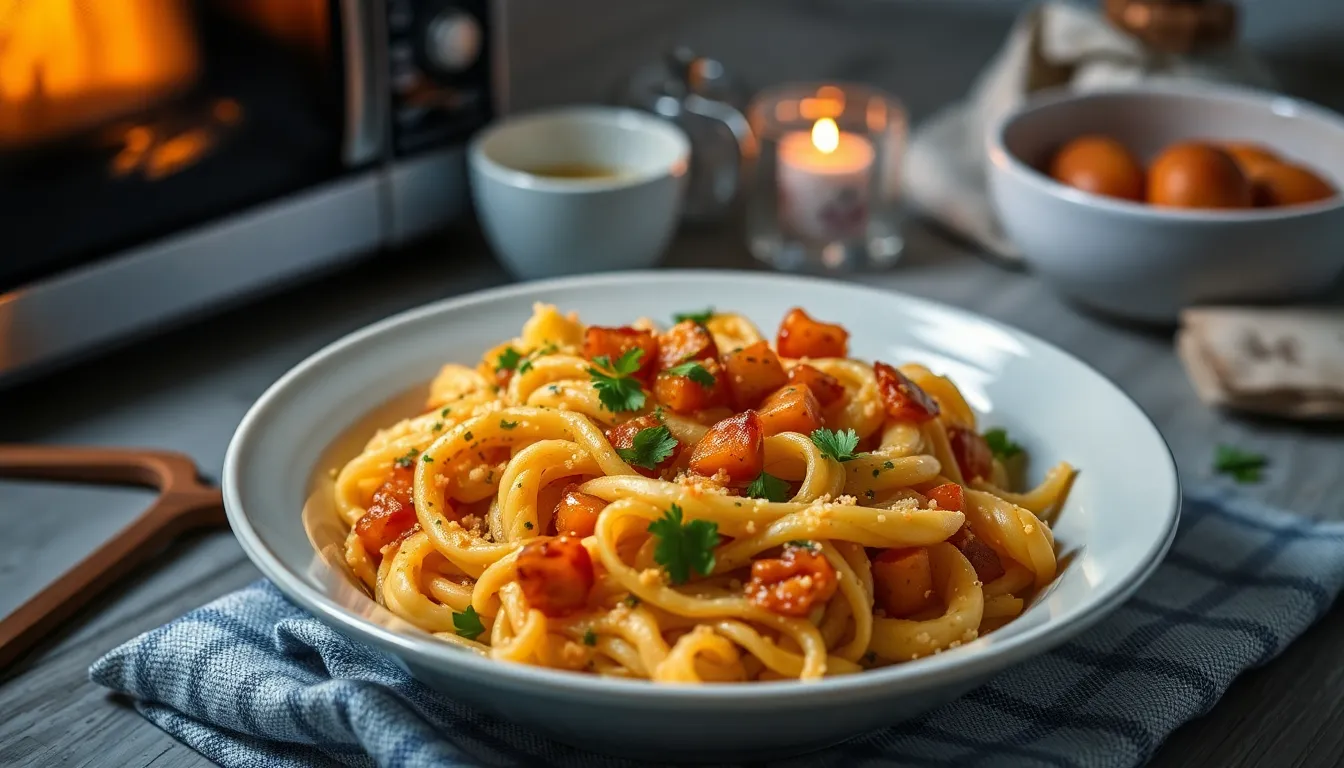
- Pastas: Mix sautéed eggplant with pasta, olive oil, and your choice of protein for a hearty meal.
- Sandwiches: Layer sautéed eggplant with hummus or pesto on crusty bread for a delicious vegetarian sandwich.
Conclusion
In conclusion, sautéed eggplant can be a delightful addition to your culinary repertoire when prepared correctly. By understanding the different varieties, mastering the preparation and cooking techniques, and enhancing the flavor, you can transform this humble ingredient into a star dish.
Don’t shy away from experimenting with different eggplant varieties and flavor combinations. Share your own sautéed eggplant recipes or variations in the comments below!
Call to Action
For more tips, recipes, and cooking inspiration, be sure to subscribe to our blog and follow us on social media. Happy cooking!