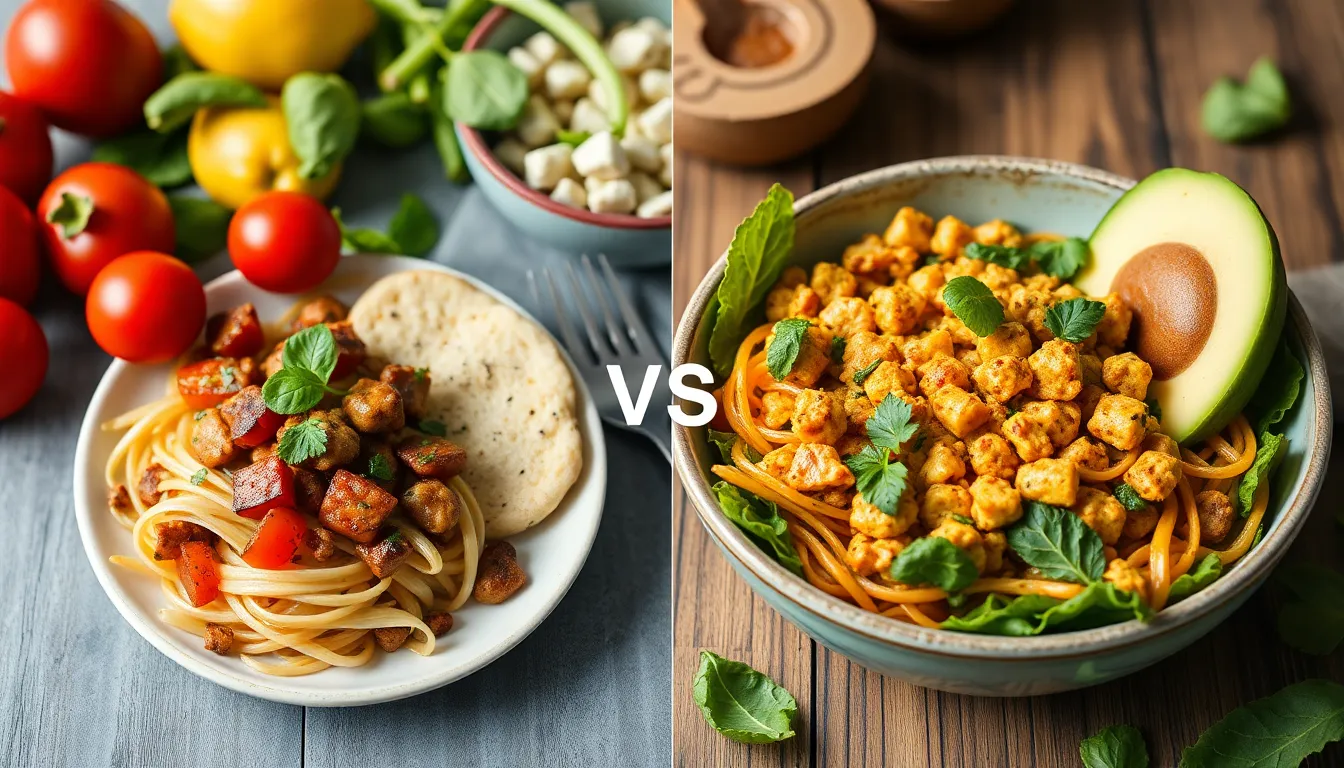
The Great Vegan Debate: Raw Vegan vs. Cooked Vegan
Veganism has seen a surge in popularity in recent years, as more people embrace plant-based lifestyles for health, ethical, and environmental reasons. However, within the vegan community, there lies a significant debate: should one consume raw foods or opt for cooked meals? In this article, we will dive deep into the two main camps—raw veganism and cooked veganism—to help you determine which diet aligns best with your lifestyle and health goals.
Understanding the Foundations
1.1 What is a Raw Vegan Diet?
A raw vegan diet consists of uncooked, unprocessed plant foods, focusing on fruits, vegetables, nuts, seeds, and sprouted grains. This diet emphasizes the consumption of foods at temperatures below 118°F (48°C), with the belief that cooking destroys vital nutrients and enzymes.
Common foods included in a raw vegan diet are:
- Fresh fruits and vegetables
- Nuts and seeds
- Sprouted grains and legumes
- Raw nut butters
- Cold-pressed oils
Potential health benefits associated with raw veganism include:
- High intake of vitamins and minerals
- Improved digestion due to enzyme consumption
- Weight loss and management
- Increased detoxification processes
1.2 Exploring the Cooked Vegan Diet
A cooked vegan diet includes all plant-based foods, both raw and cooked. This approach highlights the importance of cooking as a method to enhance digestibility and nutrient absorption, allowing individuals to enjoy a broader range of flavors and textures.
Common foods included in a cooked vegan diet are:
- Cooked vegetables (steamed, roasted, etc.)
- Whole grains (rice, quinoa, pasta)
- Legumes (beans, lentils, chickpeas)
- Vegetable broths
- Plant-based proteins (tofu, tempeh, seitan)
Potential health benefits associated with cooked veganism include:
- Improved nutrient bioavailability
- Enhanced flavors and textures in meals
- Greater variety in food choices
- Digestive ease with certain foods
Nutritional Breakdown
2.1 Nutrient Content: Raw vs. Cooked
| Nutrient | Raw Vegan Sources | Cooked Vegan Sources | Nutritional Benefits |
|---|---|---|---|
| Vitamins | Fruits, leafy greens | Cooked vegetables, fortified plant milks | Enhanced absorption of fat-soluble vitamins from cooked sources |
| Minerals | Nuts, seeds, leafy greens | Cooked legumes, grains | Improved availability of certain minerals through cooking |
| Proteins | Nuts, seeds, sprouted legumes | Tofu, tempeh, cooked grains | Variety of amino acids from diverse sources |
| Fiber | All raw fruits and vegetables | Cooked whole grains, legumes | Supports digestive health in both diets |
| Antioxidants | Berries, tomatoes (raw) | Cooked tomatoes (increased lycopene availability) | More antioxidants available in cooked tomatoes |
Cooking can significantly affect nutrient availability and absorption. While some nutrients may be diminished during cooking, others, like lycopene found in tomatoes, become more bioavailable after heat treatment. This complex interaction between raw and cooked foods is pivotal in determining a balanced diet.
2.2 The Protein Puzzle
Protein is an essential nutrient that plays a significant role in bodily functions, including muscle repair and immune response. Both raw and cooked vegan diets offer various protein sources, but the availability and quality may differ.
Common protein sources in both diets include:
- Raw Vegan: Nuts, seeds, sprouted legumes, hemp protein
- Cooked Vegan: Legumes, soy products (tofu, tempeh), quinoa, seitan
Addressing common misconceptions about protein in vegan diets:
- It is a myth that vegans cannot get enough protein. With careful planning, sufficient protein can be obtained from plant sources.
- Complete proteins can be achieved by combining different sources, such as rice and beans.
Health Benefits and Drawbacks
3.1 Advantages of Going Raw
Embracing a raw vegan diet comes with several advantages:
- Increased enzyme intake: Raw foods are packed with natural enzymes that assist in digestion.
- High vitamin and antioxidant levels: Raw fruits and vegetables are rich in vitamins, especially vitamin C and various antioxidants.
- Weight management: A raw diet is often lower in calories, which may contribute to weight loss.
- Detoxification: Many raw food enthusiasts believe that consuming raw foods helps detoxify the body.
3.2 Benefits of Cooking it Up
Cooking offers several health benefits that raw diets may lack:
- Enhanced digestibility: Cooking legumes and grains reduces antinutrients, making them easier to digest and absorb.
- Increased nutrient availability: Cooking can enhance the bioavailability of certain nutrients, such as beta-carotene in carrots and lycopene in tomatoes.
- Greater variety and flavor: Cooking opens up a world of culinary possibilities, adding diverse flavors and textures to meals.
3.3 Potential Downsides of Each Approach
Despite their benefits, each diet has potential downsides:
- Raw Vegan Risks: Nutrient deficiencies, particularly in vitamin B12, iron, and omega-3 fatty acids, can occur in strict raw diets.
- Cooked Vegan Risks: Cooking can lead to nutrient loss, particularly water-soluble vitamins like vitamin C and some B vitamins.
- Social and lifestyle considerations: Both diets may pose challenges in social settings or when dining out, as options may be limited.
Making the Choice: Which Diet Fits You?
4.1 Personal Health Goals and Preferences
When considering a raw or cooked vegan diet, self-assessment questions can guide your decision:
- What are your primary health goals? (e.g., weight loss, improved digestion)
- Do you have any digestive sensitivities or preferences?
- What is your lifestyle like? (e.g., busy schedule, social cooking)
- What values are most important to you regarding food? (e.g., ethical sourcing, sustainability)
4.2 Finding Balance: A Hybrid Approach
Many people find a hybrid approach works best, incorporating both raw and cooked foods into their diets. This balance allows for the nutritional benefits of both while providing a wider range of flavors and meal options. Here are some sample meal ideas that blend both diets:
- Breakfast: Smoothie bowl topped with fresh fruit, chia seeds, and a dollop of nut butter.
- Lunch: Mixed green salad with raw vegetables, sprinkled with roasted chickpeas.
- Dinner: Quinoa and vegetable stir-fry with lightly blanched broccoli and carrots.
- Snack: Raw energy balls made from dates, nuts, and cacao.
Conclusion: Your Vegan Journey Awaits
Throughout this exploration of raw and cooked vegan diets, we’ve discussed the foundations, nutritional content, health benefits and drawbacks, and practical considerations for choosing the right path for you. Remember, there is no one-size-fits-all solution, and it’s essential to experiment and listen to your body as you navigate your vegan journey.
Whether you choose to go raw, cooked, or a blend of both, the key is to make informed choices that suit your health goals and lifestyle. We invite you to share your personal experiences and preferences in the comments section below!
Join the Conversation!
If you enjoyed this article and wish to learn more about the exciting world of plant-based cooking, consider subscribing for more content! We’d love to hear your thoughts on raw vs. cooked vegan diets—connect with us on social media to join the discussion!