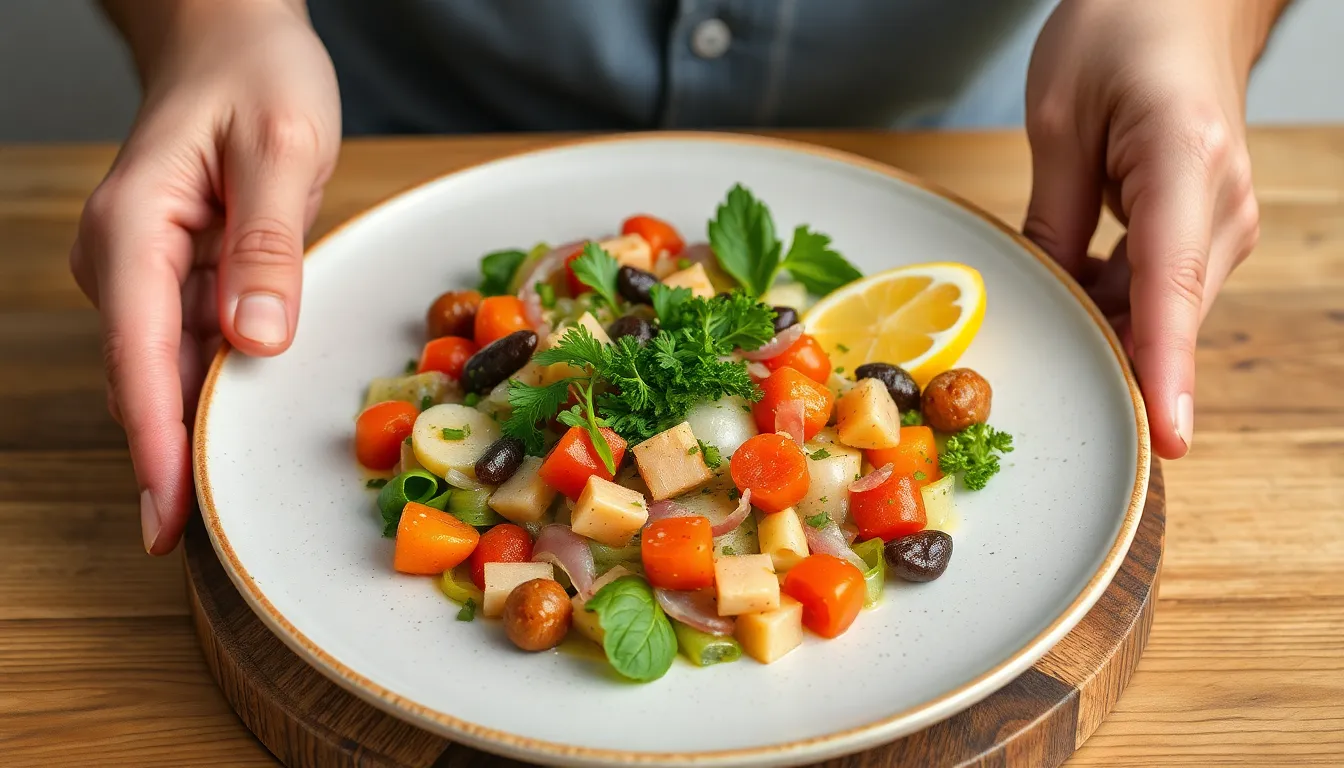
Raw Food Hacks: Tips for Storing and Preserving Fresh Ingredients
Introduction: Embracing the Raw Food Revolution
The raw food movement has been gaining momentum as health-conscious individuals seek to maximize the nutritional benefits of their meals. By consuming primarily uncooked, unprocessed, and often organic foods, enthusiasts aim to harness the natural flavors and health benefits that fresh ingredients offer. This blog post aims to provide you with innovative hacks for storing and preserving these fresh ingredients, ensuring that you not only enjoy their full flavor but also maintain their nutritional integrity.
Section 1: The Fundamentals of Fresh Ingredients
1.1 Understanding Freshness: What Makes Ingredients Go Bad?
Fresh ingredients are the backbone of a wholesome diet, but they are also perishable. Understanding the spoilage processes can help you identify what to look for in your produce. Spoilage occurs due to various factors, including microbial activity, enzymatic reactions, and physical damage. Here are some common signs of freshness and spoilage:
- Fruits: Look for vibrant colors, firm texture, and pleasant aroma. Spoiled fruits often have dark spots, wrinkled skin, or an off-putting smell.
- Vegetables: Fresh veggies should be crisp and vibrant. Signs of spoilage include limpness, discoloration, and slimy texture.
1.2 The Benefits of Raw Food Storage
Preserving raw ingredients not only helps maintain their nutritional profile but also reduces food waste—an often overlooked environmental issue. Here are some benefits of effective raw food storage:
- Nutritional Advantages: Preserved foods retain more vitamins and minerals compared to their cooked counterparts.
- Environmental Impact: Reducing food waste lowers greenhouse gas emissions and conserves resources used in food production.
Section 2: Hacks for Storing Fruits and Vegetables
2.1 The Perfect Produce Storage Techniques
Subsection: Temperature Matters
Storing fruits and vegetables at the right temperature is crucial for maintaining freshness. Below are the ideal storage temperatures for some common produce:
- Refrigerator (32°F to 40°F): Leafy greens, berries, grapes, and cucumbers.
- Room Temperature (60°F to 70°F): Bananas, tomatoes, avocados, and melons.
Subsection: Ethylene Gas Awareness
Certain fruits produce ethylene gas, which can accelerate the ripening of nearby produce. Understanding which fruits are ethylene producers and which are sensitive can help you store your produce effectively. Here’s a helpful table:
| Ethylene Producing Fruits | Ethylene Sensitive Fruits |
|---|---|
| Apples | Bananas |
| Pears | Strawberries |
| Peaches | Avocados |
| Tomatoes | Leafy Greens |
2.2 Creative Storage Solutions
In addition to temperature control, using innovative storage solutions can make a big difference in keeping your produce fresh. Here are some creative hacks:
- Mason Jars for Leafy Greens: Fill a mason jar with water and place leafy greens upright to maintain their crispness. Cover with a lid and store in the fridge.
- Breathable Bags for Fruits: Use mesh or paper bags that allow for airflow to keep fruits like apples and pears fresh longer.
- DIY Vegetable Crisper: Place a damp paper towel in a produce bag to retain moisture, keeping vegetables like carrots and celery fresh.
Section 3: Preserving Techniques for Raw Ingredients
3.1 Freezing Freshness: The Best Practices
Freezing is a great way to preserve the freshness of raw ingredients. Here’s how to do it effectively:
- Quick Freeze: For best results, spread out produce on a baking sheet and freeze. Once frozen, transfer to freezer bags. Ideal for berries and chopped vegetables.
- Blanching: Briefly boiling vegetables before freezing helps to preserve color, flavor, and texture. Recommended for broccoli, green beans, and carrots.
When freezing, use airtight containers or freezer bags to prevent freezer burn.
3.2 Fermentation Fun: A Flavorful Preservation Method
Fermentation not only preserves food but also enhances its flavor and health benefits. Here’s a simple guide to fermenting your vegetables:
- Choose your vegetables (cabbage, cucumbers, carrots).
- Prepare a saltwater brine (1 tablespoon of salt per cup of water).
- Submerge vegetables in brine in a clean glass jar, ensuring they are fully covered.
- Seal the jar loosely and let it sit at room temperature for several days, tasting until desired sourness is achieved.
- Store in the refrigerator once fermented.
3.3 Dehydration: Concentrating Flavors for Longer Storage
Dehydrating is another excellent preservation technique that concentrates flavors while extending shelf life. Here’s an overview:
- Oven vs. Dehydrator: While an oven can work, a dehydrator offers better temperature control and efficiency.
- Best Produce for Dehydration: Apples, tomatoes, peppers, and herbs are great candidates.
Section 4: Innovative Hacks for Herbs and Spices
4.1 Herb Storage Secrets
Fresh herbs can elevate any dish, but they often wilt quickly. Here are two effective methods to keep them fresh:
- Water Method: Trim the stems and place the herbs in a jar of water, covering them with a plastic bag. Store in the fridge.
- Air-Dry Method: Tie herbs in small bunches and hang upside down in a cool, dry place.
- Freezing in Olive Oil: Chop herbs and mix with olive oil, then freeze in ice cube trays for a flavorful cooking shortcut.
4.2 Spice Preservation: Keeping Your Pantry Vibrant
Spices can lose their potency over time if not stored properly. Here are best practices for spice preservation:
- Keep Away from Light: Store spices in a cool, dark place to maintain their flavor.
- Airtight Containers: Use glass jars with tight seals to prevent exposure to moisture.
Consider creating DIY spice blends to enhance your culinary creativity!
Section 5: The Art of Labeling and Organization
5.1 The Importance of Labeling Your Ingredients
Labeling is crucial in maintaining freshness and organization in your kitchen. Here’s why:
- Helps avoid confusion about expiration dates.
- Encourages you to use older ingredients first, minimizing waste.
Creative labeling ideas include using washi tape, chalkboard labels, or printable labels for a stylish touch.
5.2 Organizing Your Raw Food Storage
Creating a functional storage system is essential. Here are some tips:
- Clear Containers: Use transparent containers to easily identify contents.
- Group Similar Items: Keeping fruits, vegetables, herbs, and spices in designated areas helps streamline cooking processes.
Conclusion: Your Journey to Freshness Starts Now
You’ve now been equipped with an array of hacks for storing and preserving fresh ingredients. Embrace these techniques to enhance your raw food journey, ensuring that every meal bursts with flavor and nutrients. We encourage you to experiment with storing techniques and share your personal hacks in the comments below!
Call to Action: Join the Raw Food Community
If you enjoyed this post and want to learn more about raw food tips, be sure to follow our blog for the latest articles, recipes, and community events. Together, we can celebrate the beauty of fresh food!