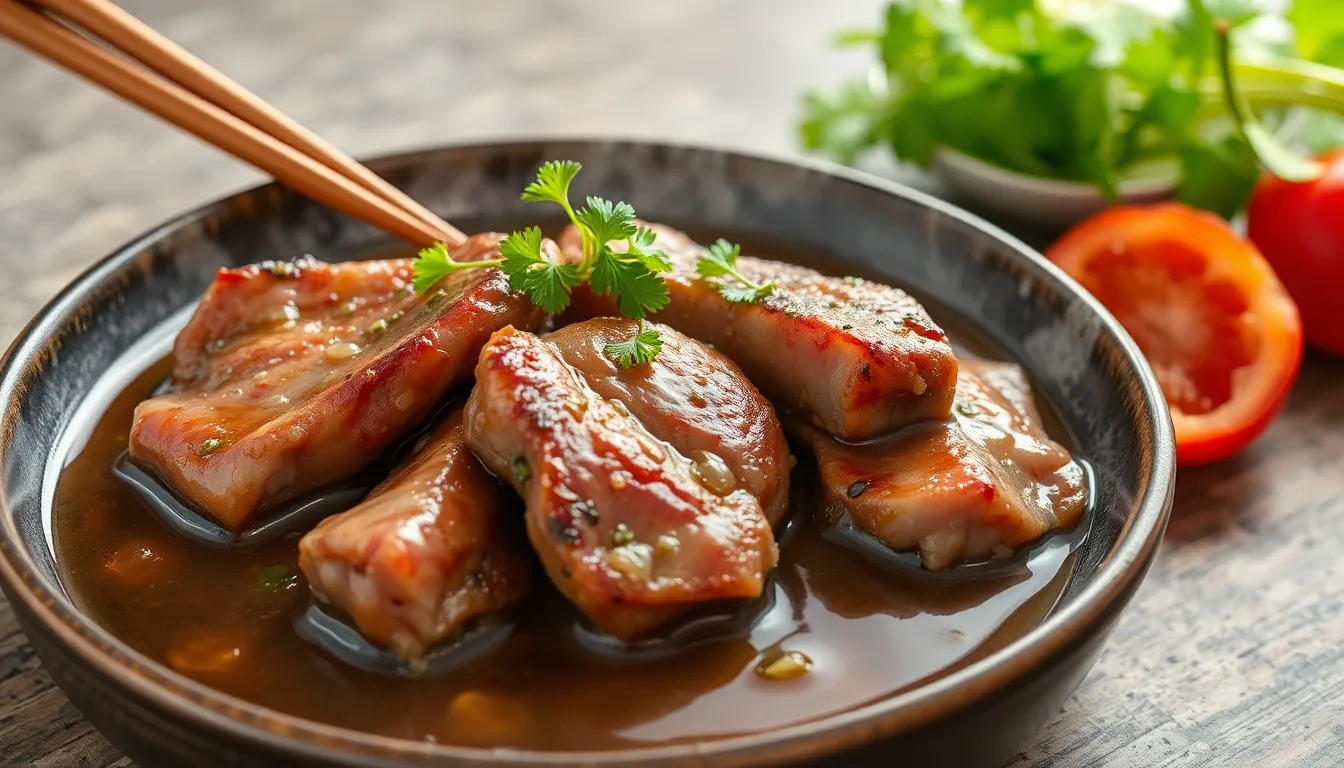
Poaching Techniques for Tender and Juicy Meat
Introduction
Poaching is a gentle cooking technique that involves submerging food in a simmering liquid. Unlike methods that involve high heat, poaching offers a delicate approach to cooking, making it an ideal way to prepare meats while preserving their moisture and natural flavors. This technique is not just about cooking; it’s about enhancing tenderness and creating delicious, healthful dishes.
In this article, we will explore the intricacies of poaching, including its benefits, the right equipment to use, the types of meats best suited for this method, and practical tips to achieve perfectly poached meat every time.
Section 1: What is Poaching?
Poaching is defined as cooking food gently in water or another liquid at relatively low temperatures, typically between 160°F (71°C) and 180°F (82°C). This method is different from boiling, where food is submerged in bubbling liquid, and steaming, which cooks food using vapor from boiling water. Poaching allows for a subtler cooking process, leading to more tender and flavorful meats.
Section 2: Benefits of Poaching Meat
- Retains moisture and nutrients: Poaching preserves the natural juices and nutrients in meat, preventing them from leaching out into the cooking liquid.
- Enhances flavor without added fats: The low-temperature cooking method creates succulent meats without the need for oils or fats, allowing the natural flavors to shine through.
- Healthier cooking option: Compared to frying or roasting, poaching is a low-calorie method, making it suitable for those aiming for a healthier diet.
Section 3: Essential Poaching Equipment
To ensure a successful poaching experience, a few essential tools and equipment are required:
- Poaching pan or deep skillet: A wide, shallow pan is ideal for even cooking.
- Thermometer: To monitor the temperature of the poaching liquid accurately.
- Slotted spoon: For easily removing the poached meat from the liquid.
Optional items that can enhance your poaching results include:
- Herbs and spices: Fresh herbs like thyme or bay leaves can infuse additional flavors.
- Poaching bags: These can simplify the process and make cleanup easier.
Section 4: Types of Meat Suitable for Poaching
Poaching is versatile and can be applied to various types of meat. Here are some popular choices:
- Poultry: Chicken and turkey are excellent candidates for poaching due to their lean nature.
- Fish and seafood: Delicate fish fillets and shellfish benefit from the gentle cooking method.
- Pork: Cuts like tenderloin can be successfully poached for a juicy result.
- Game meats: Venison and other game meats can also be poached for a tender finish.
HTML Table: Poachable Meats & Recommended Cooking Times
| Type of Meat | Recommended Cooking Time | Optimal Poaching Temperature (°F) |
|---|---|---|
| Chicken Breast | 15-20 minutes | 160-180 |
| Salmon Fillets | 10-15 minutes | 130-145 |
| Pork Tenderloin | 20-25 minutes | 145-160 |
| Duck Breast | 20-30 minutes | 160-180 |
Section 5: Poaching Liquids and Flavoring Agents
The choice of liquid is crucial to the flavor profile of the poached meat. Here are some common options:
- Water: The simplest choice, usually resulting in a more neutral flavor.
- Broth: Chicken, beef, or vegetable broth can infuse the meat with additional flavor.
- Wine: Adding wine not only enhances taste but can also lend a delightful aroma to the dish.
In addition to the liquid base, adding herbs, spices, and aromatics can enhance the poaching process:
- Herbs: Fresh herbs like dill, parsley, and basil work well.
- Spices: Whole spices such as peppercorns or coriander seeds can add depth to the flavor.
- Aromatics: Onions, garlic, or citrus slices can impart a unique taste profile.
For added flair, consider infusing flavors with fruits and vegetables. Apples, oranges, or even tomatoes can create a delightful balance when poaching meats.
Section 6: Step-by-Step Poaching Technique
Subsection 6.1: Preparing the Meat
Before poaching, it’s crucial to prepare the meat properly:
- Trimming: Remove excess fat and any unwanted skin from the meat to ensure even cooking.
- Seasoning: Lightly season the meat with salt and pepper to enhance the flavor during poaching.
Subsection 6.2: The Poaching Process
Follow these steps to poach meat effectively:
- Choosing the right poaching liquid: Decide on water, broth, or wine based on your flavor preference.
- Bringing the liquid to the correct temperature: Heat the liquid in your poaching pan until it reaches the desired temperature.
- Adding the meat to the liquid: Gently place the meat in the simmering liquid, ensuring it is fully submerged.
- Maintaining temperature and timing: Keep an eye on the temperature and maintain it within the optimal range, adjusting the heat if necessary.
- Testing for doneness: Use a thermometer to check that the meat has reached the appropriate internal temperature.
Section 7: Tips for Perfectly Poached Meat
- Avoiding common mistakes: Ensure the liquid does not boil; a gentle simmer is key to preventing tough meat.
- How to tell when meat is perfectly poached: The meat should be opaque and firm to the touch, indicating it is cooked through.
- Resting the meat after poaching: Allow the meat to rest for a few minutes before slicing to retain moisture.
Conclusion
Poaching is a fantastic cooking technique that can elevate your culinary skills while providing a healthier way to prepare meats. By mastering the art of poaching, you can create tender, juicy, and flavorful dishes that are sure to impress your family and friends. Explore different meats, liquids, and flavoring agents to find your favorite combinations, and enjoy the process of slow, gentle cooking. Happy poaching!