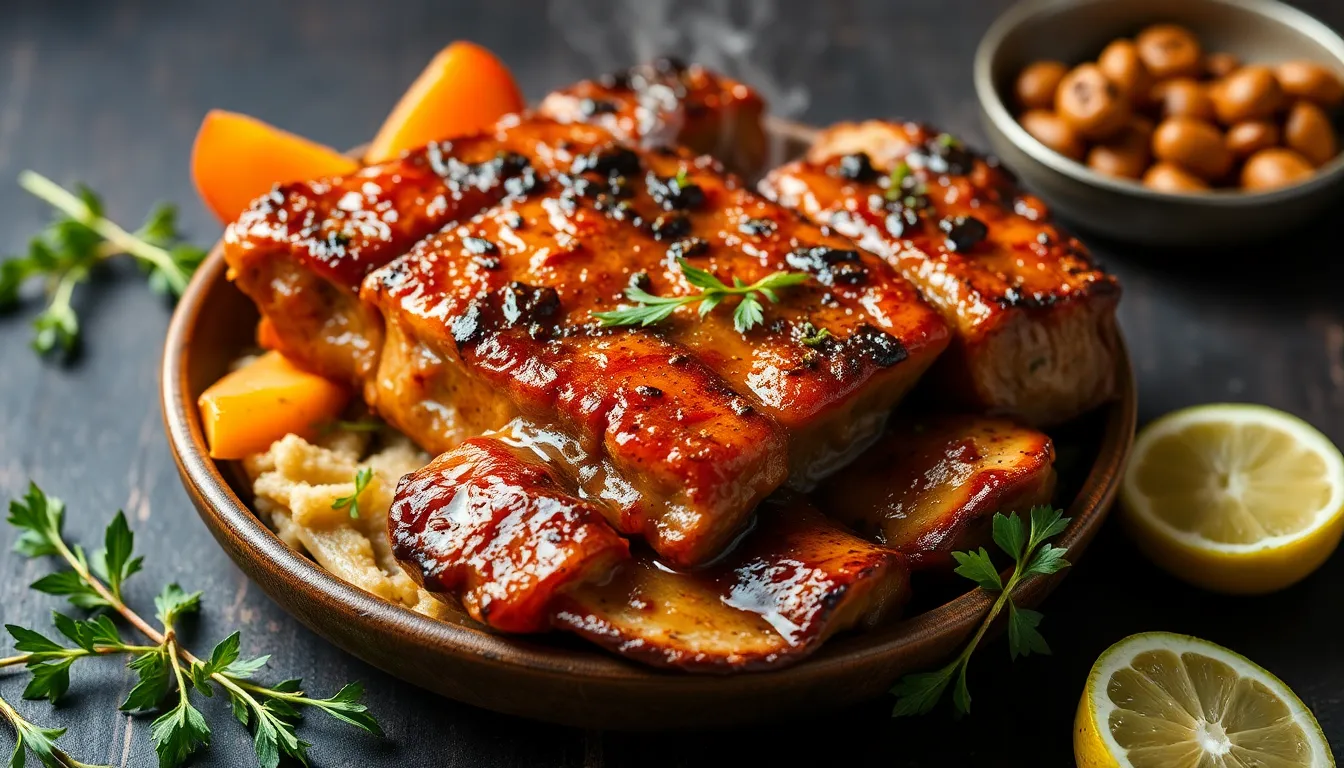
Mastering Marinades: How to Use Oils to Enhance Your Meats and Veggies
Introduction: The Art of Marinades
In the world of culinary arts, marinades hold a special place, transforming the ordinary into the extraordinary. Whether you’re grilling up a succulent steak or roasting a vibrant medley of vegetables, the right marinade can elevate your dish, infusing it with flavor and tenderness. At the heart of most marinades lies oil—a crucial component that not only enhances flavor but also improves texture. As we delve deeper into the art of marinades, you’ll discover how mastering this technique can make a world of difference to your cooking adventures.
Section 1: Understanding Marinades – The Science Behind the Flavor
1.1 What is a Marinade?
A marinade is a seasoned liquid used to soak food before cooking, with the purpose of flavor enhancement and tenderization. The duration of marination can vary, but the key is to allow enough time for the flavors to penetrate the meat or veggies. Traditionally, marinades consist of an acid, oil, and various herbs and spices.
1.2 The Role of Oil in Marinades
Oil serves multiple purposes in marinades. It acts as a carrier for flavors, helps to coat the food evenly, and can also create a barrier that reduces moisture loss during cooking. Different oils contribute unique flavors and characteristics. Here are some commonly used oils:
- Olive Oil: Rich and fruity, perfect for Mediterranean dishes.
- Sesame Oil: Nutty and aromatic, ideal for Asian-inspired marinades.
- Coconut Oil: Sweet and tropical, works wonderfully with fish and shrimp.
- Avocado Oil: Mild and buttery, great for high-heat cooking.
Section 2: Crafting Your Perfect Marinade
2.1 The Essential Components of a Marinade
A well-balanced marinade typically consists of three essential components: oil, acid, and seasonings. Here’s a closer look:
- Oil: Provides moisture and facilitates flavor absorption.
- Acid: Ingredients like vinegar, citrus juice, or yogurt help tenderize the food and add brightness.
- Seasonings: Herbs, spices, garlic, and other flavor enhancers bring your marinade to life.
2.2 Flavor Pairing: Matching Oils with Ingredients
Choosing the right oil can make a significant difference in flavor. Below is a table showcasing different oils alongside the best matches for meats and vegetables:
| Oil Type | Best for Meats | Best for Veggies |
|---|---|---|
| Olive Oil | Chicken, Lamb | Bell Peppers, Zucchini |
| Sesame Oil | Beef, Pork | Broccoli, Carrots |
| Coconut Oil | Fish, Shrimp | Cauliflower, Sweet Potatoes |
| Avocado Oil | Turkey, Duck | Asparagus, Brussels Sprouts |
Section 3: Marinade Techniques – Getting the Most Out of Your Ingredients
3.1 Marinating Times: The Dos and Don’ts
Understanding how long to marinate different types of meats and vegetables is crucial. Here’s a quick guide:
- Chicken: 30 minutes to 2 hours
- Beef: 1 to 24 hours depending on cut
- Pork: 1 to 8 hours
- Fish: 15 to 30 minutes
- Vegetables: 30 minutes to 2 hours
Remember, marinating for too long can lead to a mushy texture, especially for fish and soft vegetables.
3.2 Techniques for Applying Marinades
There are various methods to apply marinades effectively:
- Soaking: Submerge your food in the marinade for even absorption.
- Brushing: Apply the marinade with a brush for a lighter coating.
- Injecting: Use a marinade injector to ensure deep flavor infusion, especially for larger cuts of meat.
Section 4: Recipes to Get You Started
4.1 Flavor-Packed Marinade Recipes
Here are some easy-to-follow marinade recipes using various oils:
Garlic Herb Olive Oil Marinade
Ingredients:
- 1/2 cup olive oil
- 4 cloves garlic, minced
- 2 tablespoons fresh rosemary, chopped
- 1 tablespoon lemon juice
- Salt and pepper to taste
Instructions:
- Whisk all ingredients together in a bowl.
- Marinate chicken or veggies for at least 1 hour before cooking.
Sesame Soy Marinade
Ingredients:
- 1/4 cup sesame oil
- 1/4 cup soy sauce
- 2 tablespoons rice vinegar
- 1 tablespoon honey
- 1 teaspoon grated ginger
Instructions:
- Combine all ingredients in a bowl and mix well.
- Marinate beef or pork for 1 to 4 hours.
4.2 Suggested Pairings: Meats and Veggies to Try
Explore delicious combinations for grilling, roasting, and sautéing:
- Grilled Chicken: Pair with garlic herb olive oil marinade and serve with grilled zucchini.
- Roasted Salmon: Use coconut oil marinade and accompany with roasted cauliflower.
- Stir-Fried Beef: Try sesame soy marinade and add broccoli and carrots for a quick dish.
Section 5: Tips and Tricks for Marinade Mastery
5.1 Common Marinade Mistakes to Avoid
Preventing common mistakes can enhance your marinating success:
- Over-marinating can lead to a mushy texture, especially in fish.
- Neglecting to balance flavors can result in an overpowering or bland marinade.
- Not using enough marinade can limit flavor absorption.
5.2 Storage and Safety: How to Handle Marinades Properly
Here are some essential tips for storing and handling marinades:
- Always marinate in the refrigerator to prevent bacterial growth.
- Never reuse marinades that have been in contact with raw meat unless they are cooked first.
- Store leftover marinades in airtight containers in the refrigerator for up to one week.
Conclusion: Unlocking the Potential of Marinades
Mastering marinades is a culinary skill that opens up endless possibilities in the kitchen. By understanding the science behind marinades, crafting your own unique blends, and employing effective techniques, you can elevate your cooking and impress your guests with flavorful, tender dishes. So, grab your favorite oils, experiment with different flavors, and discover the magic of marinating. Your culinary journey starts now!