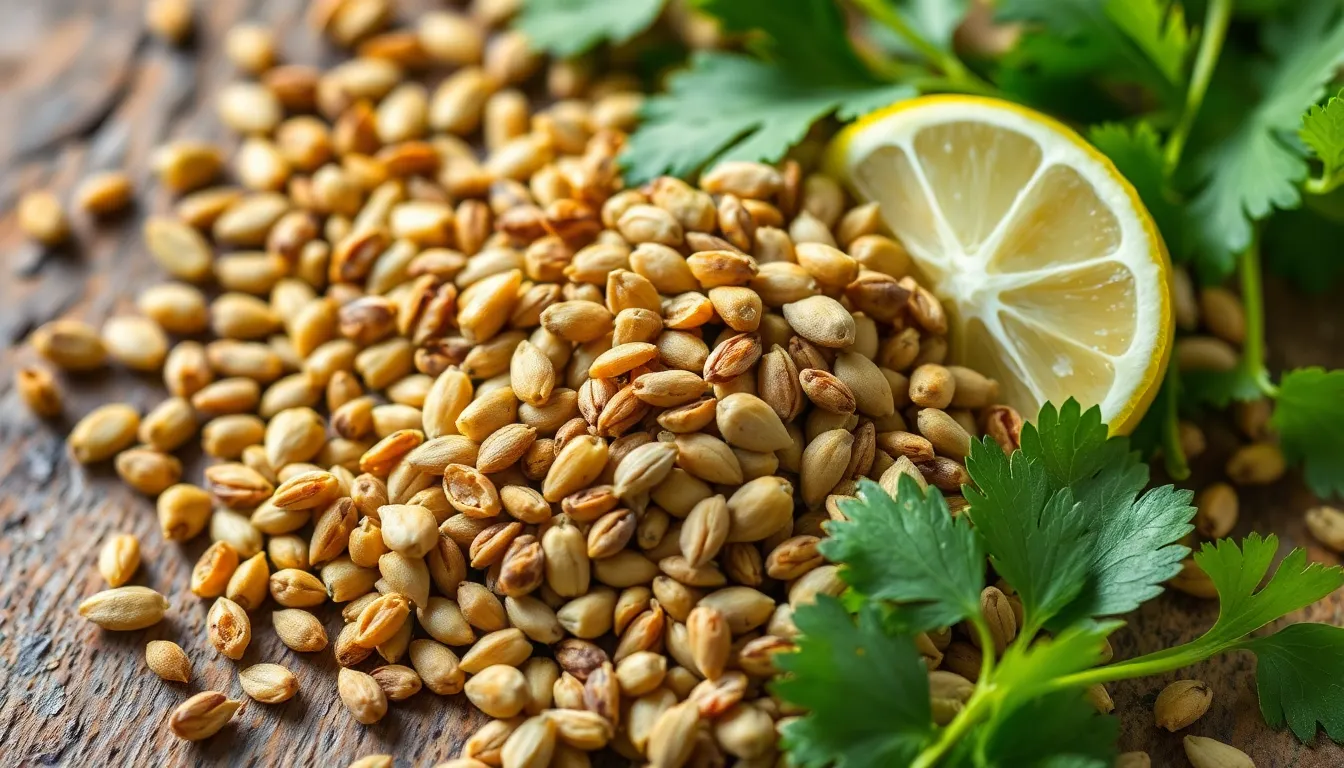
How to Use Seeds in Homemade Sauces and Dressings
Introduction
In the world of culinary delights, sauces and dressings play a pivotal role in transforming mundane dishes into flavorful experiences. They are not merely accompaniments; they are the soul of a dish, enhancing flavors, adding textures, and providing that much-needed zing that tantalizes the taste buds. One of the most versatile yet often overlooked ingredients in sauces and dressings is seeds. Seeds are not just for sprinkling on salads; they can be seamlessly integrated into various recipes, providing nutritional benefits and flavor enhancements.
This article will explore the myriad ways in which seeds can elevate your homemade sauces and dressings. From understanding the different types of seeds to preparing them and incorporating them into delectable recipes, you will uncover the true potential of seeds in your cooking. Furthermore, we’ll discuss the nutritional benefits of these tiny powerhouses, ensuring you not only enjoy their flavors but also their health benefits.
Section 1: Types of Seeds to Use
1.1 Common Seeds for Sauces and Dressings
- Flaxseeds
- Chia seeds
- Sesame seeds
- Pumpkin seeds
- Sunflower seeds
1.2 Nutritional Benefits of Each Seed
Each type of seed comes with its own unique set of nutritional benefits that can enhance your health while adding flavor to your dishes. Here’s a quick summary:
| Seed | Nutritional Benefits | Flavor Profile |
|---|---|---|
| Flaxseeds | High in Omega-3 fatty acids | Nutty |
| Chia seeds | Rich in fiber and antioxidants | Mild, slightly nutty |
| Sesame seeds | Good source of calcium and iron | Rich, earthy |
| Pumpkin seeds | High in magnesium and zinc | Buttery, nutty |
| Sunflower seeds | Packed with Vitamin E and selenium | Mild, slightly sweet |
Section 2: How to Prepare Seeds for Sauces and Dressings
2.1 Roasting Seeds
Roasting seeds brings out their natural oils, enhancing their flavor and adding a delightful crunch to your sauces and dressings. Here’s a simple guide on how to roast seeds:
- Preheat your oven to 350°F (175°C).
- Spread seeds evenly on a baking sheet.
- Roast for about 10-15 minutes, stirring halfway through.
- Keep an eye on them to prevent burning; they should turn golden brown.
- Remove from the oven and let them cool before using.
2.2 Grinding Seeds
Grinding seeds can release their essential oils, intensifying their flavor. You can use either a mortar and pestle or a spice grinder. Here’s when to grind:
- Grind: When you want a paste-like texture or for dressings that need a more intense flavor.
- Use whole: When you desire a crunchy texture or when adding to salads and grain dishes.
2.3 Soaking Seeds
Soaking seeds can improve their digestibility and enhance their flavors. Here are some recommended soaking times:
- Flaxseeds: 2-4 hours
- Chia seeds: 30 minutes to 2 hours
- Sesame seeds: 2-3 hours
- Pumpkin seeds: 2-8 hours
- Sunflower seeds: 2-3 hours
Section 3: Recipes for Sauces and Dressings with Seeds
3.1 Creamy Seed-Based Dressings
One of the best ways to incorporate seeds into your dressing is by creating a creamy base. Here’s a delightful recipe for Tahini Dressing:
Example Recipe: Tahini Dressing
- Ingredients:
- 1/2 cup tahini
- 1/4 cup lemon juice
- 1 garlic clove, minced
- 1/4 teaspoon salt
- 1/4 cup water (adjust for consistency)
- Optional: 1 tablespoon maple syrup for sweetness
- Preparation:
- In a mixing bowl, combine tahini, lemon juice, minced garlic, and salt.
- Whisk until smooth, adding water gradually to reach desired consistency.
- Taste and adjust flavors, adding maple syrup if desired.
- Serve immediately or store in the fridge for up to one week.
3.2 Vinaigrettes with Seeds
Vinaigrettes are incredibly versatile and can be made richer with the addition of seeds. Here’s a simple yet delicious recipe for Pumpkin Seed Vinaigrette:
Example Recipe: Pumpkin Seed Vinaigrette
- Ingredients:
- 1/4 cup roasted pumpkin seeds
- 1/2 cup olive oil
- 1/4 cup apple cider vinegar
- 1 tablespoon Dijon mustard
- Salt and pepper to taste
- Preparation:
- Blend the pumpkin seeds in a food processor until finely ground.
- Add olive oil, apple cider vinegar, Dijon mustard, salt, and pepper.
- Blend until smooth and creamy.
- Store in the refrigerator in a sealed container for up to two weeks.
3.3 Seed-Infused Sauces
Infusing sauces with seeds can create an explosion of flavor. Here’s a recipe for a Spicy Sesame Sauce that packs a punch:
Example Recipe: Spicy Sesame Sauce
- Ingredients:
- 1/4 cup sesame oil
- 2 tablespoons soy sauce
- 1 tablespoon rice vinegar
- 1 teaspoon chili garlic sauce
- 1 tablespoon toasted sesame seeds
- 1 teaspoon honey (optional)
- Preparation:
- In a bowl, combine sesame oil, soy sauce, rice vinegar, and chili garlic sauce.
- Add toasted sesame seeds and honey if desired.
- Whisk until well combined and serve over grilled chicken or vegetables.
- Store in the fridge for up to one week.
Section 4: Tips for Incorporating Seeds
4.1 Balancing Flavors
When using seeds in your sauces and dressings, balancing their nuttiness with other ingredients is crucial. Here are some tips:
- Pair nutty flavors with acidity (like lemon juice or vinegar) to brighten the dish.
- Use sweet elements (honey, maple syrup) to offset bitterness in seeds like flax and chia.
- Add herbs and spices (like garlic, cilantro, or cumin) to create depth of flavor.
4.2 Storage Tips
Proper storage of your homemade sauces and dressings is essential to maintain freshness:
- Store sauces in airtight containers to prevent oxidation.
- Refrigerate creamy dressings and use them within a week for optimal taste.
- Vinaigrettes can last longer—up to two weeks—when kept in the fridge.
4.3 Creative Pairings
Seeds can enhance a variety of dishes, and pairing them with the right foods can elevate your meals:
- Salads: Drizzle dressings over leafy greens, adding crunch with whole seeds.
- Grilled Meats: Use sauces as marinades or finishing glazes for a flavorful kick.
- Roasted Vegetables: Toss veggies with seed-based dressings before roasting for added flavor.
Conclusion
Seeds are not just for garnishing; they are a versatile ingredient that can enhance the flavors and nutritional value of your homemade sauces and dressings. Whether you’re crafting a creamy tahini dressing, a zesty vinaigrette, or a spicy sauce, seeds can be your secret weapon in the kitchen. Don’t be afraid to experiment with different seeds and recipes to find the perfect combination that suits your palate.
So, gather your seeds and get creative in the kitchen! The world of flavors awaits you. Happy cooking!