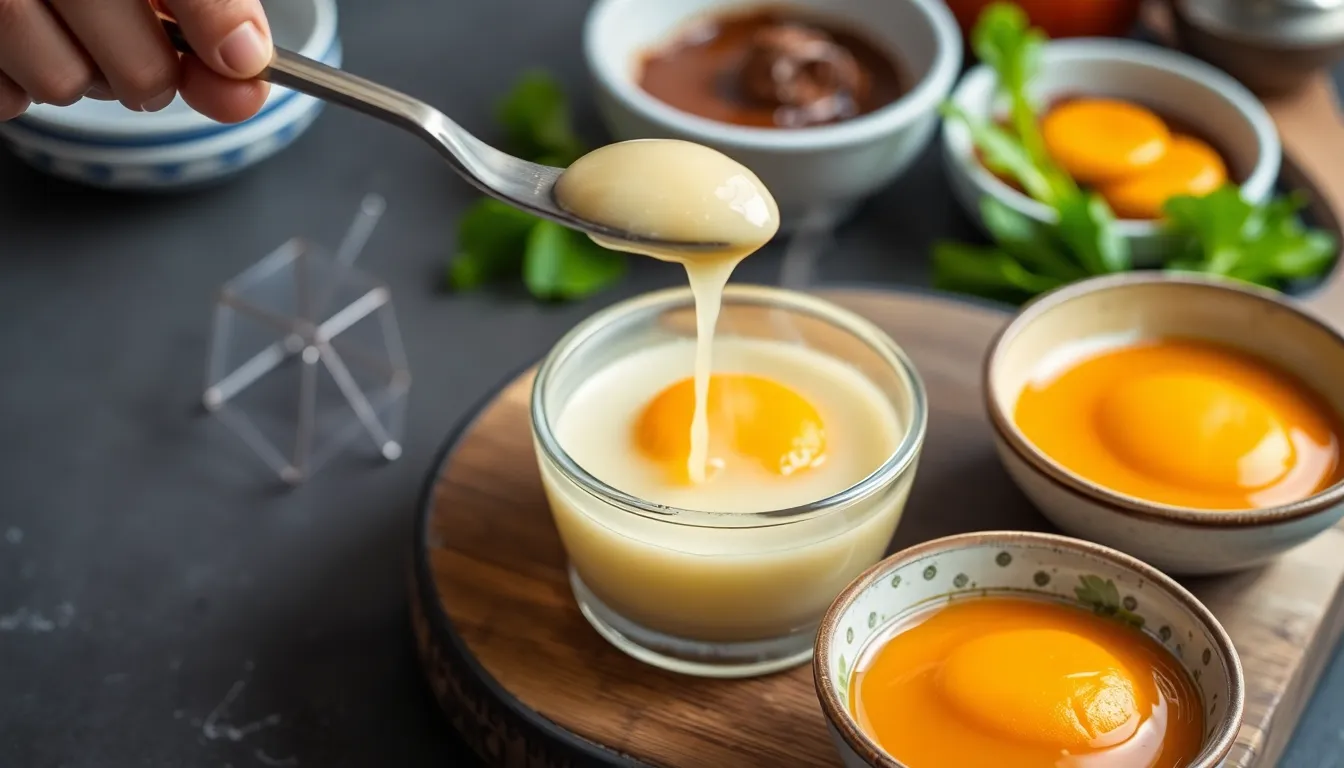
How to Poach Eggs in a Slow Cooker
Poached eggs are a culinary delight, prized for their tender whites and creamy yolks. They can elevate a simple meal to gourmet status. But while poaching eggs on the stovetop can be a challenge, using a slow cooker transforms this delicate technique into a simple and hassle-free process. In this article, we will delve into how to poach eggs in a slow cooker, providing you with a comprehensive step-by-step guide to achieve perfectly poached eggs every time.
Understanding Poached Eggs
What are Poached Eggs?
Poached eggs are eggs that have been cooked in simmering water, resulting in a tender white that envelops a runny yolk. Unlike boiled eggs, poached eggs are not cooked in their shells and do not have the hard outer layer that comes from boiling. The gentle cooking method of poaching allows the egg to maintain its shape while achieving a silky texture.
Why Use a Slow Cooker?
Using a slow cooker for poaching eggs comes with several advantages:
- Convenience: Set it and forget it! You can poach multiple eggs at once without constant supervision.
- Even Cooking: The slow cooker maintains a consistent temperature, ensuring that your eggs cook uniformly.
- Less Mess: There’s no need to deal with splattering water or a crowded stovetop.
Common Uses for Poached Eggs
Poached eggs can be a star ingredient in a variety of dishes, including:
- Eggs Benedict
- Salads (like a classic Caesar)
- Avocado toast
- Shakshuka
- Soups and ramen
Ingredients and Tools Needed
Ingredients
- Fresh eggs
- Water
- Optional: vinegar, salt, and pepper for seasoning
Tools
- Slow cooker
- Ramekins or small cups
- Slotted spoon
Ingredients and Tools
| Ingredients | Tools |
|---|---|
| Fresh eggs | Slow cooker |
| Water | Ramekins or small cups |
| Optional: vinegar, salt, and pepper | Slotted spoon |
Step-by-Step Instructions
Step 1: Prepare the Slow Cooker
Begin by preparing your slow cooker. Fill it with enough water to submerge the ramekins you’ve chosen, but make sure not to overfill it. You want the water level to be high enough to gently cook the eggs without risk of boiling them.
Step 2: Preheat the Slow Cooker
Set your slow cooker to low heat. This setting is ideal for poaching eggs, as it creates a gentle, steady temperature that cooks the eggs evenly. Preheating for about 10-15 minutes will ensure that the water reaches the perfect cooking temperature.
Step 3: Prepare the Eggs
Crack one egg into each ramekin. If you like, add a splash of vinegar, a pinch of salt, and a dash of pepper for seasoning. The vinegar helps to coagulate the egg whites, making for a neater poached egg.
Step 4: Poaching the Eggs
Carefully place the ramekins into the slow cooker, ensuring they are positioned upright. Cover the slow cooker with its lid, and let the eggs cook for about 30 to 40 minutes. The cooking time can vary depending on how runny you prefer your yolks:
- For a soft, runny yolk: 30 minutes
- For a medium yolk: 35 minutes
- For a firmer yolk: 40 minutes
Check the eggs periodically to avoid overcooking.
Step 5: Serving the Poached Eggs
Once the cooking time is up, use a slotted spoon to carefully remove the ramekins from the slow cooker. Allow the eggs to cool for a minute before gently sliding them out of the ramekins onto a plate. Serve immediately for the best taste and texture.
Tips for Perfect Poached Eggs
Egg Freshness
Using fresh eggs is crucial for achieving the best poached results. Fresh eggs have firmer whites that hold together better during the cooking process, preventing the eggs from spreading too much in the water.
Temperature Control
Maintaining the right water temperature is key. Too high a temperature may result in rubbery eggs, while too low may leave them undercooked. Keep an eye on your slow cooker’s water level, and if needed, add more water to maintain consistent cooking.
Experimenting with Flavors
Don’t be afraid to experiment with flavors! Adding herbs or spices to the water or directly to the eggs can enhance the overall dish:
- Fresh dill or chives
- Others: garlic powder, paprika, or even a hint of truffle oil
Troubleshooting Common Issues
Eggs Not Cooking Properly
If your eggs aren’t cooking properly, check the following:
- Are you using enough water? Ensure the water is deep enough to cover the ramekins.
- Is your slow cooker set to the correct temperature? Low is the best option for poached eggs.
Eggs Falling Apart
If your eggs are falling apart, try the following:
- Use vinegar to help coagulate the egg whites.
- Ensure you’re using fresh eggs, as older eggs tend to spread more in the water.
Creative Serving Ideas
Serving Suggestions
Once you’ve mastered poaching eggs in a slow cooker, it’s time to get creative with serving ideas:
- Eggs Benedict: Serve your poached eggs on toasted English muffins with Canadian bacon and hollandaise sauce.
- Salads: Top a mixed green salad with a warm poached egg and a light vinaigrette.
- Avocado Toast: Place a poached egg atop smashed avocado on whole-grain toast, finished with chili flakes.
- Ramen: Add a poached egg to your bowl of ramen for an extra layer of flavor.
- Soups: Garnish creamy or brothy soups with a perfectly poached egg for added richness.
Conclusion
Poaching eggs in a slow cooker is an easy, hands-off method that yields delicious results. With just a few ingredients and tools, you can create perfectly poached eggs that can enhance a variety of dishes. Whether you’re looking to impress at breakfast or elevate your lunch salad, this technique will make you a poaching pro in no time. So, grab your slow cooker and start experimenting with this delightful cooking method!