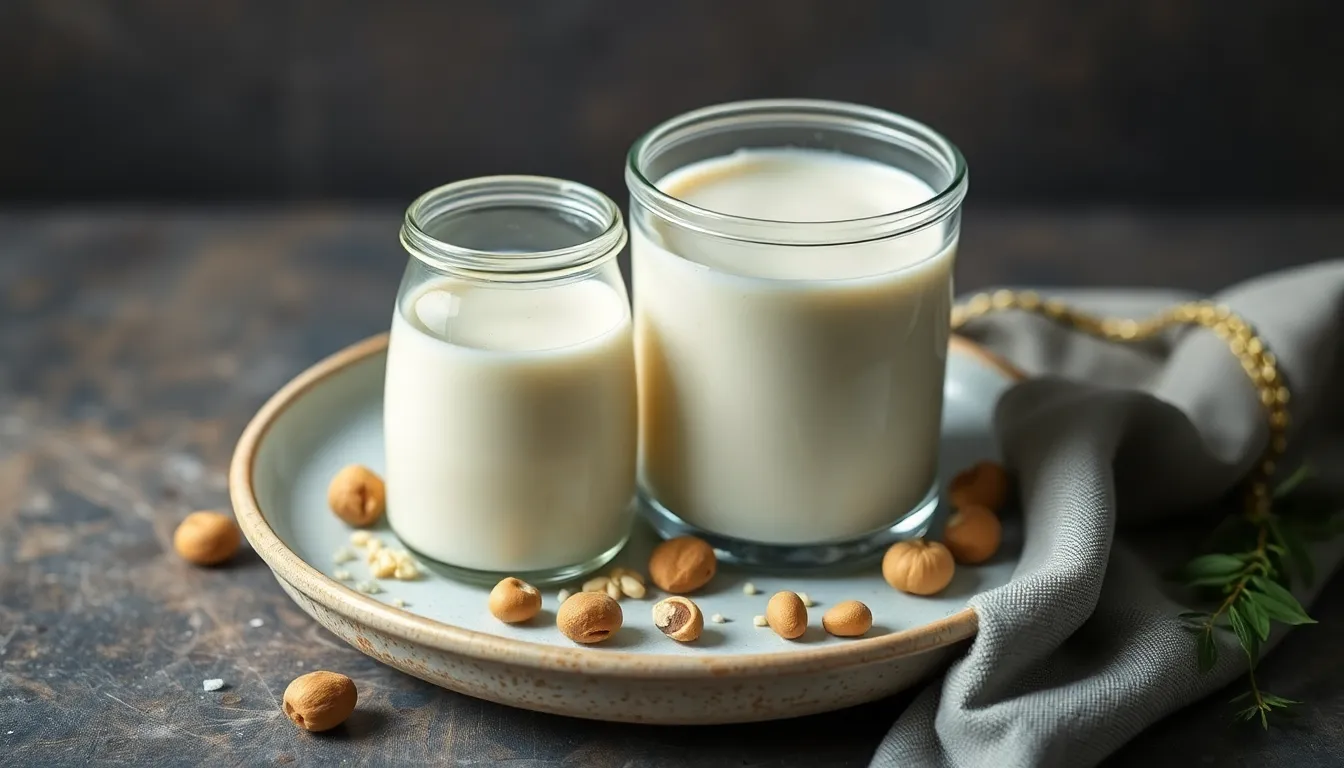
How to Make Raw Nut Milk: A Creamy Alternative You’ll Love
Introduction: The Dairy-Free Revolution
The rise in popularity of nut milk has marked a significant shift in dietary habits, with more people turning to plant-based alternatives for various reasons—be it health, environmental concerns, or lactose intolerance. Homemade nut milk offers a fresher, customizable option that far surpasses many store-bought versions in terms of flavor, texture, and nutritional content.
Making nut milk at home allows you to control the ingredients, eliminate additives, and tailor flavors to your liking. From creamy almond to rich cashew, the varieties of nuts you can use are endless, each offering its unique profile and benefits.
1. The Nutty Basics: Choosing Your Nuts
When it comes to crafting your own nut milk, the type of nut you choose plays a crucial role in determining the taste, texture, and overall enjoyment of the final product. Here’s a closer look at some of the most popular nuts:
1.1 Almonds: The Classic Choice for Creamy Richness
Almonds are perhaps the most well-known nut used for milk-making, prized for their creamy texture and slightly sweet flavor. They’re also packed with vitamin E and healthy fats.
1.2 Cashews: Smooth, Buttery, and Less Gritty
Cashews yield an incredibly smooth nut milk that is naturally sweet and buttery. Their higher fat content contributes to a velvety texture that many people adore.
1.3 Hazelnuts: A Unique Flavor Profile That Adds a Twist
Hazelnuts bring a distinctive, nutty flavor that can elevate your nut milk experience. They pair beautifully with chocolate and coffee.
1.4 Walnuts: Nutrient-Rich and Earthy
Walnuts offer a rich, earthy taste and are loaded with omega-3 fatty acids, making them a powerhouse ingredient for health enthusiasts.
1.5 Pecans: A Sweet and Delicious Alternative
Pecans lend a naturally sweet flavor and buttery texture to nut milk, providing a delightful twist, especially for desserts.
| Type of Nut | Flavor Profile | Nutritional Highlights | Best Uses |
|---|---|---|---|
| Almonds | Creamy, slightly sweet | High in vitamin E, magnesium | Smoothies, coffee, baking |
| Cashews | Smooth, buttery | Rich in healthy fats, iron | Creamy sauces, desserts |
| Hazelnuts | Nutty, unique | Antioxidants, vitamin E | Coffee, dessert toppings |
| Walnuts | Earthy, rich | High in omega-3s, protein | Smoothies, salad dressings |
| Pecans | Sweet, buttery | Rich in fiber, antioxidants | Baking, sweet dishes |
2. Soaking and Prepping: The Key to Creaminess
Soaking nuts is a crucial step in the nut milk-making process. This simple act enhances the texture, flavor, and digestibility of your nuts.
Importance of Soaking Nuts: What It Does for Texture and Flavor
Soaking nuts softens them, allowing for a creamier and smoother milk. It also helps reduce phytic acid, an anti-nutrient found in nuts that can inhibit the absorption of essential minerals.
Step-by-Step Guide to Soaking Your Chosen Nuts
- Measure the amount of nuts you want to use.
- Rinse the nuts under cold water.
- Place the nuts in a bowl and cover them with water—make sure the water is at least 1-2 inches above the nuts.
- Let them soak for 4-12 hours (almonds and hazelnuts can soak overnight, while cashews may only need 2-4 hours).
- Once soaked, drain and rinse the nuts before blending.
Tips for Optimizing Soaking Time
- Use fresh, raw nuts for the best results.
- Soak longer for creamier milk; shorter soaking times yield a more robust flavor.
- Experiment with soaking times to find your ideal texture.
3. Blending to Perfection: The Art of Nut Milk
Blending is where the magic happens! The right technique can take your nut milk from good to absolutely delicious.
3.1 Equipment Essentials
Choosing the right equipment is key to achieving the perfect consistency.
- Blender: A high-speed blender can create a smoother texture but requires more effort in straining.
- Nut Milk Maker: Purpose-built devices simplify the process and often yield excellent results with less effort.
3.2 The Perfect Blend Ratio
The ratio of nuts to water can vary depending on the type of nut and your desired creaminess. Here are some suggested ratios:
| Type of Nut | Nuts (cups) | Water (cups) | Texture |
|---|---|---|---|
| Almonds | 1 cup | 3-4 cups | Creamy |
| Cashews | 1 cup | 2-3 cups | Very creamy |
| Hazelnuts | 1 cup | 3-4 cups | Nutty |
| Walnuts | 1 cup | 3 cups | Earthy |
| Pecans | 1 cup | 3-4 cups | Sweet |
3.3 Flavor Enhancements
While nut milk is delicious on its own, you can easily elevate the flavor profile with a few natural enhancements:
- Natural Sweeteners: Consider adding dates, maple syrup, or honey for sweetness.
- Flavor Additions: Vanilla extract, cinnamon, or cocoa powder can enhance the taste and make your nut milk uniquely yours.
4. Straining and Storing: Keep It Fresh
After blending, it’s time to strain! This step is essential for achieving that silky texture.
4.1 The Straining Process
You have a couple of options for straining your nut milk:
- Cheesecloth: A versatile option that works well but can be a bit messy.
- Nut Milk Bag: Designed specifically for this purpose, they make the process cleaner and easier.
Simply pour the blended mixture through your chosen strainer, and gently squeeze to extract all of the delicious nut milk.
4.2 Storage Solutions
For optimal freshness, store your nut milk in airtight containers. Here are a few options:
- Glass jars or bottles with a tight seal
- Reusable silicone bags
- Plastic containers (BPA-free)
4.3 Shelf Life
Homemade nut milk typically lasts about 3-5 days in the refrigerator. Always check for signs of spoilage, such as an off smell or separation, before consuming.
5. Creative Uses for Your Homemade Nut Milk
Your homemade nut milk isn’t just a beverage; it can be incorporated into a variety of dishes!
5.1 Breakfast Boost: Smoothies and Oatmeal
Use your nut milk as a base for nutritious smoothies or pour it over oatmeal for a creamy breakfast.
5.2 Coffee Companion: Creamy Lattes and Cappuccinos
Your nut milk can be the perfect creamer for coffee drinks, adding depth and flavor to lattes and cappuccinos.
5.3 Baking Buddy: Substitute in Recipes
Replace dairy milk in baking recipes with nut milk for a delicious twist in muffins, pancakes, and cakes.
5.4 Savory Surprises: Incorporating Nut Milk into Sauces and Soups
Nut milk can also be used to create creamy sauces or soups, adding richness without the dairy.
6. Common Pitfalls: What to Avoid
Even seasoned cooks can run into issues when making nut milk. Here are common pitfalls to watch out for:
Issues with Texture and Consistency
If your nut milk turns out gritty, you may not have blended it long enough or used enough water. Aim for a smooth, silky result.
Flavor Mishaps and How to Fix Them
If your nut milk tastes bland, consider adding more sweetener or flavorings. Adjusting the nut-to-water ratio can also enhance the flavor.
Tips for Troubleshooting Your Nut Milk Process
- Always soak your nuts adequately for the best texture.
- Experiment with different nuts and ratios to find what you love.
- Don’t be afraid to taste as you go—this is your nut milk, after all!
Conclusion: Embrace the Creamy Goodness
Making your own nut milk is a rewarding experience that not only enhances your diet but also empowers you to make healthier choices. With the myriad of nut options available, the flavors and variations are endless!
Don’t hesitate to experiment with different nuts and flavor combinations to discover what works best for you. Share your nut milk-making experiences and favorite recipes in the comments below; we’d love to hear from you!
Call to Action: Join the Nut Milk Movement!
If you enjoyed this guide and want to explore more dairy-free recipes, subscribe to our blog for updates! Share the creamy goodness of nut milk by sharing this article on social media and inviting your friends to join the revolution!