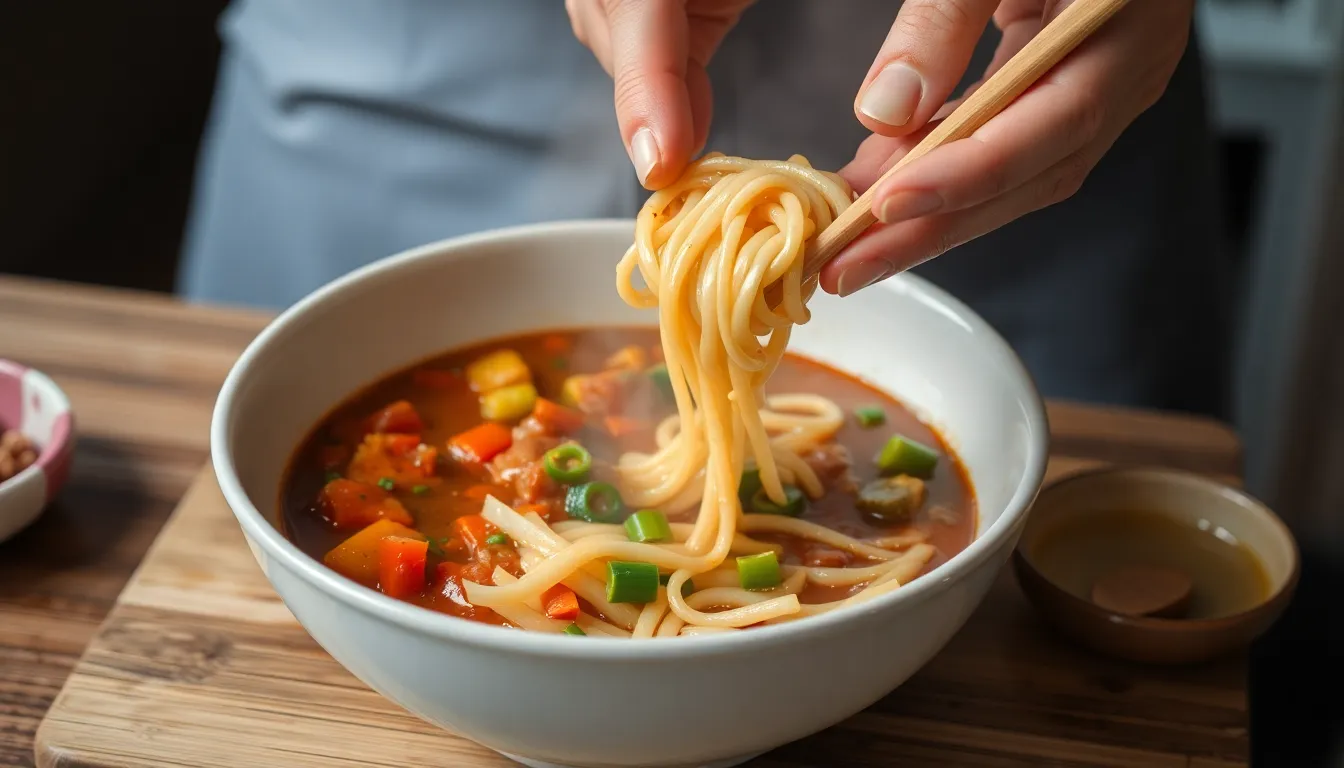
How to Make a Vegetable Stir-Fry Sauce from Scratch
Introduction
Stir-fry cuisine is a vibrant and versatile way to prepare meals, allowing you to showcase a variety of vegetables while keeping things quick and simple. Originating from Asian culinary traditions, stir-frying involves cooking food at high heat in a small amount of oil, delivering a unique texture and flavor that is hard to replicate with any other cooking method.
At the heart of every great stir-fry is a good sauce. A well-crafted stir-fry sauce can elevate your dish, providing depth and balance that ties all the ingredients together. In this article, we will cover how to make a delicious vegetable stir-fry sauce from scratch, guiding you through the essential ingredients and step-by-step instructions to ensure your next stir-fry is a success.
Ingredients Needed
To create a flavorful stir-fry sauce, you will need a selection of essential ingredients. Each ingredient plays a crucial role in developing the sauce’s flavor profile, ensuring a balanced and delicious outcome. Below is a list of the primary ingredients you will need:
HTML Table: Ingredients List
| Ingredient | Quantity | Role in Sauce |
|---|---|---|
| Soy Sauce | 1/4 cup | Base flavor |
| Sesame Oil | 2 tablespoons | Richness and aroma |
| Garlic | 3 cloves, minced | Flavor enhancer |
| Ginger | 1 tablespoon, grated | Freshness and spice |
| Brown Sugar | 1 tablespoon | Sweetness |
| Rice Vinegar | 1 tablespoon | Acidity |
| Red Pepper Flakes | 1 teaspoon (optional) | Heat |
Step-by-Step Instructions
Step 1: Prepare Your Ingredients
Before diving into making your sauce, it is essential to prep your vegetables and aromatics. Here are some tips for a successful preparation:
- Wash and dry your vegetables thoroughly to avoid excess moisture that can make the stir-fry soggy.
- Chop vegetables into uniform sizes to ensure even cooking.
- Minced garlic and grated ginger should be prepared ahead of time for easy mixing into the sauce.
- Keep all your ingredients organized and within reach; this not only speeds up the cooking process but also helps maintain focus.
Having everything ready before you start cooking is crucial, as stir-frying is a quick process. You won’t have time to chop or prepare once you heat up the pan!
Step 2: Mix the Sauce
Now that your ingredients are prepared, it’s time to mix your sauce. Follow these detailed instructions:
- In a bowl, combine 1/4 cup of soy sauce with 2 tablespoons of sesame oil. This forms the base of your sauce.
- Add in the minced garlic and grated ginger, stirring well to incorporate.
- Mix in 1 tablespoon of brown sugar, ensuring it dissolves completely. This will add a touch of sweetness to balance the saltiness of the soy sauce.
- Stir in 1 tablespoon of rice vinegar for a tangy kick.
- If you enjoy heat, sprinkle in 1 teaspoon of red pepper flakes. Adjust the quantity based on your preference.
Taste your sauce and adjust the flavors as needed. If you prefer a sweeter sauce, add more brown sugar. For a saltier kick, increase the soy sauce. This is your sauce, so make it to your liking!
Step 3: Cooking the Stir-Fry
With your sauce ready, it’s time to stir-fry. Here’s a brief overview of how to use the sauce effectively:
- Heat a wok or large skillet over high heat until hot. This ensures your vegetables stir-fry quickly without steaming.
- Add a light drizzle of oil, and then toss in your prepped vegetables. Stir-fry them for 3-5 minutes until they’re just tender but still crisp.
- Once your vegetables are almost done, pour the stir-fry sauce over them. Toss everything together to ensure each piece is evenly coated.
- Continue cooking for another minute or two, allowing the sauce to heat through and thicken slightly.
Variations of Stir-Fry Sauce
One of the beautiful aspects of stir-fry cuisine is the versatility of the sauce. You can easily alter the flavor profile of your stir-fry sauce to suit your taste or dietary preferences. Here are some variations to consider:
- Spicy Stir-Fry Sauce: Increase the amount of red pepper flakes or add a splash of Sriracha or chili oil for extra heat.
- Sweet and Sour Sauce: Incorporate pineapple juice or add more brown sugar along with a splash of orange juice for a fruity twist.
- Umami Boost: Add a tablespoon of oyster sauce or hoisin sauce to introduce a deeper savory flavor.
- Gluten-Free Option: Substitute soy sauce with tamari or coconut aminos for a gluten-free variant.
- Vegan Consideration: Ensure all ingredients are plant-based and use alternatives to any non-vegan sauces.
Tips for the Perfect Stir-Fry
Achieving the perfect stir-fry involves more than just the right sauce. Here are some essential tips to keep in mind:
- Use high heat to achieve that signature stir-fried texture, which is crispy yet tender.
- Cook ingredients in batches if necessary; overcrowding the pan can lead to steaming instead of stir-frying.
- Choose vegetables that complement each other in terms of cooking time. For instance, bell peppers and broccoli cook at different rates, so consider adding them at different stages.
- Finish with a sprinkle of fresh herbs or toasted sesame seeds for added flavor and presentation.
Conclusion
Making your own vegetable stir-fry sauce from scratch is not only simple but also incredibly rewarding. With a few essential ingredients and a bit of creativity, you can craft a sauce that perfectly complements your chosen vegetables. Remember, the key to an exceptional stir-fry lies in the sauce and the cooking technique, so don’t hesitate to experiment with flavors and ingredients.
We encourage you to try out this recipe, add your personal touch, and share your own variations or experiences in the comments below. Happy cooking!
Additional Resources