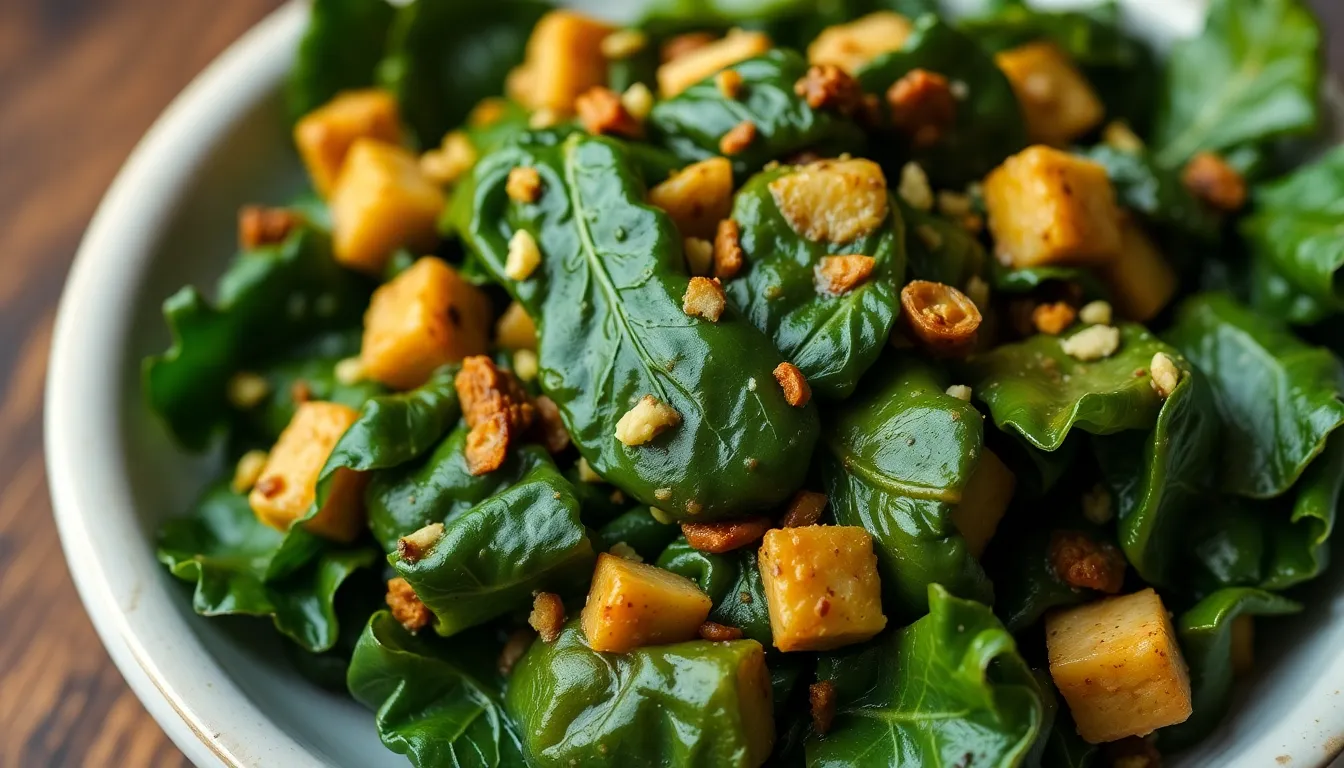
How to Cook with Seasonal Collard Greens: Delicious Recipes
Collard greens are a leafy green vegetable that has been a staple in Southern cooking for generations. Known for their slightly bitter flavor and hearty texture, these greens are not only delicious but also packed with nutrients. They belong to the Brassica family, which includes kale, cabbage, and broccoli, and are particularly known for their high vitamin K, vitamin A, and fiber content. Cooking with seasonal ingredients like collard greens can enhance your dishes and provide a burst of flavor that is both healthy and satisfying.
In this blog post, we will delve into the world of collard greens. We will explore their nutritional benefits, how to select and store them, preparation techniques, and of course, share some mouthwatering recipes that will make you fall in love with this versatile vegetable. Let’s get started!
Section 1: Understanding Collard Greens
1.1 What Are Collard Greens?
Collard greens are large, dark green leaves that are often associated with Southern cuisine. They have a slightly bitter taste that mellows when cooked, making them a fantastic addition to a variety of dishes. The leaves are thick and sturdy, which makes them perfect for braising and slow cooking. Their flavor profile can be described as earthy, with a hint of nuttiness, which pairs well with savory flavors.
1.2 Nutritional Benefits
Collard greens are not only delicious but also incredibly nutritious. Here’s a breakdown of their key vitamins and minerals:
- Vitamin K: Collard greens are one of the best sources of vitamin K, which is essential for blood clotting and bone health.
- Vitamin A: Rich in beta-carotene, collard greens help maintain healthy vision and support immune function.
- Vitamin C: This vitamin is vital for skin health and immune support.
- Fiber: Collard greens are high in fiber, which aids digestion and helps maintain a healthy weight.
Consuming collard greens regularly can help reduce the risk of chronic diseases, improve heart health, and support healthy digestion.
Section 2: Selecting and Storing Collard Greens
2.1 How to Choose Fresh Collard Greens
When shopping for collard greens, it’s important to select the freshest leaves for the best flavor and texture. Here are some tips for choosing the best collard greens at the market:
- Look for vibrant green leaves with no yellowing or browning.
- Choose leaves that are firm and crisp, not wilted or limp.
- Check for any signs of pests or damage on the leaves.
- Smell the greens; they should have a fresh, earthy aroma.
2.2 Proper Storage Techniques
To maintain the freshness of collard greens, proper storage is key. Follow these steps to ensure they stay crisp for as long as possible:
- Do not wash the greens until you’re ready to use them, as excess moisture can cause them to spoil faster.
- Wrap the greens in a damp paper towel and place them in a plastic bag or container.
- Store them in the refrigerator’s crisper drawer, where they can last for up to a week.
Section 3: Preparation Techniques
3.1 Cleaning and Trimming
Before cooking with collard greens, it’s essential to clean and trim them properly. Follow this step-by-step guide:
- Rinse the collard greens under cold running water to remove any dirt or grit.
- Remove the thick stems at the bottom of each leaf by cutting them out with a sharp knife.
- Stack several leaves on top of each other, roll them up, and slice them into strips for easier cooking.
3.2 Cooking Methods
There are several ways to cook collard greens, each offering unique flavors and textures. Here’s a brief overview of the most popular methods:
| Cooking Method | Description | Time Required | Best For |
|---|---|---|---|
| Steaming | Retains nutrients, softens texture | 5-10 minutes | Healthy sides |
| Sautéing | Quick cooking with oil for flavor | 5-7 minutes | Flavorful dishes |
| Braising | Slow cooking for deep flavors | 30-60 minutes | Hearty meals |
Section 4: Delicious Collard Greens Recipes
4.1 Southern Collard Greens
This traditional recipe features collard greens cooked with smoked meat and spices, delivering a comforting dish that’s perfect for family gatherings or Sunday dinners.
Ingredients:
- 1 lb collard greens, cleaned and trimmed
- 4 cups low-sodium chicken broth
- 1 smoked ham hock or bacon
- 1 onion, chopped
- 3 cloves garlic, minced
- 1 tsp red pepper flakes
- Salt and pepper to taste
Instructions:
- In a large pot, sauté the onion and garlic until translucent.
- Add the ham hock or bacon, and cook for a few minutes until browned.
- Pour in the chicken broth and bring to a simmer.
- Add the collard greens and red pepper flakes, then cover and cook for 45 minutes or until tender.
- Season with salt and pepper before serving.
4.2 Collard Greens Salad
This fresh salad highlights the versatility of collard greens, served raw with a tangy dressing that wakes up your taste buds.
Ingredients:
- 1 bunch collard greens, cleaned and chopped
- 1 carrot, shredded
- 1 red bell pepper, diced
- 1/4 cup red onion, thinly sliced
- 1/4 cup olive oil
- 2 tbsp apple cider vinegar
- 1 tbsp honey or maple syrup
- Salt and pepper to taste
Instructions:
- In a bowl, whisk together olive oil, apple cider vinegar, honey, salt, and pepper.
- In a large mixing bowl, combine collard greens, carrot, bell pepper, and red onion.
- Pour the dressing over the salad and toss to combine.
- Let it sit for 10-15 minutes before serving to allow flavors to meld.
4.3 Collard Greens and White Bean Soup
This hearty soup is perfect for colder months, combining the earthy flavors of collard greens with creamy white beans.
Ingredients:
- 1 lb collard greens, cleaned and chopped
- 1 can (15 oz) white beans, drained and rinsed
- 4 cups vegetable broth
- 1 onion, diced
- 2 cloves garlic, minced
- 1 tsp thyme
- Salt and pepper to taste
Instructions:
- In a large pot, sauté the onion and garlic until soft.
- Add the vegetable broth and bring to a boil.
- Add the collard greens, thyme, and white beans.
- Reduce heat and simmer for 30 minutes. Season with salt and pepper before serving.
4.4 Sautéed Collard Greens with Garlic and Lemon
This quick side dish is bursting with flavor and makes a perfect accompaniment to any meal.
Ingredients:
- 1 lb collard greens, cleaned and chopped
- 2 tbsp olive oil
- 3 cloves garlic, minced
- Juice of 1 lemon
- Salt and pepper to taste
Instructions:
- Heat olive oil in a large skillet over medium heat.
- Add garlic and sauté for 1 minute until fragrant.
- Add the collard greens and sauté for 5-7 minutes until wilted.
- Drizzle with lemon juice and season with salt and pepper before serving.
Section 5: Pairing Collard Greens with Other Ingredients
5.1 Flavor Pairings
Collard greens can be paired with various seasonings and ingredients that enhance their natural flavor. Here are some excellent pairings:
- Garlic and onions for a savory kick
- Smoked meats for depth of flavor
- Vinegar or citrus to balance bitterness
- Nuts or seeds for added crunch and nutrition
- Spices like cayenne or paprika for heat
5.2 Meal Ideas
If you’re looking to incorporate collard greens into your meals, here are some ideas:
- Serve sautéed collard greens alongside grilled chicken or fish.
- Add collard greens to a hearty grain bowl with quinoa, roasted vegetables, and a tahini dressing.
- Include them in a breakfast scramble with eggs and other veggies.
- Use collard greens as a wrap for sandwiches or burritos for a low-carb option.
In conclusion, collard greens are a versatile and nutritious vegetable that can elevate your meals. Whether you prefer them cooked, raw, in salads, or soups, there’s no shortage of delicious ways to enjoy this seasonal ingredient. Remember to choose fresh greens, store them correctly, and experiment with different cooking methods and recipes for the best results. Happy cooking!