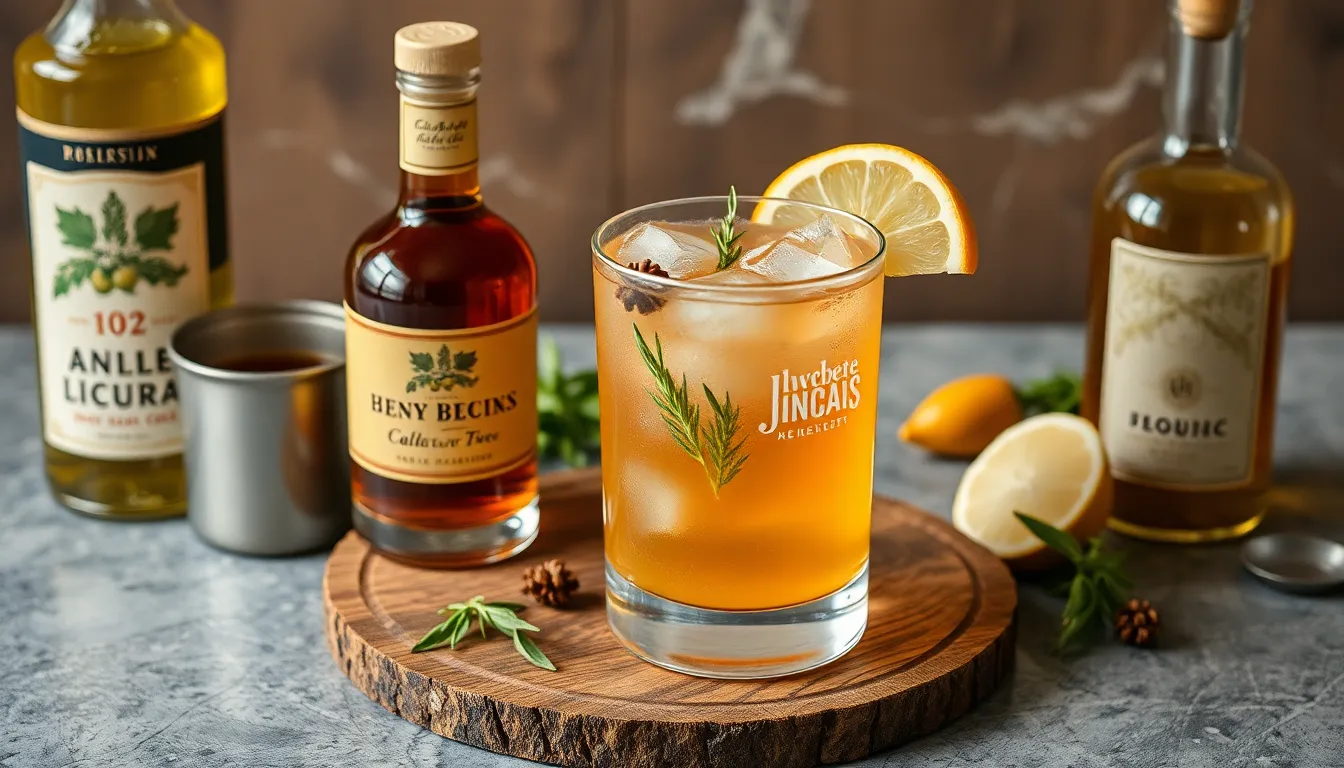
Herb-Infused Liqueurs: A Unique Twist on Classic Drinks
Introduction
Liqueurs have long been a staple in the world of cocktails, adding depth, sweetness, and complexity to a wide variety of beverages. Traditionally, these sweetened spirits are enjoyed in mixed drinks or as after-dinner digestifs. However, as the craft cocktail movement continues to grow, the concept of infusing liqueurs with fresh herbs has gained popularity, offering a unique twist on classic drinks that can elevate any gathering.
Herb infusion involves steeping fresh herbs in alcohol, allowing their flavors and aromas to meld into the spirit. This process not only enhances the taste but also brings out the vibrant essence of the herbs, creating liqueurs that are as unique as they are delicious.
Making your own herb-infused liqueurs at home is not only a fun and creative endeavor but also a rewarding one. You can customize flavors, control the quality of ingredients, and save money compared to store-bought options. Join me as we explore the art of creating these delightful concoctions!
Section 1: Understanding Herb-Infused Liqueurs
Definition of Herb-Infused Liqueurs
Herb-infused liqueurs are spirits that have been flavored with herbs, allowing the alcohol to absorb the natural oils and compounds found in the plants. These liqueurs can range from refreshing and bright to earthy and complex, depending on the herbs used.
Comparison between Traditional Liqueurs and Herb-Infused Versions
Traditional liqueurs often rely on fruits, spices, or artificial flavors to create their profiles. In contrast, herb-infused liqueurs provide a fresh and lively character that can be more aligned with the tastes of those who appreciate the nuances of natural ingredients. The use of herbs allows for a unique sensory experience that can invigorate both the palate and the mind.
Popular Herbs Used in Liqueur Infusion
Here are some popular herbs that work wonderfully in liqueur infusions:
- Basil
- Rosemary
- Thyme
- Mint
- Lavender
- Sage
- Chamomile
Section 2: The Benefits of Making Your Own Liqueurs
Cost-Effectiveness of Homemade Liqueurs
One of the most significant advantages of crafting your own liqueurs is the cost savings. Store-bought infusions can be pricey, but with just a few simple ingredients from your local grocery store or farmers’ market, you can create your own at a fraction of the price.
Customization of Flavors to Suit Personal Taste
When you make your own liqueurs, you have complete control over the flavors. You can experiment with different herbs, spirits, and sweeteners until you find the perfect combination that suits your palate.
Control Over Ingredients and Quality
Making your own liqueurs allows you to select high-quality ingredients. You can choose organic herbs, avoid artificial additives, and use premium spirits to ensure that you’re making the best possible infusion.
Potential Health Benefits of Using Fresh Herbs
Many herbs come with their own health benefits, from digestive aids to anti-inflammatory properties. By infusing these herbs into your liqueurs, you can enjoy a delightful drink that may also provide some wellness advantages.
Section 3: How to Make Herb-Infused Liqueurs
3.1 Basic Ingredients Needed
To create your own herb-infused liqueurs, you’ll need the following basic ingredients:
- Spirits: Vodka or gin are commonly used for their neutral flavors, but you can also experiment with rum or whiskey for a unique twist.
- Herbs: Fresh herbs are key for infusion. Choose the ones that appeal to you the most.
- Sweeteners: Depending on your taste preference, you can use simple syrup, honey, or agave nectar to sweeten the liqueur.
3.2 Step-by-Step Process
Follow these detailed instructions to infuse your liqueurs:
- Choose Your Herbs: Select fresh herbs that you want to use for your infusion. Rinse and gently pat them dry to remove any dirt.
- Prepare the Herbs: Roughly chop the herbs to help release their oils, but avoid pulverizing them.
- Combine Ingredients: In a clean glass jar, combine the chopped herbs, chosen spirit, and sweetener. Use a ratio of 1 cup of herbs to 4 cups of spirit for a robust flavor.
- Infuse: Seal the jar tightly and store it in a cool, dark place for the recommended infusion time.
- Taste Test: After the infusion time has passed, taste your liqueur. If the flavor is strong enough, strain out the herbs using a fine mesh strainer or cheesecloth.
- Bottle and Store: Pour the strained liqueur into a clean bottle, label it, and store it in a cool, dark place.
3.3 Infusion Times and Pairings
Here’s a handy reference table for infusion times and herb pairings:
| Herb Name | Recommended Spirit | Infusion Time | Flavor Notes |
|---|---|---|---|
| Basil | Gin | 5-7 days | Fresh, slightly peppery |
| Rosemary | Vodka | 7-10 days | Earthy, pine-like |
| Thyme | Gin | 5-7 days | Herbaceous, subtle |
| Mint | Vodka | 3-5 days | Refreshing, cooling |
Section 4: Creative Cocktail Recipes Using Herb-Infused Liqueurs
4.1 Classic Cocktails with a Twist
Here are a couple of recipe ideas that highlight the delicious flavors of herb-infused liqueurs:
Basil Gin Fizz
Ingredients:
- 2 oz basil-infused gin
- 1 oz fresh lemon juice
- 1 oz simple syrup
- Soda water
- Fresh basil leaves for garnish
Instructions:
- In a cocktail shaker filled with ice, combine basil-infused gin, lemon juice, and simple syrup. Shake well.
- Strain into a glass filled with ice and top with soda water. Stir gently.
- Garnish with fresh basil leaves and enjoy!
Rosemary Vodka Tonic
Ingredients:
- 2 oz rosemary-infused vodka
- 4 oz tonic water
- Lemon wedge for garnish
Instructions:
- Fill a glass with ice and pour in the rosemary-infused vodka.
- Top with tonic water and stir gently to combine.
- Garnish with a lemon wedge and serve!
4.2 Seasonal Cocktails
Embrace the seasons by utilizing different herbs in your cocktails:
- Summer: Try a Mint Mojito using mint-infused vodka, fresh lime juice, sugar, and soda water.
- Fall: Enjoy a Thyme Mule with thyme-infused vodka, ginger beer, and fresh lime.
- Winter: Warm up with a Thyme Hot Toddy using thyme-infused whiskey, hot water, honey, and a lemon slice.
- Spring: Refresh yourself with a Basil Lemonade made with basil-infused gin and homemade lemonade.
Section 5: Storing and Enjoying Your Herb-Infused Liqueurs
Best Practices for Storage
To ensure that your herb-infused liqueurs remain fresh and flavorful, follow these storage tips:
- Use dark glass bottles to protect the liqueurs from light exposure.
- Store in a cool, dark place, away from direct sunlight and heat sources.
- Seal tightly to prevent air from getting in, which can alter the flavor.
Shelf Life of Homemade Liqueurs
Homemade herb-infused liqueurs can last for up to a year if stored properly. However, it’s best to consume them within six months for optimal flavor.
Suggestions for Enjoying and Serving
Enjoy your herb-infused liqueurs neat, on the rocks, or as a dazzling addition to cocktails. Consider serving them in elegant glassware to enhance the experience. You can also use them in culinary applications, such as drizzling over desserts or incorporating into marinades.
Conclusion
Making your own herb-infused liqueurs is a delightful and rewarding experience that allows you to explore the world of flavors while using fresh ingredients. Not only do these unique liqueurs enhance your home bar, but they also provide an opportunity for creativity and experimentation with seasonal herbs.
So why not roll up your sleeves and dive into the art of liqueur-making? You may discover new flavor profiles that will surprise and delight your guests, all while enjoying the satisfaction of having crafted something truly special. Cheers to your adventures in herb-infused liqueurs!