Exploring Raw Food Cuisines: A Culinary Journey Across Cultures
I. Introduction: The Allure of Raw Food
Raw food cuisine is not just a dietary choice; it’s a lifestyle that embraces the simplicity and purity of ingredients straight from nature. This culinary practice emphasizes the consumption of unprocessed, uncooked foods, enabling the eater to connect deeply with the natural world.
The allure of raw food lies in its vibrant colors, fresh flavors, and the myriad health benefits it offers. Consuming foods in their natural state ensures maximum nutrient retention and enzyme activity, promoting optimal health and wellness. As we explore raw food practices across different cultures, we unveil a diverse tapestry of flavors that reflects local ingredients, traditions, and culinary ingenuity.
This journey across cultures reveals the importance of raw foods not just for their health benefits, but also for their capacity to celebrate cultural heritage and diversity. Each region boasts unique raw dishes that tell stories of its people and their connection to the land.
II. A World Tour of Raw Food Traditions
A. Asia: Nature’s Bounty in Every Bite
Asia, with its rich agricultural heritage, offers a plethora of raw food traditions that highlight the beauty of fresh produce and intricate flavors. From the delicate art of sushi-making in Japan to vibrant raw salads in Thailand, Asian cultures have long celebrated raw ingredients.
1. Overview of raw food in Asian cultures
Raw food practices in Asia are often tied to traditional health philosophies, such as Ayurveda in India and Traditional Chinese Medicine. These practices emphasize balance and harmony, often advocating for the consumption of raw fruits and vegetables to enhance vitality.
2. Popular raw dishes: sushi, salads, and more
- Sushi: Thin slices of fresh fish, often served with vinegared rice and seaweed, embody the art of raw food in Japan.
- Thai Papaya Salad: A spicy blend of shredded papaya, tomatoes, and peanuts, offering a refreshing crunch.
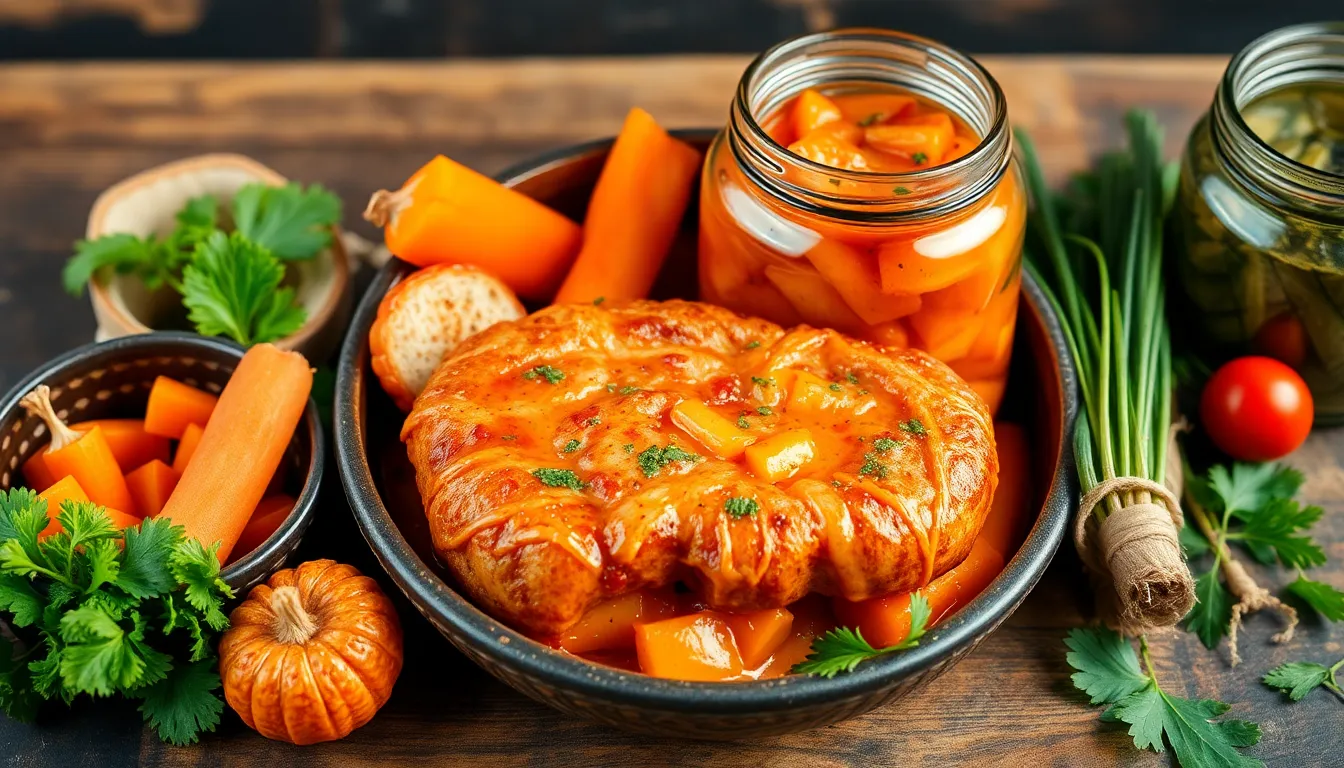
- Kimchi: A fermented raw dish from Korea, made from seasoned vegetables and spices, enhancing gut health.
B. The Mediterranean: Freshness in Every Platter
The Mediterranean region is renowned for its vibrant cuisine, focusing heavily on fresh, raw ingredients. The importance of quality olive oil, seasonal vegetables, and aromatic herbs plays a critical role in raw Mediterranean dishes.
1. The role of ingredients like olives and vegetables
Olives, tomatoes, cucumbers, and bell peppers are just a few of the staple ingredients that define Mediterranean raw cuisine. These ingredients are often enjoyed in their pure state or combined to create delectable dishes.
2. Signature raw dishes: Greek salads and mezze platters
- Greek Salad: A colorful mix of fresh tomatoes, cucumbers, onions, feta cheese, and drizzled with olive oil.
- Mezze Platters: An assortment of dips like hummus and baba ghanoush served with raw vegetables and pita.
C. The Americas: Bold Flavors and Vibrant Colors
In the Americas, raw food traditions draw from indigenous practices and modern culinary innovations, creating a fusion of flavors that celebrate freshness and creativity.
1. Native practices and modern interpretations
Many indigenous cultures in the Americas have a long history of incorporating raw foods into their diets. Modern interpretations often blend these traditions with global influences, resulting in innovative raw dishes.
2. Highlighting dishes: ceviche and raw tacos
- Ceviche: A dish made from fresh raw fish cured in citrus juices, often accompanied by onions, cilantro, and chilies.
- Raw Tacos: Lettuce wraps filled with fresh vegetables, guacamole, and marinaded nuts or seeds.
III. The Nutritional Powerhouse of Raw Foods
A. Nutrient Density and Enzyme Richness
One of the primary benefits of raw food is its nutrient density. Raw fruits and vegetables contain essential vitamins, minerals, and enzymes that are often diminished through cooking. The raw food diet maximizes these nutrients, providing a powerful boost to overall health.
B. Antioxidants and Their Benefits
Raw foods are packed with antioxidants, compounds that help combat oxidative stress in the body. By consuming a variety of colorful fruits and vegetables, you can enhance your body’s defense mechanism against chronic diseases.
C. Hydration and Raw Foods
Many raw foods, especially fruits and vegetables, have high water content, which contributes to hydration. Staying hydrated is crucial for maintaining energy levels, cognitive function, and overall health.
IV. A Closer Look at Ingredients: The Staples of Raw Cuisine
A. Fruits and Vegetables: The Colors of Nature
Fruits and vegetables are the cornerstone of raw cuisine. Their vibrant colors indicate a rich array of nutrients and flavors. Incorporating a diverse selection can enhance the visual appeal and nutritional value of any dish.
B. Nuts and Seeds: Crunchy Goodness
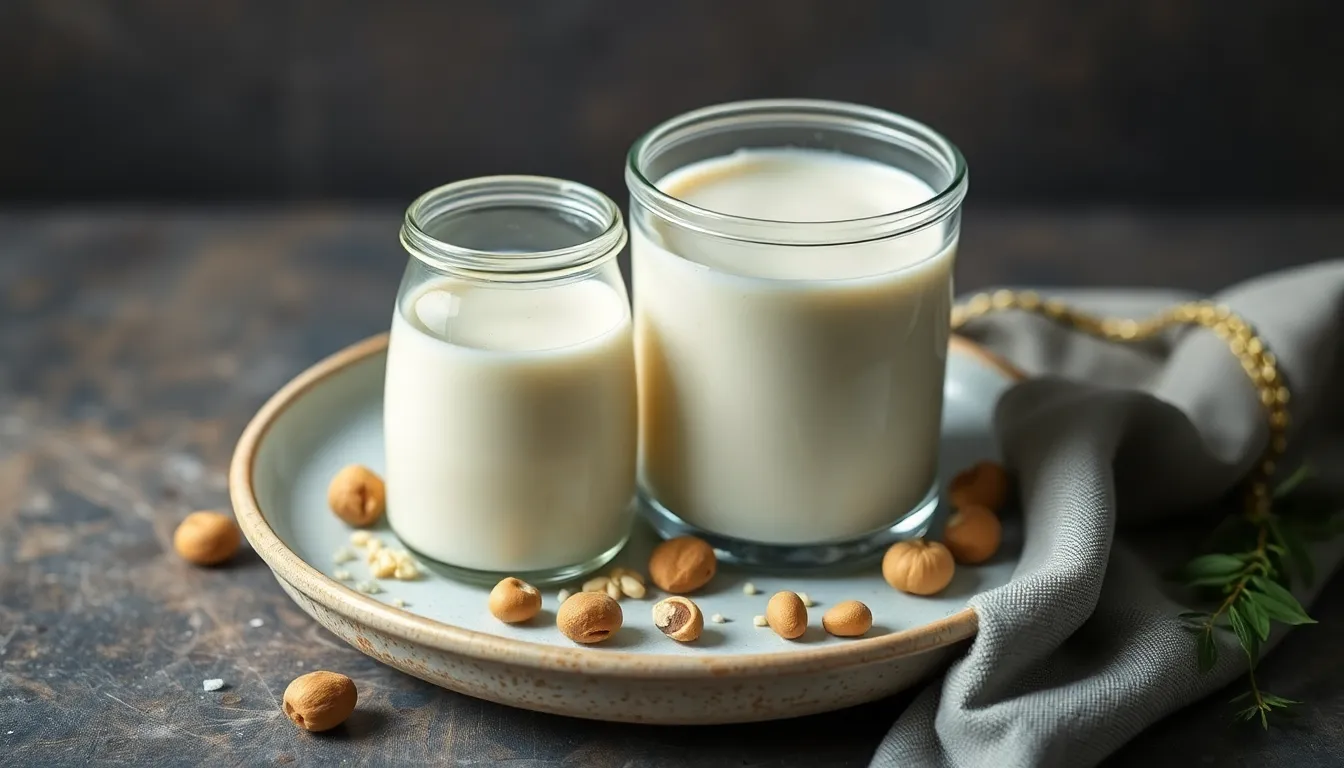
Nuts and seeds provide healthy fats, protein, and fiber, making them an excellent addition to raw dishes. They can be used as toppings, bases for raw desserts, or blended into sauces.
C. Herbs and Spices: Flavor Elevation
Fresh herbs and spices can elevate the flavors of raw dishes, offering complexity and depth. They not only enhance taste but also provide additional health benefits.
Table: Nutritional Comparison of Common Raw Ingredients
| Ingredient | Calories | Protein (g) | Fiber (g) | Key Vitamins |
|---|---|---|---|---|
| Avocado | 160 | 2 | 7 | Vitamin E, K, C |
| Spinach | 23 | 3 | 2 | Vitamin A, K, C |
| Almonds | 576 | 21 | 12 | Vitamin E, Magnesium |
| Blueberries | 57 | 1 | 2 | Vitamin C, K |
| Chia Seeds | 486 | 17 | 34 | Calcium, Iron |
V. Crafting Raw Food Recipes: Tips and Tricks
A. Essential Tools for Raw Preparation
Investing in the right tools can make raw food preparation easier and more enjoyable. Essential tools include:
- High-quality knives for precise cutting.
- Mandoline slicers for uniform vegetable slices.
- Food processors for blending and creating dips.
- Spiralizers for making vegetable noodles.
B. Creative Pairings and Flavor Combinations
Experimenting with different flavor combinations can elevate your raw dishes. Some creative pairings include:
- Avocado and grapefruit for a creamy and tart salad.
- Mango and chili for a sweet and spicy salsa.
- Beetroot and ginger for a vibrant, earthy dip.
C. Storing and Preserving Raw Dishes
Proper storage is essential for maintaining the freshness and flavor of raw dishes. Tips include:
- Use airtight containers to prevent spoilage.
- Store leafy greens wrapped in paper towels to absorb excess moisture.
- Label containers with dates to keep track of freshness.
VI. Embracing Raw Food: Myths vs. Reality
A. Debunking Common Misconceptions
Despite its rising popularity, raw food cuisine is often misunderstood. Here are some common myths:
- Myth: Raw food is bland. Reality: Raw cuisine can be bursting with flavors through the use of herbs, spices, and creative combinations.
- Myth: It’s too difficult to prepare. Reality: Many raw dishes are simple and require minimal preparation.
B. Safety Practices for Raw Food Preparation
Safety should always be a priority when preparing raw foods. To ensure safety:
- Wash all produce thoroughly to remove pesticides and bacteria.
- Keep raw foods separate from cooked foods to prevent cross-contamination.
- Store foods at the appropriate temperatures to maintain freshness.
VII. Conclusion: A Culinary Adventure Awaits
Exploring raw food recipes opens up a world of culinary adventures. The vibrant colors, fresh flavors, and health benefits make raw foods an exciting addition to any diet. By embracing raw food practices, you not only nourish your body but also celebrate cultural diversity in cuisine.
We invite you to share your raw food experiences and experiments. What unique dishes have you created? How do raw foods fit into your lifestyle? Your journey can inspire others to delve into the world of raw cuisine.
As you explore the rich tapestry of raw food traditions, remember that each bite tells a story of culture, health, and the joy of sharing food with loved ones.
VIII. Call to Action
What are your favorite raw food recipes? Share them in the comments below!
Follow us on social media for more culinary inspiration, tips, and recipes.
Don’t forget to subscribe to our upcoming raw food series for more exciting content!