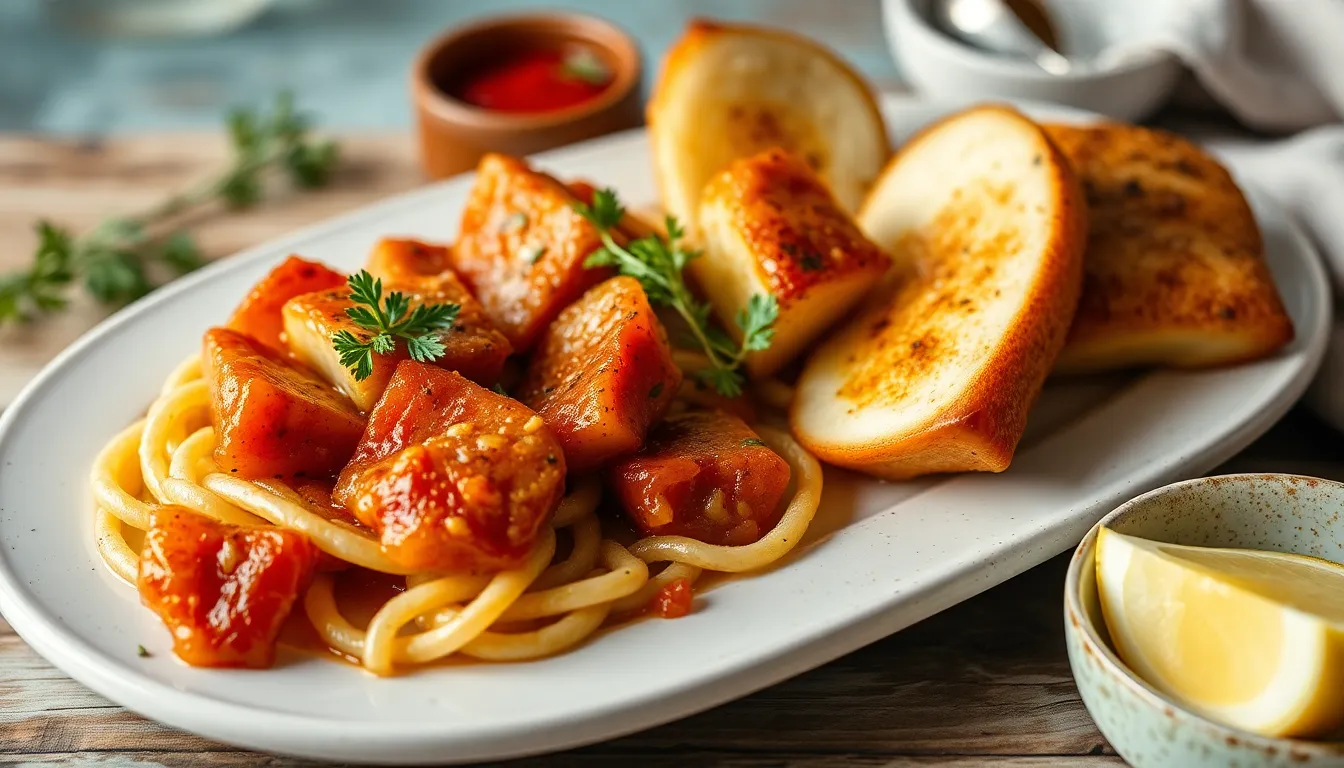
Discover the Secrets of Scandinavian Cuisine: 10 Must-Try Dishes
Introduction: A Culinary Journey to the North
Scandinavian cuisine is a vibrant tapestry woven with the threads of natural beauty, traditional cooking methods, and an unwavering commitment to local ingredients. From the fjords of Norway to the rolling hills of Sweden and the coastal charm of Denmark, each region offers its own unique flavors and culinary customs. The simplicity of Scandinavian dishes often belies the complexity of flavors, drawing on the bounty of land and sea.
As we delve into the heart of Scandinavian culinary traditions, we’ll explore 10 must-try dishes that showcase the rich cultural heritage and the innovative spirit of the region. Get ready to embark on a flavor-filled journey that highlights the best of what the North has to offer!
Section 1: The Heart of Scandinavian Flavors
1.1 What Defines Scandinavian Cuisine?
At its core, Scandinavian cuisine is characterized by a few key elements that define its flavors and techniques. Here’s a closer look:
- Key Ingredients: Fish (especially herring and salmon), meats (like lamb and pork), dairy products, hearty grains, and seasonal vegetables form the backbone of many traditional dishes.
- Influence of Geography: The cold climate and varied landscapes shape the types of food that are grown and consumed, resulting in hearty meals that can withstand long winters.
1.2 The Role of Tradition in Modern Cooking
In Scandinavian cooking, tradition plays a crucial role in the creation of modern dishes. Many contemporary chefs draw inspiration from ancestral recipes, reimagining them while retaining their essence. This connection to the past is coupled with a commitment to sustainability, often utilizing foraging techniques to incorporate wild herbs and mushrooms into meals.
Section 2: Top 10 Must-Try Scandinavian Dishes
2.1 Herring: A Salty Classic
Herring is a cornerstone of Scandinavian cuisine, available in a variety of preparations. Pickled, marinated, or smoked, this fish is celebrated for its versatility and rich flavors. Herring holds a special place in Scandinavian culture, often served during festive occasions and gatherings.
Serving Suggestions:
- On rye bread with diced onions and potatoes.
- As part of a smorgasbord alongside other seafood and cured meats.
2.2 Swedish Meatballs: A Comforting Staple
Few dishes evoke comfort like Swedish meatballs. Made from a blend of ground meat, breadcrumbs, and spices, these little morsels are typically served with creamy gravy and lingonberry sauce. The secret to achieving the perfect meatball texture lies in the balance of ingredients and cooking techniques.
Preparation Tips:
- Use a mix of beef and pork for richness.
- Don’t overmix the meat; this keeps them tender.
- Saute them in batches for a nice sear.
2.3 Gravlax: The Art of Cured Salmon
Gravlax is a traditional Nordic dish made from fresh salmon cured with salt, sugar, and dill. This delicacy is a testament to the region’s fishing prowess and showcases the art of preserving fish. Making gravlax at home is surprisingly simple and rewarding.
Step-by-Step Guide:
- Mix equal parts salt and sugar with fresh dill.
- Rub the mixture over the salmon fillet, ensuring it’s well coated.
- Wrap the salmon tightly in plastic wrap, placing it in the fridge for 48 hours.
- Rinse off the cure, slice thinly, and serve with mustard sauce.
Pairing Options:
- Serve with crusty bread or crispbreads.
- Accompany with a mustard-dill sauce for added flavor.
2.4 Smørrebrød: The Open-Faced Sandwich
Smørrebrød, the iconic Danish open-faced sandwich, is a canvas for creative toppings and flavors. Typically served on rye bread, these sandwiches can be as simple or elaborate as you desire.
HTML Table: Smørrebrød Topping Ideas
| Topping | Description |
|---|---|
| Pickled Herring | Tangy and flavorful |
| Roast Beef | Tender slices with remoulade |
| Shrimp | Served with dill and mayo |
| Avocado | Creamy addition with lemon zest |
| Egg | Hard-boiled with cress |
2.5 Raggmunk: The Savory Potato Pancake
Raggmunk are crispy potato pancakes, usually served with sour cream and lingonberry jam. They make for a delightful side dish or snack, with a rich flavor that highlights the humble potato.
Cooking Tips:
- Use a mix of grated and finely chopped potatoes for texture.
- Fry in butter for a golden, crispy exterior.
Serving Suggestions:
- Top with a dollop of sour cream and a spoonful of lingonberry jam.
- Pair with smoked salmon for a gourmet twist.
2.6 Köttbullar: The Iconic Swedish Meatballs
While similar to Swedish meatballs, Köttbullar has its own distinct identity. These meatballs are often served with creamy gravy and lingonberry sauce, making for a heartwarming meal. Homemade versions tend to be juicier and more flavorful compared to restaurant offerings.
Differences:
- Homemade Köttbullar often includes personal touches like spices and herbs.
- Restaurant versions may be overly processed and lack the homemade essence.
Accompaniments:
- Serve with creamy mashed potatoes, pickled cucumbers, and lingonberry sauce for the full experience.
2.7 Lutefisk: A Bold Tradition
Lutefisk is a peculiar dish made from dried fish (usually cod) that’s been soaked in a lye solution. Though controversial, it is a festive staple in many Scandinavian households during the holiday season. The texture and flavor are unique, appealing to adventurous eaters.
Preparation:
- Soak the dried fish in cold water for several days, changing the water regularly.
- Then, soak in a lye solution before rinsing thoroughly and cooking.
Cultural Significance:
Lutefisk is often served with white sauce, peas, and potatoes, and it has become a symbol of holiday feasts in Norway and Sweden.
2.8 Koldtbord: The Scandinavian Buffet
Koldtbord is a traditional Scandinavian buffet that celebrates the region’s diverse culinary offerings. This laid-back dining experience allows guests to sample a variety of dishes, from cured meats to pickled vegetables and cheeses.
What to Include:
- Cured fish (herring, gravlax).
- Meatballs and sausages.
- Cheese varieties (like Danish blue and Västerbotten).
- Fresh breads and rye.
- Pickles, salads, and seasonal vegetables.
Ideas for Creating Your Own Koldtbord:
- Invite friends and family to bring their favorite dishes.
- Set up a beautiful long table with decorative elements like candles and flowers.
2.9 Fika: The Coffee Break Ritual
Fika is a cherished Swedish tradition that involves taking a break to enjoy coffee and pastries. It’s not just about drinking coffee; it’s a moment to slow down, savor life, and connect with others.
What to Serve During Fika:
- Traditional cinnamon buns (kanelbullar).
- Swedish cookies (like pepparkakor).
- Rich chocolate cakes and pastries.
2.10 Klippfisk: The Dried Cod Delight
Klippfisk, or dried cod, is an essential ingredient in many Scandinavian dishes. It’s known for its long shelf life and versatility. Cooking with klippfisk allows for a taste of tradition, with recipes passed down through generations.
How to Prepare Klippfisk:
- Soak the dried cod in water for 24-48 hours to rehydrate, changing the water regularly.
- Cook in various recipes, from stews to casseroles.
Traditional Recipes:
- Klippfisk stew with potatoes and vegetables.
- Baked klippfisk with a topping of breadcrumbs and herbs.
Conclusion: A Taste of the North Awaits
Scandinavian cuisine invites you to embrace the beauty of simplicity, the joy of local ingredients, and the rich tapestry of cultural traditions. By exploring these 10 must-try dishes, you’ll not only expand your culinary repertoire but also gain insight into the heart and soul of this remarkable region. So gather your ingredients, unleash your creativity, and embark on a delicious journey through the flavors of the North!