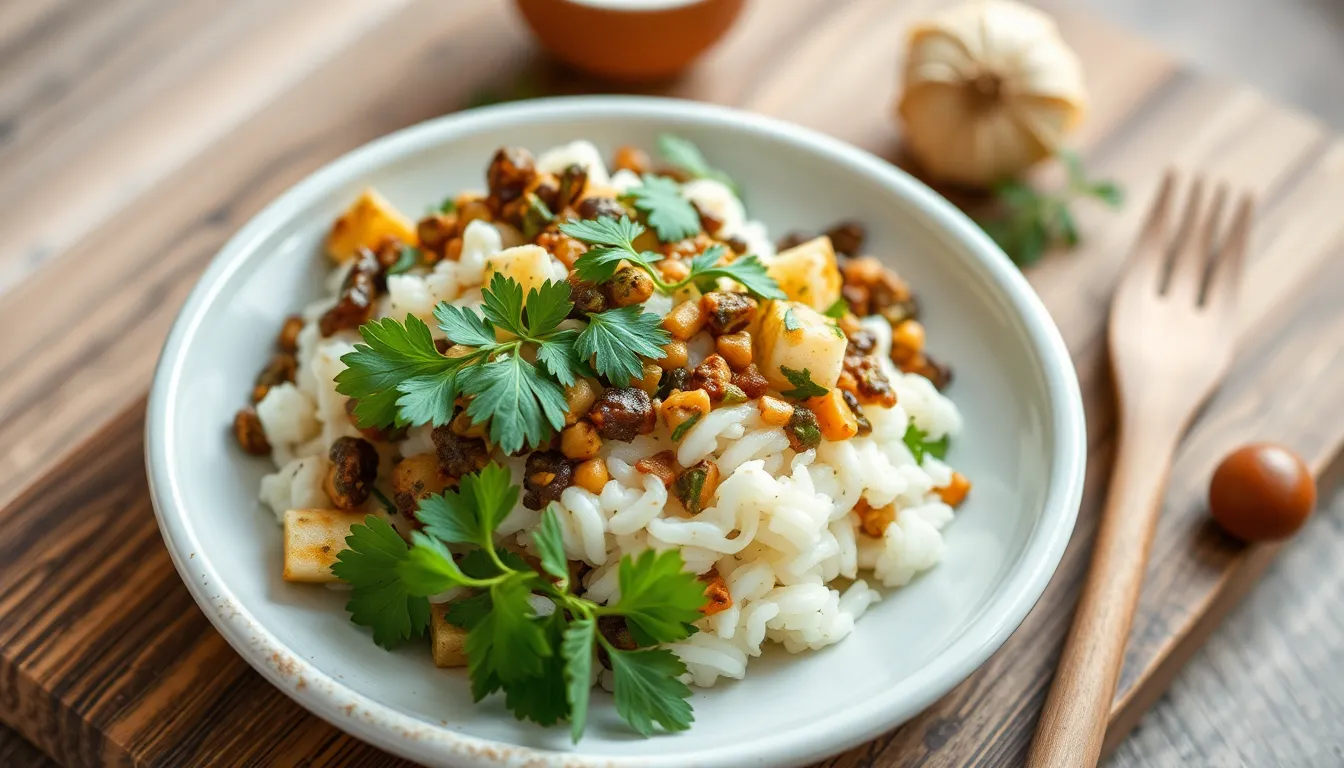
Dehydrating for Balanced Meals: Prep Ahead
In today’s fast-paced world, finding time to prepare balanced meals can be a challenge. One method that has gained popularity among savvy home cooks is dehydrating. Dehydrating not only preserves food but also creates convenient options for meal prepping. In this article, we will explore the ins and outs of dehydrating, from understanding the process to storing your dehydrated foods effectively, ensuring that you have balanced meals at your fingertips.
Section 1: Understanding Dehydration
1.1 What is Dehydration?
Dehydration is the process of removing moisture from food. This can be achieved through various methods such as air drying, sun drying, or using specialized dehydrators. The primary goal of dehydration is to inhibit the growth of bacteria, yeasts, and molds, which thrive in moist environments. Historically, dehydration was a preservation method used by ancient civilizations to store food for long periods, especially in times when fresh produce was scarce.
1.2 Benefits of Dehydrating Food
- Nutrient Preservation: Dehydrating food retains most of its nutritional value, making it an excellent option for preserving vitamins and minerals.
- Extended Shelf Life: Dehydrated foods can last for months or even years when stored properly, reducing food waste.
- Convenience for Meal Prepping: Dehydrated foods are lightweight and easy to store, making them excellent for meal prepping and on-the-go snacks.
Section 2: Equipment Needed for Dehydrating
2.1 Dehydrators vs. Oven
When it comes to dehydrating food, you can choose between a dedicated food dehydrator or an oven. Each method has its pros and cons:
| Method | Pros | Cons |
|---|---|---|
| Dehydrator |
|
|
| Oven |
|
|
When choosing the right equipment, consider your budget, how often you’ll dehydrate food, and your available space. If you plan to make dehydrating a regular practice, investing in a dehydrator may be worthwhile.
2.2 Essential Tools and Supplies
To get started with dehydrating, you’ll need some essential tools and supplies:
- Cutting board
- Sharp knife
- Food dehydrator or oven
- Storage containers (glass jars, vacuum-sealed bags)
- Parchment paper or silicone mats for easy cleanup
Optional items that can enhance your dehydrating experience include:
- Vacuum sealer for long-term storage
- Blanching pot for vegetables
- Infrared thermometer for monitoring food temperature
- Food processor for cutting uniform slices
Section 3: Preparing Foods for Dehydration
3.1 Choosing the Right Ingredients
Not all foods are created equal when it comes to dehydrating. Here’s a list of the best fruits, vegetables, and proteins to dehydrate:
- Fruits: Apples, bananas, strawberries, peaches, and berries.
- Vegetables: Carrots, bell peppers, zucchini, tomatoes, and spinach.
- Proteins: Chicken, beef, and fish.
Consider seasonal fruits and vegetables for the best flavor and freshness. Sourcing locally can also contribute to sustainable eating practices.
3.2 Prepping Ingredients
Preparation is key to successful dehydration. Here are some tips:
- Washing: Always wash your fruits and vegetables under running water to remove pesticides and dirt.
- Cutting: Slice foods into uniform pieces for even drying. Thinner slices generally dehydrate faster.
- Blanching: For vegetables, blanching (briefly boiling and then cooling) can help preserve color and texture.
Additionally, consider marinating or seasoning foods before dehydration to enhance flavor. For example, soak apple slices in lemon juice to prevent browning and add a zingy taste.
Section 4: The Dehydration Process
4.1 Step-by-Step Guide to Dehydrating
Follow these steps for successfully dehydrating your food:
- Preparation: Wash, cut, and optionally blanch your ingredients.
- Arrange: Place the prepared food on the dehydrator trays or baking sheets in an even layer, ensuring they’re not touching.
- Set the Temperature: Refer to the dehydration temperature chart below for specific guidelines.
- Monitor: Check the food periodically for doneness and adjust time as necessary.
- Cool Down: Once dehydrated, allow the food to cool before storing to prevent moisture buildup.
4.2 Dehydration Times and Temperatures
Here’s a quick reference table for dehydration times and temperatures of various foods:
| Food Item | Dehydration Time (Hours) | Temperature (°F) |
|---|---|---|
| Apples | 6-8 | 135 |
| Carrots | 6-10 | 125 |
| Chicken | 6-8 | 160 |
| Mushrooms | 4-6 | 130 |
| Tomatoes | 6-12 | 135 |
Make sure to follow these guidelines closely for the best results!
Section 5: Storing Dehydrated Foods
5.1 Best Practices for Storage
Proper storage is crucial for maintaining the quality and longevity of your dehydrated foods. Here are some best practices:
- Ideal Containers: Use airtight containers such as glass jars or vacuum-sealed bags to keep moisture out.
- Cool, Dark Place: Store your dehydrated foods in a cool, dark area away from direct sunlight to prevent degradation.
- Labeling: Always label your stored foods with the date and contents for easy identification.
For long-term storage, consider using a vacuum sealer to extend the shelf life of dehydrated foods significantly. This method removes air from the packaging, preventing oxidation and moisture buildup.
5.2 Rehydrating Dehydrated Foods
When it comes time to use your dehydrated foods, rehydration is simple:
- Soak fruits in water for 15-30 minutes.
- For vegetables, steam or boil briefly to restore texture.
- Proteins can be rehydrated by soaking in broth or water, followed by cooking in your preferred dish.
Conclusion
Dehydrating foods is an effective way to create balanced meals that are both nutritious and convenient. By investing a little time in preparation and understanding the drying process, you can ensure that you always have healthy meal options on hand. With the right equipment, techniques, and storage practices, you’re well on your way to mastering the art of dehydration. Happy dehydrating!