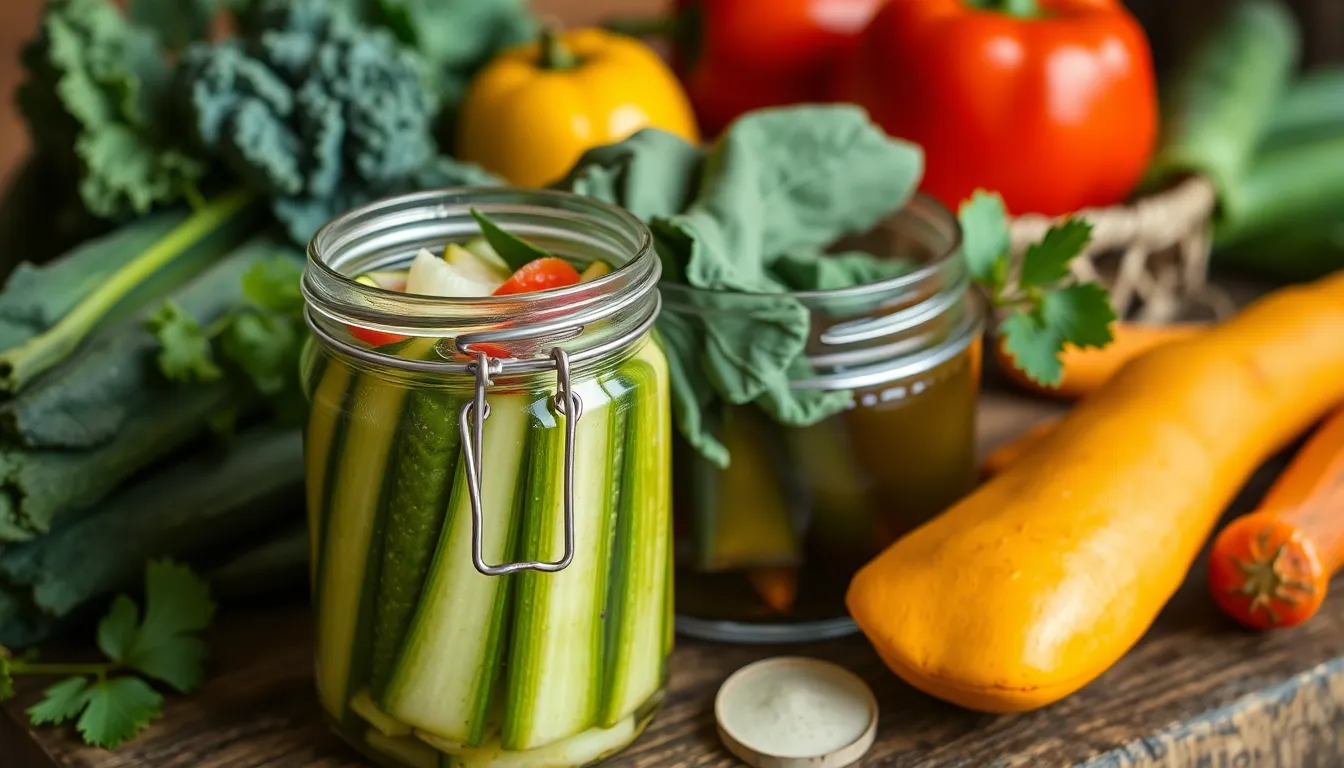
Dehydrating for a Healthy Lifestyle: Tips and Tricks
Introduction
Dehydrating food is a time-honored preservation method that has been practiced for centuries. It involves removing moisture from fruits, vegetables, herbs, and meats, extending their shelf life while retaining much of their flavor and nutritional value. As our world grows busier, the need for convenient yet nutritious food options becomes more pressing. Dehydrating food not only enables individuals to enjoy healthy snacks and meals but also helps combat food waste, making it an ideal solution for health-conscious consumers.
This article aims to provide you with a comprehensive guide to successfully dehydrate food at home. From understanding the science behind dehydration to tips for preparing and storing your dried foods, we will cover everything you need to know to embark on your dehydrating journey.
Section 1: Understanding Dehydration
Food dehydration refers to the process of removing water content from food to inhibit the growth of microorganisms and enzymes that cause spoilage. This method not only preserves food but also intensifies its flavor and nutritional profile, making it an ideal preservation technique.
The practice of dehydrating food dates back thousands of years, with ancient civilizations utilizing the sun’s heat to dry fruits and meats. Traditional methods often involved hanging food in the open air or placing it in smokehouses, while modern techniques have evolved into using electric dehydrators or ovens.
Scientifically, dehydration works by utilizing heat and airflow to evaporate moisture from the food. As the water evaporates, the concentration of sugars, vitamins, and minerals increases, resulting in a nutrient-dense product that can be stored for long periods without refrigeration.
Section 2: Benefits of Dehydrating Food
Dehydrating food offers multiple benefits that make it an attractive option for preserving your favorite foods.
Nutritional Advantages
- Concentration of Nutrients: The dehydration process concentrates the flavors and nutrients found in fruits and vegetables, making them even more beneficial when consumed.
- Retention of Vitamins and Minerals: Unlike canning, where nutrients can leach into the liquid, dehydrated foods maintain most of their vitamins and minerals.
Economic Benefits
- Reducing Food Waste: Dehydrating allows you to save excess fruits and vegetables from spoiling, maximizing your grocery investments.
- Cost-saving on Groceries: By preserving seasonal or bulk-purchased produce, you can save money and reduce trips to the store.
Convenience
- Lightweight and Portable Snacks: Dehydrated foods make excellent travel companions, providing a nutritious energy boost without the bulk.
- Long Shelf Life: Dried foods can last for months or even years when stored correctly, making them ideal for emergency preparedness or outdoor adventures.
Section 3: Essential Equipment for Dehydrating
Before you begin dehydrating, it’s crucial to have the right equipment on hand. Let’s explore the types of dehydrators, necessary tools, and optional gadgets.
Overview of Dehydrators
- Types of Dehydrators:
- Electric: Provides consistent heat and airflow, perfect for beginners.
- Solar: Uses sunlight to dehydrate food, an eco-friendly option for those in sunny climates.
- Oven: A multi-purpose tool that can be used for dehydrating foods at home if a dehydrator is not available.
Necessary Tools and Accessories
- Cutting boards
- Sharp knives
- Storage containers (preferably airtight)
Optional Gadgets for Enhanced Results
- Vacuum sealers for airtight storage
- Silicone mats to prevent sticking during the drying process
Comparison of Dehydrator Types
| Dehydrator Type | Pros | Cons | Price Range |
|---|---|---|---|
| Electric | Consistent heat | Requires electricity | $50 – $300 |
| Solar | Energy-efficient | Weather dependent | $100 – $500 |
| Oven | Multi-purpose | Less efficient | $0 (if already owned) |
Section 4: Preparing Food for Dehydration
Preparation is critical for successful dehydrating. Choosing the right foods and prepping them correctly can significantly affect the outcome.
Choosing the Right Foods
- Fruits: Apples, bananas, strawberries, and mangoes are popular choices.
- Vegetables: Carrots, zucchini, and bell peppers work well.
- Herbs: Basil, parsley, and thyme can be easily dehydrated.
- Meats: Jerky can be made from beef, turkey, or even salmon.
Pre-treatment Methods
- Blanching Vegetables: Briefly boiling vegetables before drying can help retain color and nutrients.
- Soaking Fruits: Soaking fruits in lemon juice or saltwater prevents browning and enhances flavor.
Cutting Techniques for Uniform Drying
Consistent cutting ensures that all pieces dry at the same rate. Aim for uniform thickness, typically around 1/4 inch for fruits and vegetables.
Section 5: Dehydrating Process
Now that you’ve prepared your food, it’s time to start the dehydrating process. Follow these steps for the best results.
Step-by-Step Guide to Dehydrating Food
- Setting Up the Dehydrator: Arrange the food on the dehydrator trays, ensuring enough space for air circulation.
- Temperature and Time Guidelines:
- Fruits: 135°F (57°C) for 6-12 hours
- Vegetables: 125°F (52°C) for 4-12 hours
- Meats: 160°F (71°C) for 6-10 hours
Tips for Checking for Doneness
Check for doneness by testing the texture. Dried fruits should be pliable and not sticky, vegetables should be crisp, and jerky should be leathery but not brittle.
Common Mistakes to Avoid
- Overcrowding trays, which can lead to uneven drying.
- Failing to pre-treat foods, which can affect taste and preservation.
- Not checking for doneness regularly, leading to under- or over-drying.
Section 6: Storing Dehydrated Foods
Proper storage of dehydrated foods is essential for maintaining their quality and shelf life.
Best Practices for Storage
- Airtight Containers: Store dried foods in airtight containers or vacuum-sealed bags to prevent moisture from re-entering.
Ideal Storage Conditions
Store dehydrated foods in a cool, dark place with low humidity to prolong their shelf life. Avoid areas exposed to heat or direct sunlight.
Shelf Life of Different Dehydrated Foods
| Food Type | Shelf Life |
|---|---|
| Fruits | 1-2 years |
| Vegetables | 1-2 years |
| Herbs | 1-3 years |
| Meats | 1 year |
Section 7: Creative Uses for Dehydrated Foods
Once you’ve successfully dehydrated your food, the fun can really begin. Here are some creative ways to incorporate dehydrated foods into your diet.
Snacking Ideas
- Trail Mix: Combine dried fruits, nuts, and seeds for a nutritious on-the-go snack.
- Chips: Dehydrate thin slices of vegetables like kale or sweet potatoes for a healthy chip alternative.
- Jerky: Enjoy homemade jerky as a protein-packed snack.
Incorporating into Meals
- Soups: Add rehydrated vegetables to soups for added flavor and nutrition.
- Stews: Use dried meats and vegetables in hearty stews.
- Salads: Sprinkle dehydrated herbs or fruits onto salads for an extra burst of flavor.
Dehydrated Spices and Herbs
Dehydrated herbs and spices can elevate your cooking. Use them to season dishes or infuse oils for added flavor.
Section 8: Conclusion
In summary, dehydrating food is a practical and healthy way to preserve the flavors and nutrients of your favorite ingredients. From the nutritional and economic benefits to the convenience of portable snacks, the advantages of dehydrating are numerous.
We encourage you to try dehydrating at home and experiment with different foods and techniques. Share your experiences and favorite recipes in the comments below — we’d love to hear from you!
Additional Resources
- Recommended Books:
- The Dehydrator Bible by Ellen Easton
- Preserving Food Without Freezing or Canning by The Gardeners and Farmers of Terre Vivante
- Websites:
- https://ift.tt/HKgjUcx
- www.dehydrate2store.com
- Product Reviews:
- Best Electric Dehydrators of 2023
- Top Solar Dehydrators Reviewed
Final Thoughts
Dehydrating food opens up a world of culinary possibilities while promoting a healthier lifestyle. With the right tools, techniques, and creativity, you can enjoy delicious and nutritious snacks and meals made from your dehydrated favorites. Happy dehydrating!