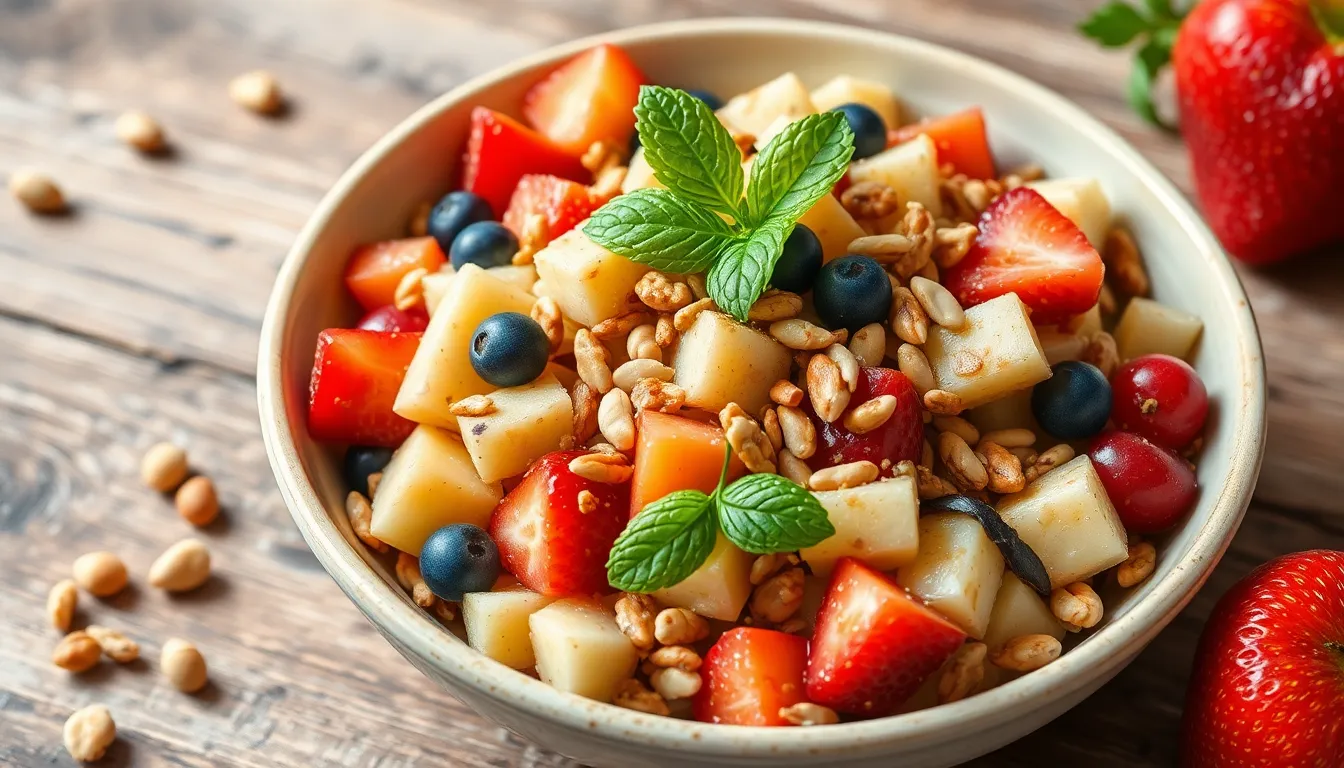
Dehydrating for a Healthy Lifestyle: Snacks and Meals
In a world where convenience often trumps nutrition, dehydrating food is a timeless technique that allows us to enjoy healthy snacks and meals while maintaining the integrity of their nutrients. With roots dating back to ancient civilizations, food dehydration has evolved into a popular method of preserving a variety of ingredients, enhancing flavors, and creating versatile additions to our diets. In this blog post, we will explore the essentials of dehydrating food, the equipment you’ll need, preparation tips, techniques, and offers creative ways to incorporate these dehydrated delights into your daily meals.
Understanding Dehydration
What is Dehydrating?
Dehydrating is the process of removing moisture from food to inhibit the growth of bacteria, yeasts, and molds. The dehydration process can be done in several ways, including air drying, sun drying, and using food dehydrators or ovens. This ancient method of food preservation has been used for centuries, allowing civilizations to store food for long periods, especially in times of scarcity.
Benefits of Dehydrating Food
- Nutritional retention: Dehydrated foods retain most of their vitamins and minerals, making them a healthy choice compared to processed snacks.
- Long shelf life: Removing moisture from food significantly extends its shelf life, making it perfect for emergencies or storing seasonal produce.
- Portability and convenience: Dehydrated foods are lightweight and easy to pack for travel, hiking, or on-the-go snacking.
Equipment Needed for Dehydrating
Essential Tools
To successfully dehydrate food, you’ll need some essential tools:
- Food Dehydrator or Oven: A dedicated food dehydrator is the most efficient option, but you can also use your oven set to a low temperature.
- Cutting Boards: For prepping fruits, vegetables, and meats.
- Knives: A good-quality knife is essential for slicing food uniformly.
- Storage Containers: Airtight containers or vacuum-sealed bags are ideal for storing dehydrated foods.
Recommended Dehydrators
Here are a few popular dehydrator models you might consider:
| Model | Features | Price Range |
|---|---|---|
| Excalibur Dehydrator | 9 trays, adjustable thermostat, and timer | $250 – $350 |
| Nesco Snackmaster Pro | Adjustable temperature and multiple trays | $50 – $100 |
| Hamilton Beach Dehydrator | Stackable trays, affordable, and compact | $40 – $70 |
Preparing Ingredients for Dehydration
Selecting the Right Foods
Not all foods are suitable for dehydration. Here are some of the best options:
- Fruits: Apples, bananas, strawberries, and mangoes.
- Vegetables: Zucchini, bell peppers, carrots, and green beans.
- Meats: Chicken, beef, and fish can be dehydrated for jerky.
Consider seasonal availability when selecting ingredients to ensure freshness and optimal flavor.
Prepping Food for Dehydration
Proper preparation is key to successful dehydration:
- Cleaning: Wash all fruits and vegetables thoroughly under running water.
- Slicing: Cut food into uniform pieces to ensure even drying.
- Optional pre-treatment: Some foods benefit from blanching or soaking in a solution (like lemon juice) to prevent browning and improve flavor.
Dehydrating Techniques
Step-by-Step Dehydration Process
Here’s a simple guide to dehydrating various foods:
- Prepare Your Food: Clean, slice, and pre-treat your ingredients as needed.
- Arrange on Trays: Lay the food slices on the dehydrator trays or baking sheets in a single layer, ensuring they don’t touch.
- Set the Temperature: For most fruits, set the dehydrator to around 135°F (57°C); for vegetables, about 125°F (52°C); and for meats, around 160°F (71°C).
- Drying Time: Depending on the food and method, drying can take anywhere from 4 to 12 hours. Check periodically for desired texture.
- Cool and Store: Once dehydrated, let the food cool before transferring it to airtight containers.
Common Mistakes to Avoid
To achieve the best results, be aware of these common dehydration pitfalls:
- Over-drying: Monitor your food closely to prevent it from becoming too brittle.
- Under-drying: Insufficient drying can lead to spoilage and mold when stored.
- Improper storage: Always store dehydrated foods in airtight containers in a cool, dark place.
Creative Uses for Dehydrated Foods
Snacks
Dehydrated foods make for excellent snacks. Here are some ideas:
- Dehydrated Fruit Snacks: Create your own trail mix with dehydrated fruits, nuts, and seeds.
- Vegetable Chips: Dehydrate vegetables like kale and sweet potatoes for a crunchy snack.
Meals
Incorporating dehydrated ingredients into meals can elevate your cooking:
- Soups and Stews: Add dehydrated vegetables to your soups for added nutrition and flavor.
- Pasta Dishes: Use dehydrated herbs and tomatoes to create flavorful sauces.
Sample Meal Ideas and Recipes
Below is a table with some snack and meal ideas that utilize dehydrated ingredients:
| Type | Dehydrated Ingredient | Recipe/Serving Idea |
|---|---|---|
| Snack | Dehydrated Banana Chips | Banana Oatmeal Energy Bites |
| Snack | Dehydrated Kale | Kale Chips with Nutritional Yeast |
| Meal | Dried Tomatoes | Sun-Dried Tomato Pasta |
| Meal | Dehydrated Mushrooms | Mushroom Risotto |
Conclusion
Dehydrating food is an excellent way to promote a healthy lifestyle without sacrificing flavor or nutrition. By understanding the dehydration process, utilizing the right tools, and preparing ingredients effectively, you can create delicious snacks and meals that suit your dietary needs. Whether you’re looking for on-the-go snacks or ways to enhance your home-cooked meals, dehydrated foods are a versatile and healthful addition to your culinary repertoire. Embrace the art of dehydration and discover the endless possibilities it brings to your kitchen!