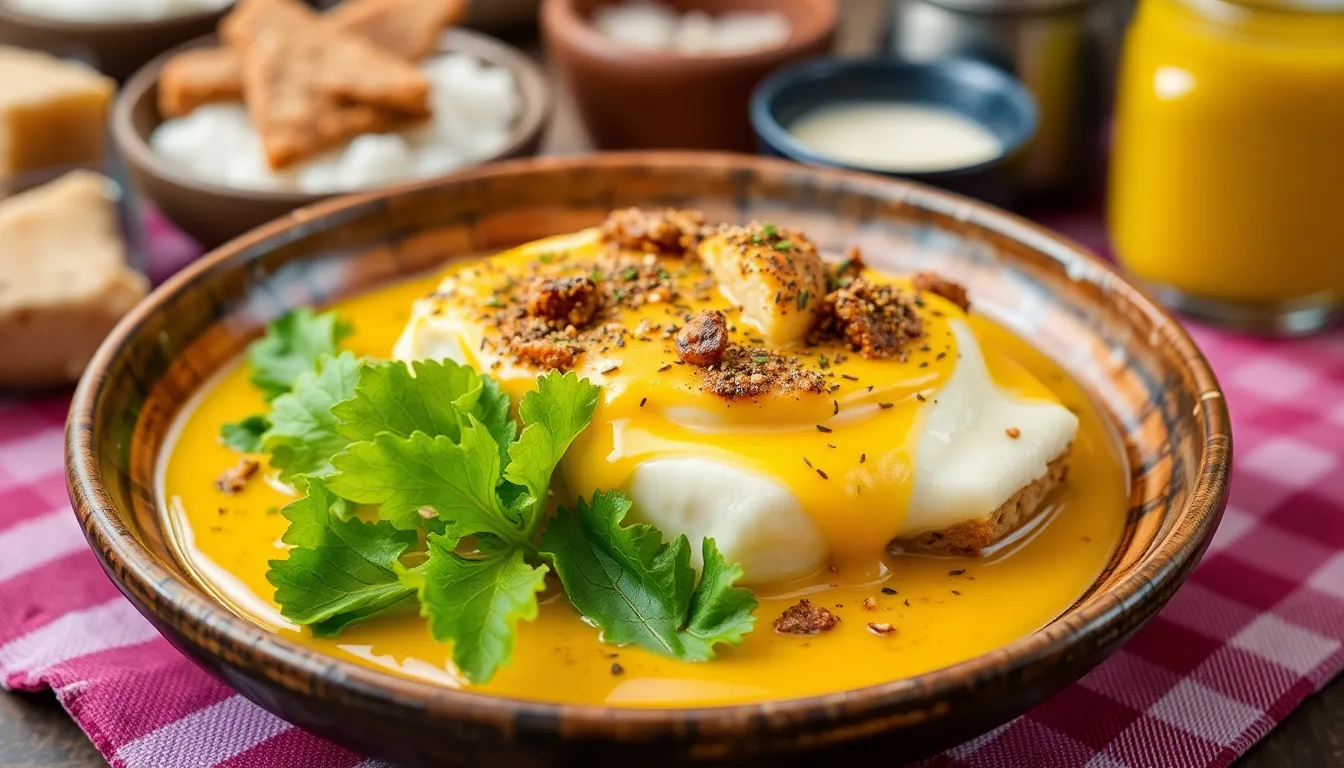
Dairy in African Cuisine: Unique Dishes to Discover
Introduction
Dairy plays a significant role in various African cuisines, offering not just essential nutrients but also a rich tapestry of flavors and traditions. From creamy yogurts in East Africa to rich cheese varieties in North Africa, dairy is woven into the daily lives of many communities across the continent. This post will explore the diversity of dairy products used in Africa, the unique dishes that highlight them, and the nutritional and cultural significance behind these culinary treasures.
Section 1: The Diversity of Dairy Products in Africa
1.1 Types of Dairy Used
In Africa, dairy products vary widely from region to region, influenced by local livestock, climatic conditions, and cultural preferences. Here are some common dairy products found across the continent:
- Milk: Cow, goat, and camel milk are widely consumed. In many communities, fresh milk is a staple, while fermented milk is also popular.
- Yogurt: Commonly made from cow or goat milk, yogurt often serves as a refreshing accompaniment to meals.
- Cheese: Varieties like Feta in North Africa and Wara in West Africa showcase the diversity of cheese in African cuisine.
Regional variations can be significant. For instance, while camel milk is a delicacy in the Horn of Africa, cow’s milk is predominant in West Africa.
1.2 Cultural Significance
Dairy is not just a source of nutrition; it is deeply integrated into cultural practices and celebrations. For instance, in many communities, the act of milking cows is a ceremonial practice that symbolizes wealth and prosperity. Traditional practices surrounding dairy production, such as the fermentation of milk to create products like laban (fermented yogurt), are often passed down through generations. Furthermore, dairy is a common feature in communal gatherings and festivals, serving as a symbol of hospitality and abundance.
Section 2: Unique Dairy Dishes from Different Regions
2.1 North Africa
North African cuisines are rich with dairy, often used in both savory and sweet dishes.
Dish Example: Moroccan Amlou
Amlou is a traditional Moroccan spread made from ground almonds, argan oil, and honey, often enjoyed with bread.
- Ingredients: Almonds, argan oil, honey, salt.
- How it is traditionally served: Amlou is typically served at breakfast with bread or as a dip during snack time.
Dish Example: Egyptian Dukkah with Yogurt
Dukkah is a fragrant mix of nuts and spices, commonly paired with yogurt for a delicious dip.
- Ingredients: Nuts (usually hazelnuts or almonds), seeds, spices, and yogurt.
- Cultural context: Serving dukkah with yogurt is a popular way to welcome guests, showcasing the importance of hospitality in Egyptian culture.
2.2 West Africa
West African cuisine embraces dairy in various unique ways.
Dish Example: Nigerian Ofe Nsala with Goat Milk
Ofe Nsala is a traditional Igbo soup known for its rich flavors and unique ingredients.
- Ingredients: Goat meat, yam, spices, and goat milk.
- Cooking method and variations: The soup is thickened with pounded yam and is often served with rice or fufu, offering a creamy texture from the goat milk.
Dish Example: Ghanaian Chilled Fufu with Milk
Fufu is a staple dish made from cassava and plantains, often served chilled with milk for a refreshing meal.
- Ingredients: Cassava, plantains, and milk (either cow’s or goat’s).
- Serving suggestions: Chilled fufu pairs well with a variety of soups or can be enjoyed simply with milk.
2.3 East Africa
In East Africa, dairy is widely consumed, often in fermented forms.
Dish Example: Kenyan Mukimo with Buttermilk
Mukimo is a traditional Kikuyu dish made from mashed potatoes, vegetables, and sometimes meat, served with a side of buttermilk.
- Ingredients: Potatoes, green vegetables, meat (optional), and buttermilk.
- Significance in Kenyan culture: Mukimo is often served during celebrations and family gatherings, emphasizing its role in community bonding.
Dish Example: Tanzanian Uji with Yogurt
Uji is a porridge made from various grains, often enriched with yogurt for added flavor and nutrition.
- Ingredients: Maize or millet flour, water, and yogurt.
- Nutritional benefits: Uji is high in fiber and probiotics, making it a vital part of a healthy diet.
2.4 Southern Africa
Southern African cuisines also celebrate dairy in delightful ways.
Dish Example: South African Biltong with Cheese
Biltong is a cured meat that pairs wonderfully with cheese, creating a savory snack.
- Ingredients: Dried, spiced meat (usually beef or game) and cheese.
- Pairing suggestions: Enjoy biltong with a slice of cheddar or feta for an indulgent treat.
Dish Example: Malva Pudding with Cream
This sweet, spongy dessert is often served warm with a generous pour of cream.
- Ingredients: Apricot jam, sugar, flour, and cream.
- How it is enjoyed during festivities: Malva pudding is a favorite at celebrations, often served alongside other traditional desserts.
Section 3: Nutritional Benefits of Dairy in African Cuisine
3.1 Health Benefits
Dairy is a powerhouse of nutrition, providing essential vitamins and minerals, such as calcium, vitamin D, and protein. It plays a crucial role in supporting bone health, muscle development, and overall bodily functions. In Africa, where many diets are heavily reliant on carbohydrates, dairy serves as an invaluable source of additional nutrients, enhancing the overall health of communities.
3.2 Sustainable Practices
Local dairy farming practices are vital in many African countries, promoting sustainability and supporting local economies. Traditional methods of dairy production often use minimal resources and have a lower environmental impact compared to industrial farming. By supporting local dairy farmers, consumers can help sustain these practices and contribute to the community’s well-being.
Section 4: Recipes to Try at Home
4.1 Simple Recipes Featuring Dairy
Recipe 1: Homemade Amlou
Ingredients:
- 1 cup almonds
- 1/2 cup argan oil (or olive oil)
- 1/3 cup honey
- Pinch of salt
Instructions:
- Toast the almonds in a pan until golden brown.
- Blend the almonds until they form a paste.
- Add argan oil, honey, and salt; blend until smooth.
- Serve with bread or use as a dip.
Recipe 2: Easy Ofe Nsala
Ingredients:
- 500g goat meat
- 2 cups water
- 1 large yam (peeled and cubed)
- 1 cup goat milk
- Spices (salt, pepper, and any preferred herbs)
Instructions:
- Boil the goat meat in water until tender.
- In a separate pot, boil the yam until soft, then mash.
- Add the mashed yam to the goat meat and stir.
- Pour in the goat milk, season, and simmer for 10 minutes.
- Serve hot with rice or fufu.
Recipe 3: Creamy Mukimo
Ingredients:
- 4 large potatoes
- 2 cups green vegetables (like spinach or pumpkin leaves)
- 1 cup cooked meat (optional)
- 1 cup buttermilk
Instructions:
- Boil the potatoes until soft, then drain and mash.
- In a pot, mix the mashed potatoes and vegetables until well combined.
- Add the buttermilk and stir until creamy.
- Serve warm, optionally with a side of meat.
4.2 Tips for Incorporating Dairy in Everyday Cooking
Incorporating dairy into your daily meals can enhance flavor and nutrition. Here are some tips:
- Pair dairy with staples: Use yogurt as a base for dressings or dips, or add cheese to vegetable dishes for added richness.
- Create fusion dishes: Experiment with traditional recipes by incorporating dairy elements; for example, adding a yogurt sauce to grilled meats or pairing cheese with local vegetables.
- Explore local markets: Seek out fresh, local dairy products to support farmers and enjoy authentic flavors.
Section 5: Conclusion
Dairy is an integral part of African cuisine, enhancing flavors, traditions, and nutritional profiles across the continent. By exploring unique dairy dishes from various regions, you not only experience rich cultural practices but also contribute to the sustainability of local economies. We encourage you to try out these recipes and share your experiences or personal twists on traditional dishes, as the journey of exploring African cuisine is filled with vibrant flavors and inspiring stories.
| Region | Unique Dairy Dish | Main Ingredients | Cultural Significance |
|---|---|---|---|
| North Africa | Moroccan Amlou | Almonds, argan oil, honey | Traditional breakfast spread |
| West Africa | Nigerian Ofe Nsala | Goat meat, yam, goat milk | Celebratory dish in Igbo culture |
| East Africa | Kenyan Mukimo | Potatoes, vegetables, buttermilk | Served during family gatherings |
| Southern Africa | South African Biltong with Cheese | Dried meat, cheese | Popular snack during gatherings |