body {
font-family: Arial, sans-serif;
line-height: 1.6;
margin: 20px;
}
h1, h2, h3 {
color: #2E8B57;
}
ul {
margin: 10px 0;
}
table {
width: 100%;
border-collapse: collapse;
margin: 20px 0;
}
th, td {
border: 1px solid #ccc;
padding: 10px;
text-align: left;
}
th {
background-color: #f2f2f2;
}
Creative Fruit Garnishes: Make Your Dishes Stand Out
Introduction
Garnishes are often the finishing touch that elevates a dish from ordinary to extraordinary. They add flair, color, and a sense of completeness to the meal. Among the various types of garnishes, fruit garnishes stand out for their vibrant colors and natural sweetness, enhancing both the presentation and the flavor of dishes.
This article aims to provide you with creative ideas and techniques for incorporating fruit garnishes into your culinary creations. From basics to advanced techniques, we will explore how to make your dishes not only taste great but also look spectacular.
Section 1: The Basics of Fruit Garnishing
1.1 What Makes a Good Garnish?
A good garnish should enhance the dish without overpowering it. When it comes to fruit garnishes, consider the following:
- Color: Bright, contrasting colors can make a dish visually appealing.
- Texture: Combining different textures (crunchy, soft, juicy) adds interest.
- Flavor Balance: The garnish should complement the dish’s flavors, providing a balance of sweetness, acidity, and freshness.
- Size and Shape: The size and shape of the garnish should be proportionate to the dish. A small dish may require smaller garnishes, while a large dish can handle more substantial pieces.
1.2 Choosing the Right Fruits
When it comes to choosing fruits for garnishing, consider a mix of colors, flavors, and textures. Here are some fruits that work well:
- Berries: Strawberries, blueberries, raspberries, and blackberries add vibrant colors and provide a sweet-tart flavor.
- Citrus: Lemons, limes, and oranges bring bright colors and zesty flavors, perfect for both sweet and savory dishes.
- Melons: Watermelon and cantaloupe are refreshing and hydrating, offering a juicy contrast to richer foods.
- Exotic fruits: Kiwi, dragon fruit, and starfruit can add visual appeal along with unique flavors.
When selecting fruits, always opt for fresh and ripe options. Look for fruits that are firm to the touch and free from blemishes.
1.3 Tools You’ll Need
To create beautiful fruit garnishes, you don’t need an extensive toolkit. Here are some basic kitchen tools that will help you:
- Sharp Knife: Essential for making clean cuts and shaping fruits.
- Melon Baller: Great for scooping out perfect balls of melon or other soft fruits.
- Zester: Useful for adding citrus zest, enhancing the aroma and flavor of your dishes.
- Paring Knife: Ideal for intricate cutting and peeling tasks.
Section 2: Creative Techniques for Fruit Garnishes
2.1 Simple Cuts and Shapes
Creating fruit garnishes can be as simple as making a few cuts. Here are some basic techniques:
| Technique | Description | Best Used For |
|---|---|---|
| Slices | Thin, round pieces of fruit. | Decorating plates or layering in desserts. |
| Wedges | Triangular sections cut from round fruits. | Garnishing drinks or serving with cheese platters. |
| Curls | Long, thin strips of peel or flesh. | Adding a whimsical touch to desserts or cocktails. |
| Spirals | Long spirals created by peeling fruits. | Enhancing the visual appeal of cakes and salads. |
| Edible Flowers | Small, decorative flowers that are safe to eat. | Creating a stunning garnish for desserts and salads. |
2.2 Advanced Techniques
If you’re ready to take your garnishing skills to the next level, consider these advanced techniques:
- Carving: Transform fruits into intricate shapes, such as swans from pears or flowers from watermelon. This technique requires patience and practice, but the results can be breathtaking.
- Fruit Ribbons: Use a vegetable peeler to create thin, long strips of fruit that can be curled or layered for stunning visual effects.
- Fruit Ice Cubes: Freeze pieces of fruit inside ice cubes for a refreshing addition to drinks. This not only looks attractive but also infuses flavor as the ice melts.
2.3 Layering and Stacking
Layering and stacking fruits can create a beautiful presentation. Here are some tips:
- Fruit Towers: Use toothpicks or skewers to create towers of different fruits, alternating colors and textures for maximum visual impact.
- Fruit Skewers: Prepare skewers of assorted fruits for a colorful appetizer or dessert option.
- Layering in Glasses: Layer fruit pieces with yogurt or cream in clear glasses to create a beautiful dessert that showcases the vibrant colors.
Section 3: Pairing Fruit Garnishes with Dishes
3.1 Fruit Garnishes for Sweet Dishes
Fruit garnishes can enhance desserts in delightful ways. Here are some ideas:
- Chocolate-Covered Strawberries: A classic pairing that combines sweetness with a touch of luxury.
- Fruit Tarts: Use fresh fruit to crown a creamy tart, adding color and freshness.
- Whipped Cream and Berries: A simple yet elegant way to elevate desserts by adding a pop of color and flavor.
When pairing fruits with sweet dishes, balance is key. Aim to combine sweet fruits with those that offer some acidity, enhancing the overall flavor profile.
3.2 Fruit Garnishes for Savory Dishes
Fruits can also complement savory meals beautifully. Here are some suggestions:
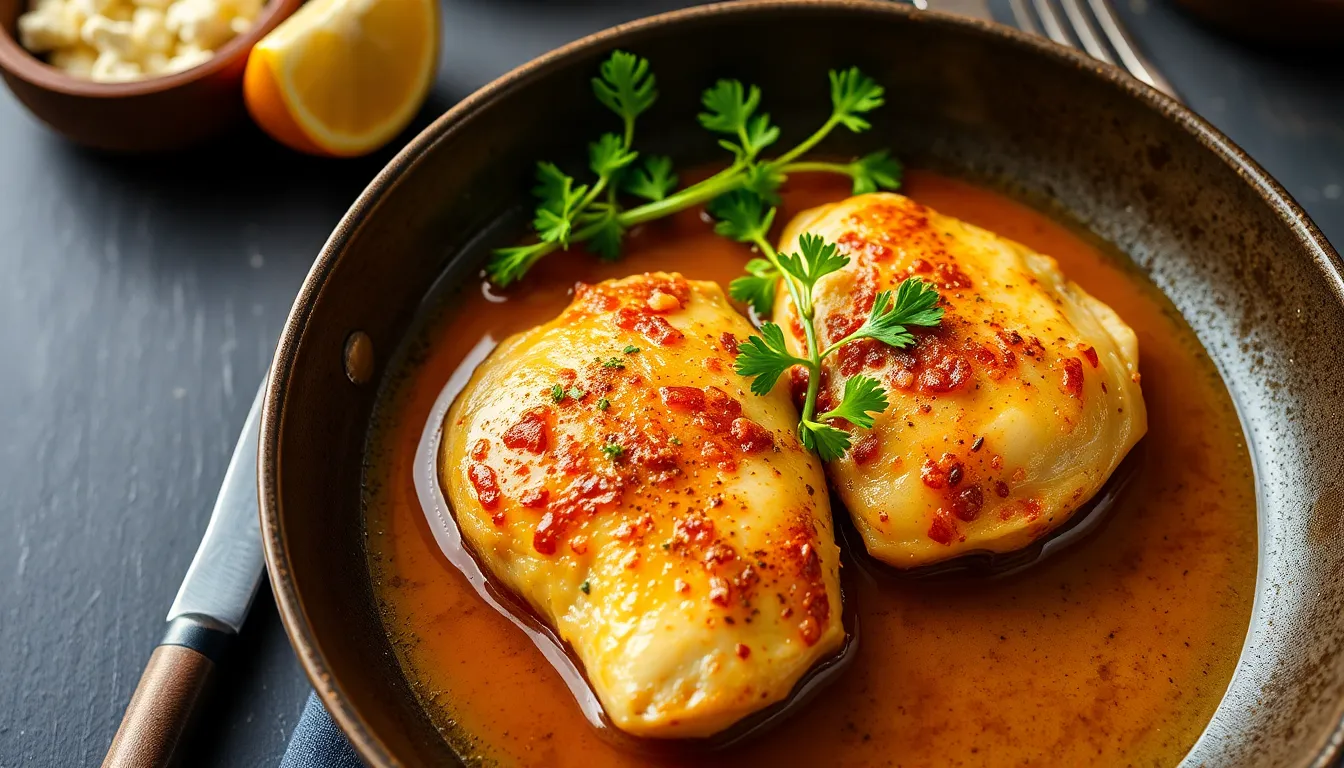
- Citrus with Fish: Lemon or lime wedges can enhance the flavors of grilled fish.
- Mango Salsa: Fresh mango combined with cilantro and lime adds a tropical twist to grilled meats or tacos.
- Pineapple and Ham: This classic pairing brings together sweet and savory flavors, perfect for a summer barbecue.
Herbs also play a crucial role in enhancing the flavors of fruit garnishes. Consider adding fresh herbs like mint or basil to your fruit-based garnishes for an extra layer of flavor.
Section 4: Seasonal and Thematic Garnishes
4.1 Seasonal Fruit Options
Using seasonal fruits can enhance the freshness and flavor of your dishes. Here are some fruits that are generally in season:
- Spring: Strawberries, cherries, and rhubarb.
- Summer: Peaches, berries, and melons.
- Fall: Apples, pears, and figs.
- Winter: Citrus fruits like oranges and grapefruits.
Incorporating seasonal fruits into your garnishes not only enhances flavor but also supports local agriculture and reduces carbon footprints.
4.2 Thematic Garnishes for Holidays and Events
Creative fruit garnishes can add a festive touch to holiday celebrations. Here are some ideas:
- Thanksgiving: Use apple slices arranged in a fan shape or cranberry sauce as a colorful garnish.
- Summer BBQs: Citrus slices or watermelon stars can brighten up the table.
- Christmas: Poinsettia-inspired fruit arrangements using strawberries and mint leaves.
Conclusion
Incorporating creative fruit garnishes into your dishes can significantly enhance their presentation and flavor. Whether it’s a simple slice of lemon on a fish dish or an intricate carved watermelon centerpiece, the possibilities are endless. We encourage you to experiment with different fruits, techniques, and pairings to make your culinary creations truly stand out. Happy garnishing!