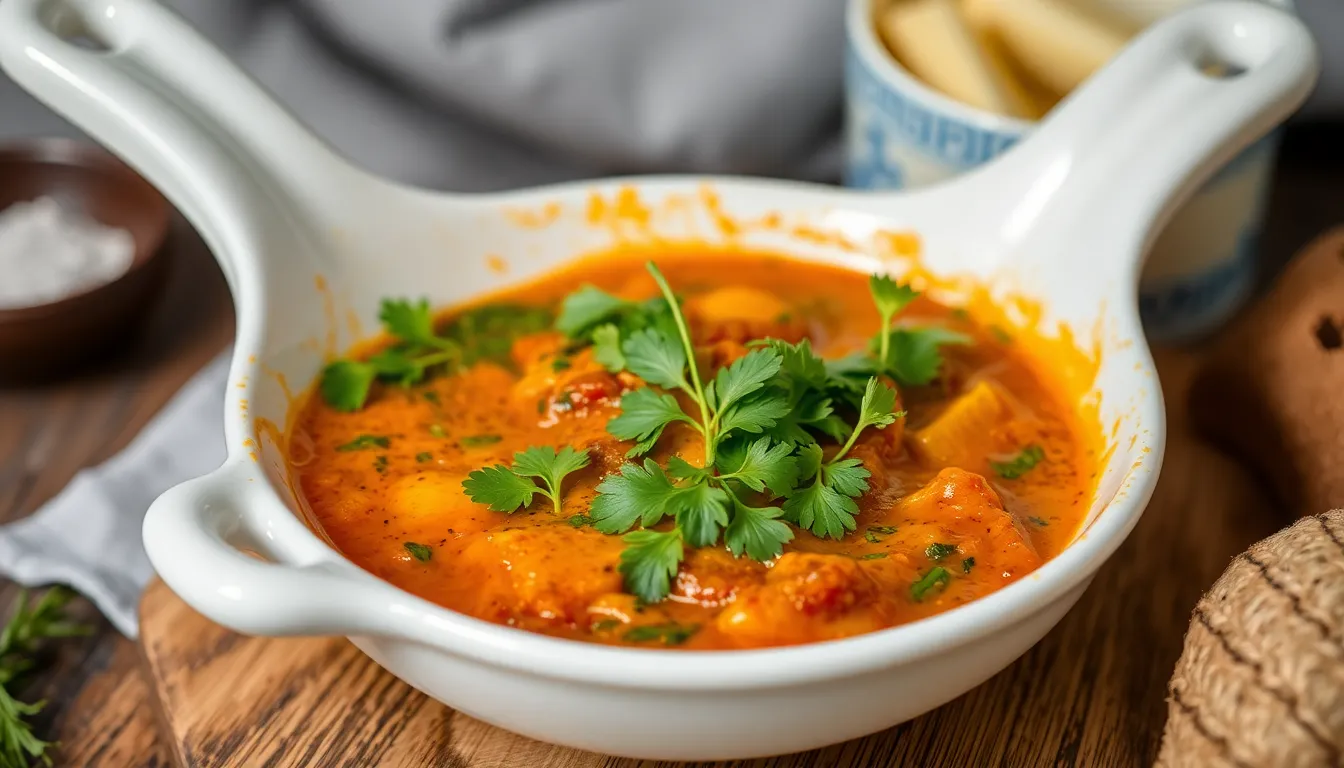
Cooking with Herbs: How to Incorporate Them into Sauces
Herbs are nature’s flavor boosters, transforming a simple dish into a culinary masterpiece. They have been used for centuries, not just for flavor, but also for their health benefits. Fresh herbs, in particular, can add a burst of taste, aroma, and vibrant color to sauces, elevating them from basic to extraordinary. In this article, we will explore how to effectively incorporate herbs into your sauces, ensuring they bring out the best in your cooking.
Section 1: Understanding Herbs
What are Culinary Herbs?
Culinary herbs are the leaves, seeds, or flowers of plants that are used to enhance the flavor of food. Unlike spices, which are derived from other parts of the plant (like roots, bark, or seeds), herbs primarily come from the green foliage. Some common examples include basil, thyme, parsley, and cilantro. These herbs not only impart flavor but also hold a variety of health benefits, making them a staple in kitchens worldwide.
Common Culinary Herbs and Their Flavor Profiles
| Herb | Flavor Profile | Best Pairs |
|---|---|---|
| Basil | Sweet, peppery | Pesto, marinara |
| Thyme | Earthy, minty | Bechamel, vinaigrette |
| Oregano | Pungent, warm | Pizza sauce, tomato sauce |
| Parsley | Fresh, slightly peppery | Chimichurri, salsa verde |
| Cilantro | Citrusy, fresh | Pico de gallo, curry sauce |
Section 2: Choosing the Right Herb for Your Sauce
Factors to Consider
When selecting herbs for your sauces, keep in mind the type of sauce you are preparing and the dish it will accompany. Here are some factors to consider:
- Sauce Type: Different sauces have varying flavor profiles. For instance, creamy sauces pair well with herbs like thyme and parsley, while tomato-based sauces complement basil and oregano.
- Dish Pairing: Consider the main dish. For grilled meats, robust herbs like rosemary and sage can enhance the flavors, while lighter herbs like cilantro are perfect for seafood dishes.
Fresh vs. Dried Herbs
The choice between fresh and dried herbs can significantly impact the flavor of your sauce:
- Fresh Herbs: Best used in the final stages of cooking to preserve their bright flavors. They tend to have a more delicate taste and should be chopped or minced just before use.
- Dried Herbs: Have a more concentrated flavor, making them suitable for long cooking processes. Use them at the start of cooking to allow their flavors to meld into the sauce.
As a rule of thumb, when substituting dried herbs for fresh, use one-third of the amount. For example, if a recipe calls for 1 tablespoon of fresh herbs, use 1 teaspoon of dried herbs.
Section 3: Techniques for Incorporating Herbs into Sauces
Chopping and Mincing Herbs
The way you prepare herbs can influence their flavor release. Here are some best practices:
- Use a sharp knife for chopping to prevent bruising the leaves.
- For stronger flavor release, finely mince the herbs rather than just chopping them.
- Consider using a mortar and pestle to create a paste, which can intensify the flavor and aroma.
Infusing Oils and Liquids
Infusing oils or liquids with herbs can create deeply flavored bases for sauces. Here’s how to do it:
- Choose your herb (e.g., basil, rosemary, or thyme).
- In a saucepan, heat your choice of oil or liquid over low heat.
- Add the herbs and let them simmer gently for about 10-15 minutes, allowing the flavors to meld.
- Strain the mixture through a fine sieve to remove the herbs, and use the infused oil or liquid as a base for your sauce.
Making Herb Pastes
An herb paste is a versatile way to incorporate flavor into your sauces. Here’s a simple recipe:
Herb Paste Recipe
- Ingredients:
- 1 cup fresh herbs (e.g., parsley, basil, cilantro)
- 2-3 cloves garlic
- 1/4 cup olive oil
- Salt and pepper to taste
- In a food processor, combine the herbs, garlic, and olive oil.
- Blend until smooth, then season with salt and pepper.
- This paste can be stirred into sauces, marinades, or used as a topping for meats and vegetables.
Finishing Touches: Garnishing with Herbs
Herbs can also be used as a finishing touch to enhance both the flavor and presentation of your sauces. Consider the following tips:
- Sprinkle chopped fresh herbs on top of your sauce just before serving for a burst of color and flavor.
- Combine herbs with citrus zest for a refreshing garnish that brightens up rich sauces.
- Use whole, delicate herb leaves as a garnish for visual appeal.
Section 4: Easy Sauce Recipes with Herbs
Recipe 1: Classic Basil Pesto
Ingredients:
- 2 cups fresh basil leaves
- 1/2 cup grated Parmesan cheese
- 1/2 cup olive oil
- 1/3 cup pine nuts
- 2 cloves garlic
- Salt and pepper to taste
Instructions:
- In a food processor, combine the basil, Parmesan, pine nuts, and garlic.
- Pulse until finely chopped, then gradually add the olive oil while the processor is running.
- Season with salt and pepper to taste.
- Serve over pasta, or use as a spread for sandwiches or bruschetta.
Recipe 2: Creamy Garlic Thyme Sauce
Ingredients:
- 2 tablespoons butter
- 2 cloves garlic, minced
- 1 teaspoon fresh thyme leaves
- 1 cup heavy cream
- Salt and pepper to taste
Instructions:
- In a saucepan, melt butter over medium heat.
- Add the minced garlic and thyme, cooking until fragrant (about 30 seconds).
- Pour in the heavy cream and bring to a gentle simmer.
- Cook for 5 minutes, stirring frequently until slightly thickened.
- Season with salt and pepper to taste, and serve over grilled chicken or pasta.
In conclusion, cooking with herbs can immensely enrich your sauces, adding depth and complexity to your dishes. Whether you choose to chop, infuse, or create pastes, the incorporation of fresh herbs is a delightful way to enhance your culinary creations. With the techniques and recipes provided in this article, you’ll be well on your way to becoming a master of herb-infused sauces.