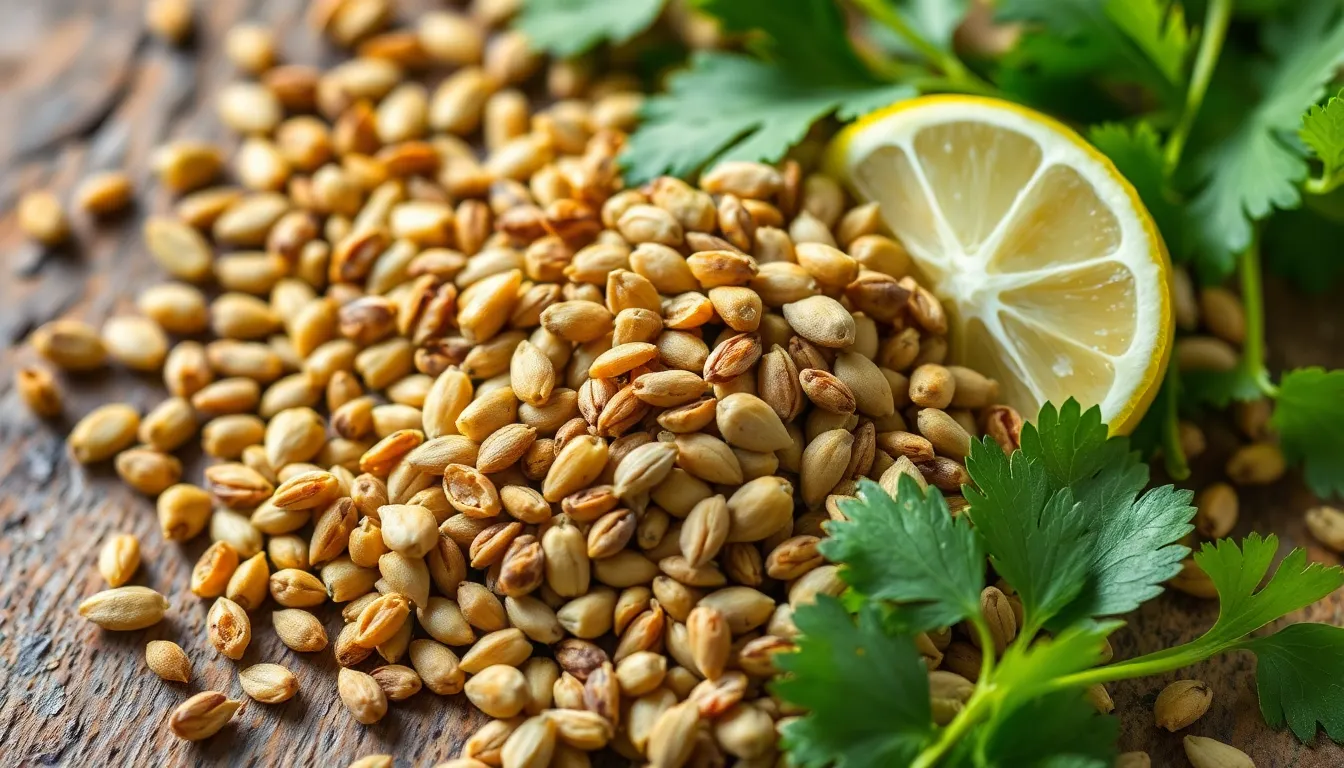
Cooking with Anise Seeds: Flavorful Dishes to Try
Welcome to the aromatic world of anise seeds, an ingredient that has graced kitchens from ancient times to modern culinary innovations. With their unique flavor profile reminiscent of licorice, anise seeds add depth and character to a variety of dishes, making them a spice worth knowing. In this article, we will explore the history, culinary uses, and delightful recipes featuring anise seeds, encouraging you to embrace this versatile spice in your cooking adventures.
1. Understanding Anise Seeds
1.1 What are Anise Seeds?
Anise seeds come from the flowering plant Pimpinella anisum, which belongs to the Apiaceae family. These tiny, oval seeds are brown to grayish in color and possess a sweet, aromatic fragrance. Anise is often confused with star anise, but they are distinct; star anise comes from a different tree in the Illicium family, though they share similar flavors.
1.2 Nutritional Benefits
Anise seeds are not only flavorful but also packed with nutritional benefits. They contain:
- Vitamins: A, C, and several B vitamins
- Minerals: Calcium, iron, magnesium, phosphorus, and potassium
- Antioxidants: Compounds that help fight free radicals in the body
These properties have made anise seeds a traditional remedy for digestive issues, coughs, and even menstrual discomfort.
1.3 Flavor Profile
The flavor of anise seeds is distinctly sweet and aromatic, with a hint of spiciness. They have a warm, licorice-like taste that can elevate both sweet and savory dishes. The aroma is equally enticing, reminiscent of a blend between fennel and a gentle sweetness.
2. Culinary Uses of Anise Seeds
2.1 Traditional Dishes that Use Anise Seeds
Anise seeds have a rich history in various cuisines around the world. Here are some traditional dishes:
- Italian: Anise is often used in biscotti, giving them a fragrant flavor.
- Indian: In Indian cooking, anise is a key ingredient in masalas and spice blends.
- Middle Eastern: Anise is frequently found in breads and pastries, enhancing their flavors.
2.2 Modern Culinary Applications
In contemporary cooking, anise seeds are being incorporated in innovative ways:
- As a seasoning for roasted vegetables
- In marinades for meats
- As a flavor enhancer in cocktails and beverages
3. Flavorful Dishes to Try
3.1 Appetizers
Recipe: Anise-Infused Roasted Carrots
Ingredients:
- 1 lb baby carrots
- 2 tsp anise seeds
- 2 tbsp olive oil
- Salt and pepper to taste
- 1 tbsp fresh parsley, chopped (for garnish)
Instructions:
- Preheat your oven to 400°F (200°C).
- In a bowl, toss the baby carrots with olive oil, anise seeds, salt, and pepper.
- Spread the carrots on a baking sheet in a single layer.
- Roast for 20-25 minutes or until tender and caramelized.
- Garnish with fresh parsley before serving.
3.2 Main Courses
Recipe: Anise-Spiced Chicken Stew
Ingredients:
- 1.5 lbs chicken thighs, boneless and skinless
- 1 large onion, diced
- 3 cloves garlic, minced
- 2 tsp anise seeds
- 4 carrots, sliced
- 3 cups chicken broth
- 1 can diced tomatoes
- 2 tbsp olive oil
- Salt and pepper to taste
Instructions:
- Heat olive oil in a large pot over medium heat. Add the diced onion and garlic, sautéing until softened.
- Add chicken thighs, cooking until browned on all sides.
- Sprinkle in the anise seeds, carrots, chicken broth, and diced tomatoes.
- Bring to a boil, then reduce heat, cover, and let simmer for 30-40 minutes.
- Season with salt and pepper. Serve warm.
3.3 Desserts
Recipe: Anise Seed Biscotti
Ingredients:
- 2 cups all-purpose flour
- 1 tsp baking powder
- 1 tsp anise seeds
- ½ cup sugar
- 2 large eggs
- 1 tsp vanilla extract
Instructions:
- Preheat the oven to 350°F (175°C).
- In a bowl, mix flour, baking powder, anise seeds, and sugar.
- In another bowl, whisk together eggs and vanilla extract.
- Combine wet and dry ingredients until a dough forms.
- Shape the dough into a log and place it on a baking sheet lined with parchment paper.
- Bake for 25 minutes, then let cool slightly before slicing into biscotti pieces.
- Return the slices to the oven and bake for an additional 10 minutes until crisp.
3.4 Beverages
Recipe: Anise-Infused Herbal Tea
Ingredients:
- 2 cups water
- 1 tsp anise seeds
- 1 tsp honey (optional)
- 1 slice lemon (optional)
Instructions:
- Boil water in a small pot.
- Add anise seeds to the boiling water and let steep for 5-7 minutes.
- Strain the tea into a cup and add honey or lemon if desired.
- Enjoy warm for a soothing effect.
4. Tips for Cooking with Anise Seeds
4.1 How to Store Anise Seeds
To maximize freshness, store anise seeds in an airtight container in a cool, dark place. Whole seeds maintain their flavor longer than ground seeds, so it’s best to grind them just before use.
4.2 Pairing Anise Seeds with Other Ingredients
Anise seeds pair beautifully with:
- Citrus flavors (lemons, oranges)
- Sweet ingredients (honey, sugar)
- Herbs (parsley, cilantro)
- Spices (cinnamon, nutmeg)
4.3 Common Mistakes to Avoid
When cooking with anise seeds, avoid overpowering your dish by using too much. Start with a small amount and adjust according to your taste preference. Also, balance the sweetness of anise with acidic or savory components to create a well-rounded flavor.
5. Anise Seeds in Global Cuisines
5.1 European Dishes
In Europe, particularly in Mediterranean countries, anise seeds are commonly used in baked goods and liqueurs. Italian anise cakes and Greek bread are popular examples where the seeds are infused for added flavor.
5.2 Asian Dishes
In Asian cuisines, particularly Indian and Chinese, anise is a staple spice. In Indian cooking, it can be found in garam masala, while Chinese five-spice powder includes star anise, lending a similar flavor profile.
5.3 Middle Eastern Dishes
Middle Eastern cuisine utilizes anise in various breads and pastries, as well as in savory dishes like stews. The seeds enhance the overall flavor and aroma, making the dishes unforgettable.
6. Anise Seeds: A Versatile Ingredient
6.1 Substitutes for Anise Seeds
If anise seeds are unavailable, you can use:
- Fennel seeds (similar flavor profile)
- Star anise (for a more potent flavor)
- Licorice root (for sweetness and aroma)
6.2 Experimenting with Anise in Your Kitchen
Don’t hesitate to experiment with anise seeds in your kitchen. Try incorporating them into spice blends, baked goods, or even savory dishes. The beauty of cooking lies in creativity, and anise seeds offer a wealth of possibilities.
Conclusion
Anise seeds are a remarkable spice that brings a unique flavor and aroma to our dishes. From traditional recipes to modern applications, the versatility of anise seeds is sure to inspire your culinary endeavors. We encourage you to try the recipes shared in this article and share your experiences. Happy cooking!
Suggested Ingredients Table
| Ingredient | Quantity | Use |
|---|---|---|
| Baby Carrots | 1 lb | Appetizer |
| Anise Seeds | 7 tsp | All Recipes |
| Olive Oil | 6 tbsp | All Recipes |
| Chicken Thighs | 1.5 lbs | Main Course |
| All-Purpose Flour | 2 cups | Dessert |
| Honey | Optional | Beverage |