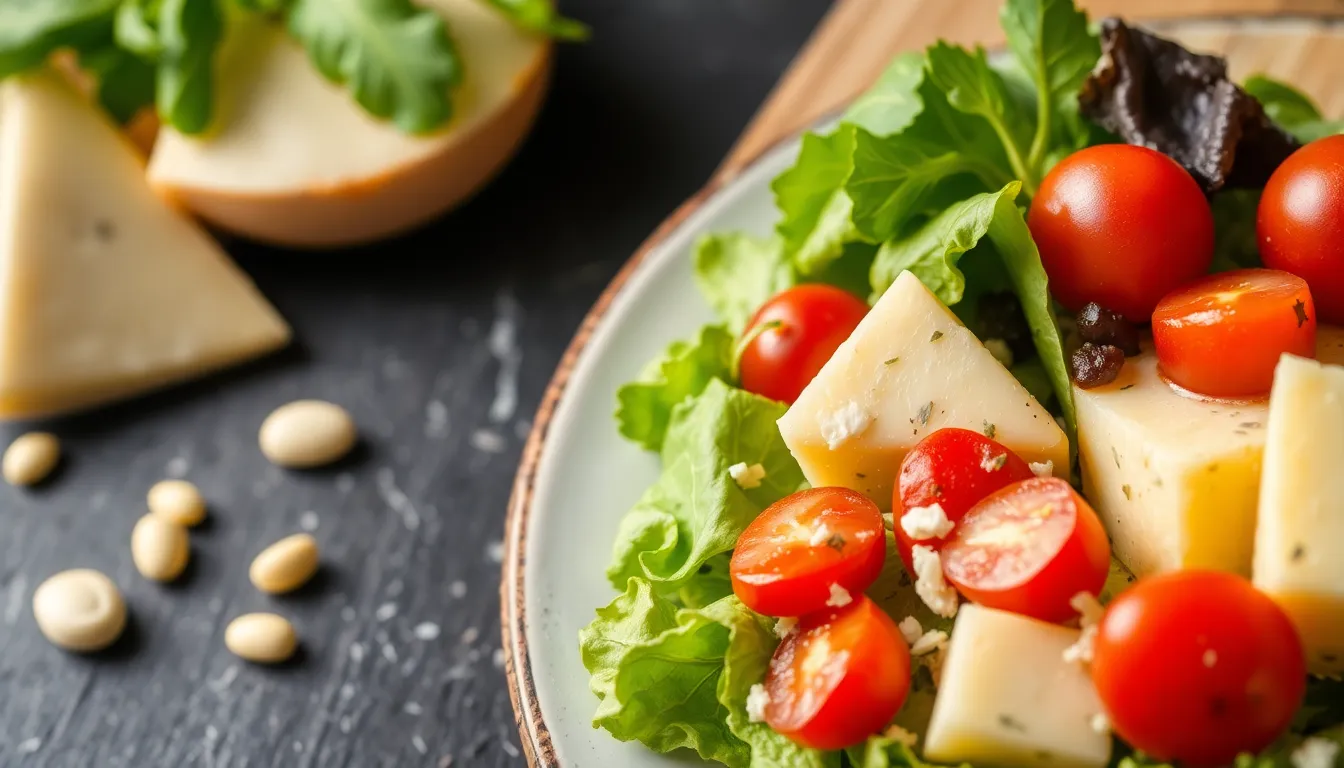
Cheese and Charcuterie: Creating the Perfect Board
Cheese and charcuterie boards have become a staple for gatherings, celebrations, and casual nights in. They offer a beautiful and delicious way to serve a variety of flavors and textures that can satisfy any palate. The art of creating the perfect board lies not only in the selection of ingredients but also in the presentation. In this article, we’ll explore the essentials of cheese and charcuterie, provide tips on ingredient selection, and guide you through the assembly of your board to impress your guests.
Section 1: Understanding Cheese and Charcuterie
1.1 What is Charcuterie?
Charcuterie refers to a French culinary tradition that involves preparing and presenting cured meats. Its history can be traced back to ancient times when preservation techniques were necessary for storing meat without refrigeration. The term has evolved to encompass various types of cured meats, including:
- Cured Meats: Such as ham, salami, and prosciutto.
- Pâtés: Spreadable mixtures of ground meat and fat, often seasoned and blended with spices.
- Terrines: A type of pâté that is usually baked in a mold and served in slices.
1.2 Types of Cheese
Cheese can be categorized in numerous ways, but the most common classifications include:
- Soft Cheese: Creamy and spreadable options like Brie and Camembert.
- Hard Cheese: Aged and firmer varieties like Cheddar and Parmesan.
- Blue Cheese: Characterized by blue veins of mold, examples include Roquefort and Gorgonzola.
- Goat Cheese: Tangy and often creamy, it can be found fresh or aged.
Popular cheeses that often feature on boards include: Brie, Cheddar, Gouda, and Blue Cheese, each offering unique flavors and textures that complement various accompaniments.
Section 2: Choosing the Right Ingredients
2.1 Cheese Selection
Selecting the right cheeses is crucial for a well-rounded board. Here are some tips:
- Consider a variety of textures and flavors: pair soft with hard cheeses, and mild with sharp ones.
- Choose at least three to five different types for a balanced selection.
- Opt for local artisanal cheeses to support local businesses and discover new flavors.
Recommended cheese pairings include:
- Brie with fresh fruits.
- Sharp Cheddar with pepper jams.
- Blue Cheese with honey or fig preserves.
- Goat Cheese with herbs and spices.
2.2 Charcuterie Options
Just like cheese, the choice of cured meats is essential for a delightful board. Consider the following:
- Salami: Available in various flavors, it’s a crowd-pleaser.
- Prosciutto: Thinly sliced and buttery, perfect with sweet accompaniments.
- Chorizo: Spicy and flavorful, pairs well with bold cheeses.
Suggested pairings include:
- Prosciutto pairs well with Brie.
- Salami complements Cheddar.
- Chorizo is a great match for Blue Cheese.
2.3 Accompaniments
Accompaniments elevate your board and provide contrast to the rich flavors of cheese and meat. Here are some suggestions:
- Fruits: Fresh fruits like grapes, figs, and apples add sweetness.
- Nuts: Almonds, walnuts, and pecans provide crunch.
- Spreads: Consider jams, honey, or mustards for added flavor.
HTML Table: Cheese and Charcuterie Pairing Guide
| Cheese Type | Recommended Charcuterie | Accompaniments |
|---|---|---|
| Brie | Prosciutto | Fresh figs, honey |
| Cheddar | Salami | Pickles, almonds |
| Blue Cheese | Chorizo | Walnuts, dark chocolate |
| Goat Cheese | Coppa | Olives, dried apricots |
Section 3: Assembling Your Board
3.1 Choosing the Right Board
The foundation of your charcuterie experience starts with the board itself. Here are some factors to consider:
- Type: Choose between wood, marble, or slate. Each offers a different aesthetic and feel.
- Size: Consider the number of guests. A larger board accommodates more ingredients, while a smaller one is perfect for intimate gatherings.
3.2 Arranging the Ingredients
Visual appeal is key when assembling your board. To create a stunning layout:
- Start with cheeses, placing different types in various areas.
- Layer meats around the cheeses, folding them for height and texture.
- Fill in gaps with fruits and nuts, creating a balanced and colorful spread.
Remember to consider color and texture for an eye-catching arrangement.
3.3 Garnishing Your Board
Garnishes add the finishing touch to your board. Here are some ideas:
- Herbs: Fresh sprigs of rosemary or thyme can bring a pop of color.
- Edible Flowers: These can add elegance to your presentation.
- Seasonal Touches: Incorporating seasonal fruits or decorative items can enhance the theme of your board.
Section 4: Serving and Enjoying Your Board
4.1 Pairing with Beverages
A perfect cheese and charcuterie board deserves equally delightful beverage pairings. Consider the following:
- Wine: Red wines pair well with bold cheeses and cured meats, while white wines enhance lighter cheeses.
- Beer: A light lager or pale ale can complement the flavors without overpowering them.
- Cocktails: A gin and tonic or herb-infused cocktails can elevate your experience.
When serving drinks alongside your board, consider using a variety of glassware to enhance the aesthetic.
4.2 Suggested Serving Etiquette
To ensure a shared enjoyment of your board, consider these tips:
- Encourage sharing by providing small plates or napkins for guests.
- Maintain a relaxed atmosphere where guests can take their time tasting different combinations.
- Be mindful of leftovers; offer guests to take home what they didn’t finish, if appropriate.
Conclusion
In conclusion, creating the perfect cheese and charcuterie board is an art that combines thoughtful selection and presentation. By understanding the basics of cheese and charcuterie, choosing complementary ingredients, and assembling them beautifully, you can craft an impressive board that delights your guests. Remember to enjoy the process and have fun experimenting with different flavors and pairings. Cheers to your next gathering!