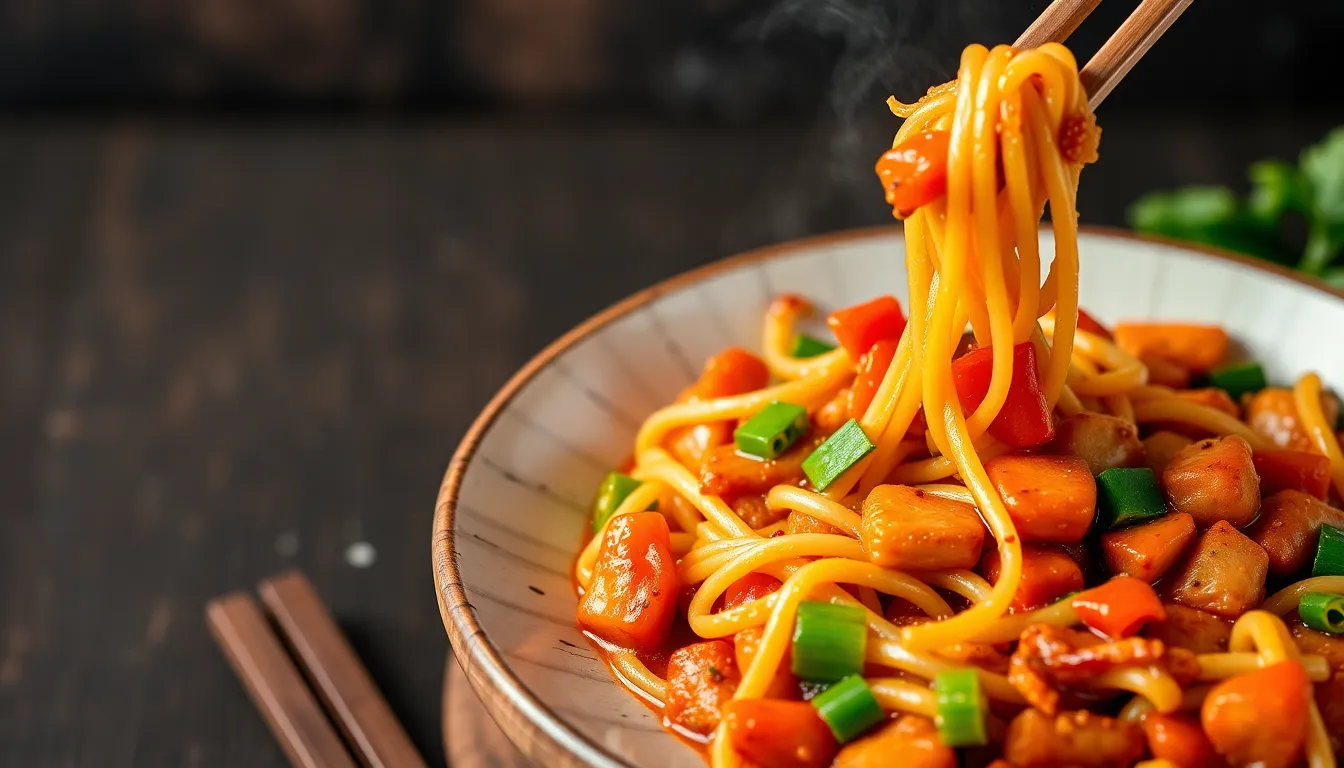
Blanching: The Secret to Perfectly Cooked Carrots
I. Introduction
Cooking is an art that can be mastered through various techniques. Whether it’s roasting, sautéing, or steaming, each method brings unique flavors and textures to the table. One often overlooked technique that can elevate your vegetable dishes is blanching. This simple process, particularly beneficial for carrots, ensures vibrant color, improved texture, and enhanced flavor. In this article, we will explore the blanching process, its benefits, and how to incorporate perfectly blanched carrots into your meals.
II. What is Blanching?
Blanching is a cooking technique that involves briefly boiling food and then immediately plunging it into ice water. This process not only stops the cooking but also helps maintain the food’s bright color and crisp texture.
A. Definition of Blanching
Essentially, blanching is a short cooking method that can significantly enhance the final dish. It is primarily used for vegetables but can also be applied to fruits and nuts. By exposing vegetables to boiling water for a few minutes, followed by cooling them rapidly in ice water, you can achieve remarkable results.
B. Historical Context and Significance in Cooking
The technique of blanching has been used for centuries. Historically, it was a practical way to prepare vegetables for preservation, especially before the advent of refrigeration. This method helped to lock in flavors and colors, making it a staple in kitchens around the world.
C. Common Vegetables that Benefit from Blanching
While blanching is beneficial for a variety of vegetables, some of the most common include:
- Green beans
- Broccoli
- Cauliflower
- Peas
- Carrots
Among these, carrots stand out due to their versatility and the significant taste enhancement they experience through blanching.
III. The Benefits of Blanching Carrots
Blanching carrots offers numerous advantages that make it a worthwhile technique in your cooking repertoire.
A. Enhances Color and Texture
Blanching helps to set the bright orange color of carrots, making them more visually appealing in salads, stir-fries, and side dishes.
B. Preserves Nutrients
This cooking method also retains vitamins and minerals that can be lost during prolonged cooking methods. Studies have shown that blanching can preserve more nutrients than boiling for extended periods.
C. Reduces Cooking Time for Subsequent Preparations
Blanching carrots before incorporating them into other dishes reduces the overall cooking time. Since they are partially cooked, the final cooking process becomes quicker and more efficient.
D. Improves Flavor and Sweetness
Surprisingly, blanching can also enhance the natural sweetness of carrots. This brief cooking phase allows their sugars to caramelize slightly, resulting in a more intense flavor.
IV. The Blanching Process
To achieve perfectly blanched carrots, follow this step-by-step guide. Let’s gather the necessary ingredients first.
A. Ingredients Needed
- Fresh carrots
- Water
- Ice bath (ice and water)
B. Step-by-Step Guide to Blanching Carrots
1. Preparing the Carrots
Start by washing the carrots thoroughly under running water. For larger carrots, peel the skin and then cut them into uniform sizes to ensure even cooking. Baby carrots can be blanched whole.
2. Boiling Water
Fill a large pot with water and bring it to a rolling boil. The amount of water should be enough to allow the carrots to move freely without overcrowding, which helps in even cooking.
3. Blanching Time for Different Sizes
Refer to the table below for the appropriate blanching times based on the size of the carrots:
| Carrot Size | Blanching Time (minutes) |
|---|---|
| Baby Carrots | 2-3 |
| Medium Carrots (cut into sticks) | 4-5 |
| Large Carrots (whole or halved) | 6-8 |
4. Ice Bath Procedure
Prepare a bowl filled with ice and water. Once the blanching time is up, immediately transfer the carrots from the boiling water to the ice bath using a slotted spoon. This step is crucial as it stops the cooking process and locks in the vibrant color and texture.
5. Draining and Drying the Carrots
After a few minutes in the ice bath, drain the carrots in a colander. Shake off excess water and pat them dry with a clean kitchen towel or paper towels.
V. Tips for Perfectly Blanched Carrots
To ensure your blanched carrots turn out perfect every time, consider the following tips:
A. Choosing the Right Carrots
Opt for fresh, firm carrots without soft spots or blemishes. The size of the carrots can affect the blanching time, so aim for similar-sized pieces for uniform cooking.
B. Timing is Key: Avoiding Over-Blanching
It’s essential to monitor the time closely during blanching. Over-blanching can lead to mushy carrots, which defeats the purpose of this technique.
C. Using a Thermometer for Precise Water Temperature
For best results, use a kitchen thermometer to ensure the water is at a rolling boil before adding the carrots. Maintaining the right temperature is crucial for effective blanching.
D. Storing Blanched Carrots for Later Use
If you don’t plan to use the blanched carrots immediately, store them in an airtight container. You can refrigerate them for up to a week or freeze them for longer storage. Just make sure they are completely dry before sealing.
VI. Creative Ways to Use Blanched Carrots
Once you’ve mastered blanching, you can incorporate your perfectly cooked carrots into a variety of dishes:
A. Incorporating into Salads
Blanched carrots add a delightful crunch to salads. They can be served warm or cold and pair well with different dressings.
B. Stir-Fries and Sautés
Add blanched carrots to your stir-fries for a quick and colorful addition. Their pre-cooked state ensures they remain crunchy while absorbing other flavors.
C. Roasting Techniques Post-Blanching
Roasting blanched carrots with olive oil, herbs, and spices brings out a wonderful depth of flavor. Simply toss them on a baking sheet and roast at 400°F (200°C) for about 20-25 minutes.
D. Purees and Soups
Blanched carrots can be pureed into soups or sauces, offering a silky texture and natural sweetness. Consider blending them into a creamy carrot soup for a comforting dish.
VII. Conclusion
Blanching is a simple yet effective technique that enhances the flavor, texture, and nutritional profile of carrots. By taking the time to blanch your vegetables, you can transform ordinary dishes into extraordinary meals. We encourage you to try blanching and incorporate this technique into your cooking routine. Share your experiences, tips, and favorite recipes in the comments below!
VIII. Additional Resources
For more delicious recipes featuring blanched carrots and other vegetables, check out the following links:
https://www.youtube.com/watch?v=8COnmk0rgl0