Fiesta on a Plate: How to Create a Stunning Spanish Charcuterie Board
I. Introduction: A Taste of Spain at Home
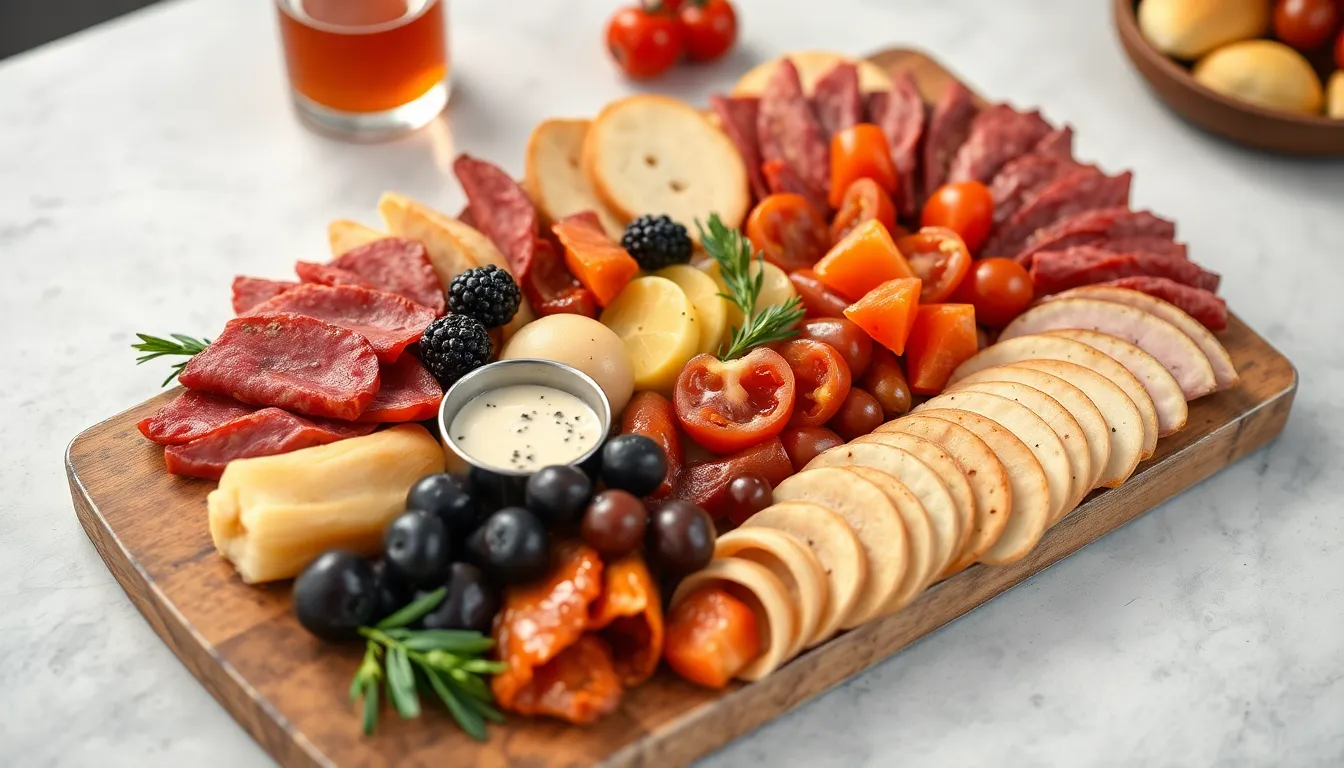
Spain is a country renowned for its vibrant culture, rich history, and, most importantly, its exceptional culinary traditions. One of the most delightful ways to experience this heritage is through a Spanish charcuterie board, an artful arrangement of meats, cheeses, and accompaniments that brings the flavors of Spain right to your table.
Charcuterie isn’t just about the food; it represents a communal experience that encourages sharing and conversation among family and friends. This article will guide you through the essential elements of creating a stunning Spanish charcuterie board that can serve as a perfect centerpiece for any gathering, letting your guests indulge in an array of flavors and textures.
By the end of this post, you’ll learn about the essential components of a Spanish charcuterie board, how to craft it with style, the best beverage pairings, tips for customization, and the joy of sharing good food with loved ones.
II. The Essential Components of a Spanish Charcuterie Board
A well-curated Spanish charcuterie board balances flavors, textures, and colors. Here’s a breakdown of the essential components you’ll want to include.
A. Meats: The Heart of the Board
- Jamón Ibérico: The King of Spanish Ham
- Chorizo: Spicy and Flavorful
- Salchichón: A Taste of Tradition
This legendary ham is derived from the Iberian pig, renowned for its rich, nutty flavor. The unique curing process, often lasting several years, results in an unparalleled taste that epitomizes Spanish charcuterie.
A staple in Spanish cuisine, chorizo is a cured sausage seasoned with garlic and smoked paprika, giving it a distinct hue and a spicy kick. It pairs beautifully with cheese and olives.
This dry-cured sausage, seasoned with pepper and other spices, provides a milder taste compared to chorizo. Its slightly coarse texture makes it a delightful contrast on your board.
B. Cheeses: Creamy and Rich Delights
- Manchego: The Classic Choice
- Cabrales: A Bold Blue Cheese
- Idiazabal: A Smoked Sensation
This sheep’s milk cheese from the La Mancha region has a firm texture and a buttery flavor. It’s a perfect complement to the richness of the meats.
Hailing from Asturias, Cabrales is a strong blue cheese made from a mix of cow, goat, and sheep milk. Its sharp flavor adds an exciting element to the board.
This cheese has a unique smoky flavor, derived from the traditional smoking process over beech wood. Its robust taste pairs wonderfully with fruity accompaniments.
C. Accompaniments: Elevating the Experience
- Olives: A Mediterranean Staple
- Nuts: Crunchy and Savory
- Dried fruits: Sweetness to Balance the Savory
Whether they are marinated or simply brined, olives add a zesty punch to your board and pair exceptionally well with Spanish meats and cheeses.
Including a mix of almonds, marcona almonds, and walnuts provides a crunchy contrast that balances the softness of cheeses and meats.
Dried figs, apricots, and dates lend a sweet touch, providing a perfect counterpoint to the savory elements of your board.
III. Crafting Your Spanish Charcuterie Board
Now that you know the essential components, it’s time to create your masterpiece! Let’s explore how to select the right board and arrange your ingredients with style.
A. Selecting the Perfect Board
| Type of Board | Size | Material | Pros | Cons |
|---|---|---|---|---|
| Wood | Variety (e.g., 16 to 30) | Natural Wood | Classic aesthetic, easy to clean | Can absorb odors, may warp over time |
| Marble | Medium (around 20) | Marble | Cool surface for cheeses, elegant look | Heavy, can be expensive |
| Slate | Small to Medium | Slate | Unique presentation, easy to write on | Can be sharp, needs careful handling |
| Glass | Variety | Glass | Modern look, easy to clean | Fragile, can scratch easily |
1. Size and Shape Considerations
Choosing the right size and shape for your board is vital. Consider the number of guests you’ll be serving, and whether you want a round, rectangular, or square shape. A larger board allows for more variety, while a smaller one is easier to manage.
2. Material Matters: Wood vs. Marble
Wood boards bring a rustic charm, while marble boards are perfect for keeping cheeses cool. Both materials have their merits, but your choice can depend on your aesthetic preference and practicality.
B. Arranging with Style: The Art of Presentation
1. Color and Texture: Creating Visual Appeal
To make your board visually captivating, incorporate a variety of colors and textures. Use colorful fruits, earthy nuts, and various shades of meats and cheeses to create an appealing contrast.
2. Layering and Grouping: Balance is Key
Start by placing larger items first, like cheese and meats, followed by smaller items like olives and nuts. Group similar items together for a visually pleasing presentation.
3. Garnishing: Fresh Herbs & Edible Flowers for the Final Touch
Add final touches with fresh herbs like rosemary and thyme or edible flowers for a pop of color. Not only do they enhance the look, but they also contribute aromatic notes to the experience.
IV. Beverage Pairings: Sip and Savor
No charcuterie board is complete without the perfect beverages to complement your flavors. Here are some excellent choices:
A. Wines That Complement the Flavors
- Red Wines: Tempranillo and Garnacha
- White Wines: Albariño and Verdejo
Tempranillo offers a medium to full-body profile that pairs beautifully with the richness of jamón and chorizo, while Garnacha brings a fruity essence that complements the cheeses.
Albariño, with its bright acidity, enhances the flavors of seafood and lighter meats, making it a versatile option, while Verdejo’s herbal notes pair well with the rich flavors of the board.
B. Non-Alcoholic Options: Refreshing Alternatives
- Sparkling Water: Add slices of lemon or cucumber for a refreshing touch.
- Herbal Iced Teas: Flavored with fruits like peach or mint to complement the board.
- Mocktails: Create vibrant mocktails using ingredients like blood orange or pomegranate for an eye-catching drink.
V. Tips for Customization: Make It Your Own
Your Spanish charcuterie board can be as unique as you are! Here are some tips to customize it to your taste and preferences:
A. Dietary Considerations: Vegetarian and Vegan Options
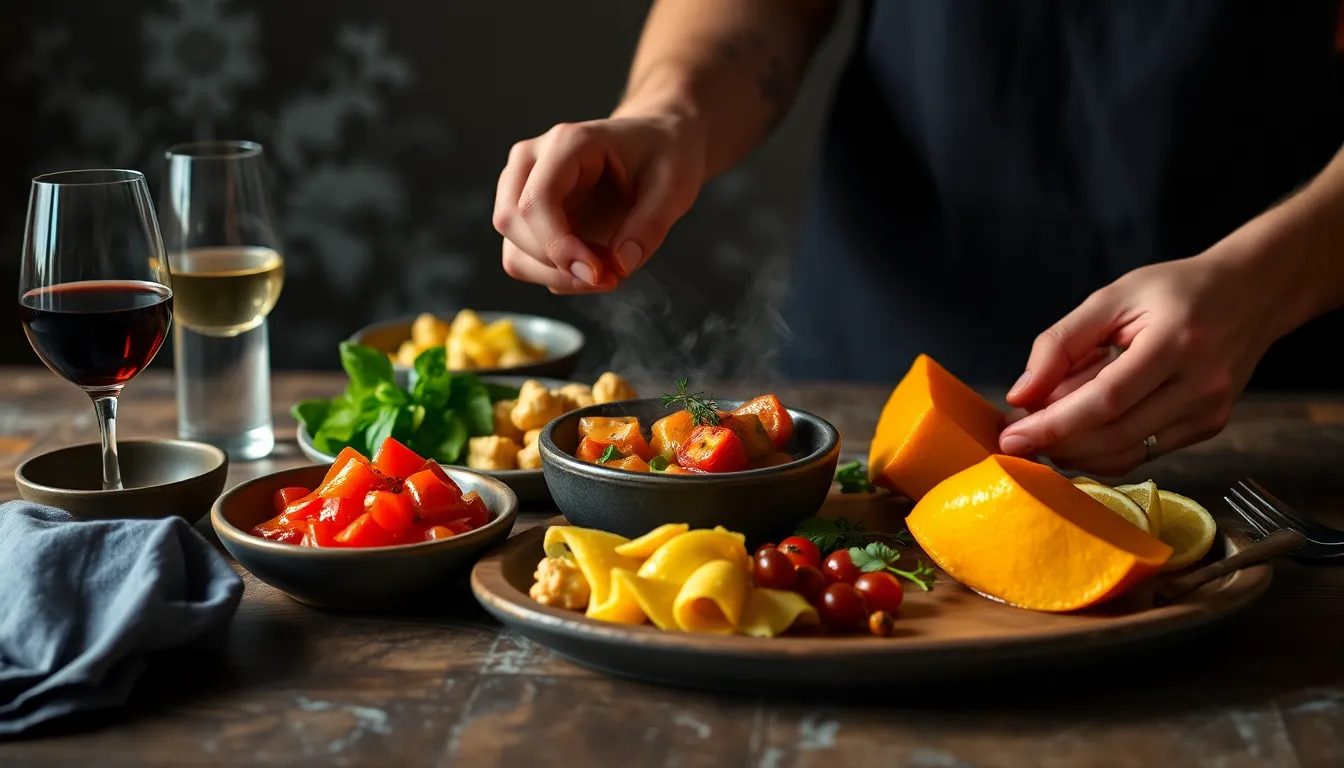
If you’re accommodating vegetarians or vegans, consider swapping meats for grilled vegetables, marinated artichokes, or plant-based cheeses. You can also include a variety of dips, such as hummus or baba ganoush.
B. Seasonal Variations: Adapting Your Board for Any Occasion
Mix in seasonal ingredients that are fresh and available. In the spring, use vibrant asparagus and snap peas; during fall, consider roasted pumpkin slices and pecans to introduce seasonal flavors.
C. Kid-Friendly Additions: Making It Fun for Everyone
Include fun elements for kids, such as cheese cubes in different shapes, colorful fruit skewers, and popcorn. They can also help arrange the board, making it a fun family activity.
VI. Conclusion: Enjoying the Fiesta
Creating a Spanish charcuterie board is not just about food; it’s about bringing people together and celebrating life’s little joys. Don’t hesitate to experiment with new flavors and ingredients, and let your creativity shine in every arrangement!
I invite you to share your charcuterie board experiences and photos on social media. Tag us to spread the joy of delicious food and inspire others to indulge in the art of Spanish cuisine!
Ultimately, the joy of sharing good food is what makes gatherings memorable. So, gather your friends and family, serve up your stunning Spanish charcuterie board, and enjoy the fiesta!
VII. Call to Action: Your Next Spanish Feast Awaits!
If you loved this guide and want more delicious recipes, be sure to subscribe to our blog! We’re excited to see your charcuterie board creations, so please share them with us in the comments below.