Unlock the Secrets of Paella: A Step-by-Step Guide to Spain’s Most Iconic Dish
I. Introduction: The Allure of Paella
Paella is not just a dish; it’s a cultural phenomenon that encapsulates the heart and soul of Spain. With its vibrant colors, aromatic spices, and a variety of textures, paella offers a culinary experience that goes beyond the plate. In this guide, we will explore the enchanting world of paella, revealing its storied past and the secrets behind its irresistible charm.
A. Brief History of Paella
Originating from the Valencia region of Spain, paella has humble beginnings as a farmer’s meal, incorporating readily available ingredients. The name paella comes from the Old French word paelle for pan, which is where this dish gets its identity. Over the years, it has evolved into numerous regional variations, each telling its own story through the ingredients used.
B. Cultural Significance in Spain
In Spain, paella is synonymous with family gatherings and celebrations. It is more than just a meal; it’s a social event that brings people together. Traditionally cooked outdoors over an open flame, paella symbolizes camaraderie, hospitality, and the joy of sharing good food with loved ones.
C. What Makes Paella Unique?
The unique aspect of paella lies in its versatility. Each ingredient is carefully chosen to complement the others, resulting in a harmonious balance of flavors. Whether it’s the rich saffron-infused rice, fresh seafood from the coast, or succulent meats, every bite tells a story of tradition and creativity.
II. The Essential Ingredients: Building Blocks of Flavor
A. The Rice: Choosing the Right Grain
At the core of every paella is the rice. The type of rice you choose can make or break your dish. The most commonly used rice for paella is Bomba or Calasparra rice. These varieties have a high starch content, allowing them to absorb flavors without losing their shape.
B. Proteins: Seafood, Meat, or Vegetarian?
Paella can be made with a variety of proteins, allowing for endless creativity in your cooking. Here are some popular options:
- Seafood: Shrimp, mussels, clams, and squid are commonly used.
- Meat: Chicken, rabbit, and chorizo are traditional choices.
- Vegetarian: Tofu, chickpeas, and seasonal vegetables make for delightful alternatives.
C. Vegetables and Aromatics: The Flavor Makers
Fresh vegetables and aromatics add depth and character to your paella. Bell peppers, green beans, and peas are often included, while garlic, onion, and tomatoes create a robust base.
D. Spices and Seasonings: The Secret Touch
Saffron is the crown jewel of paella spices, imparting a golden hue and unique flavor. Other common seasonings include:
- Smoked paprika
- Black pepper
- Salt
- Parsley for garnish
E. HTML Table: Ingredient Comparison
| Ingredient Type | Examples | Notes |
|---|---|---|
| Rice | Bomba, Calasparra | Absorbs liquid well, maintains shape |
| Proteins | Shrimp, Chicken, Tofu | Choose based on preference and dietary needs |
| Vegetables | Bell Peppers, Green Beans, Peas | Add color and texture |
| Spices | Saffron, Smoked Paprika | Enhance flavor profile |
III. The Equipment You’ll Need: Tools for Success
A. The Perfect Pan: Choosing a Paellera
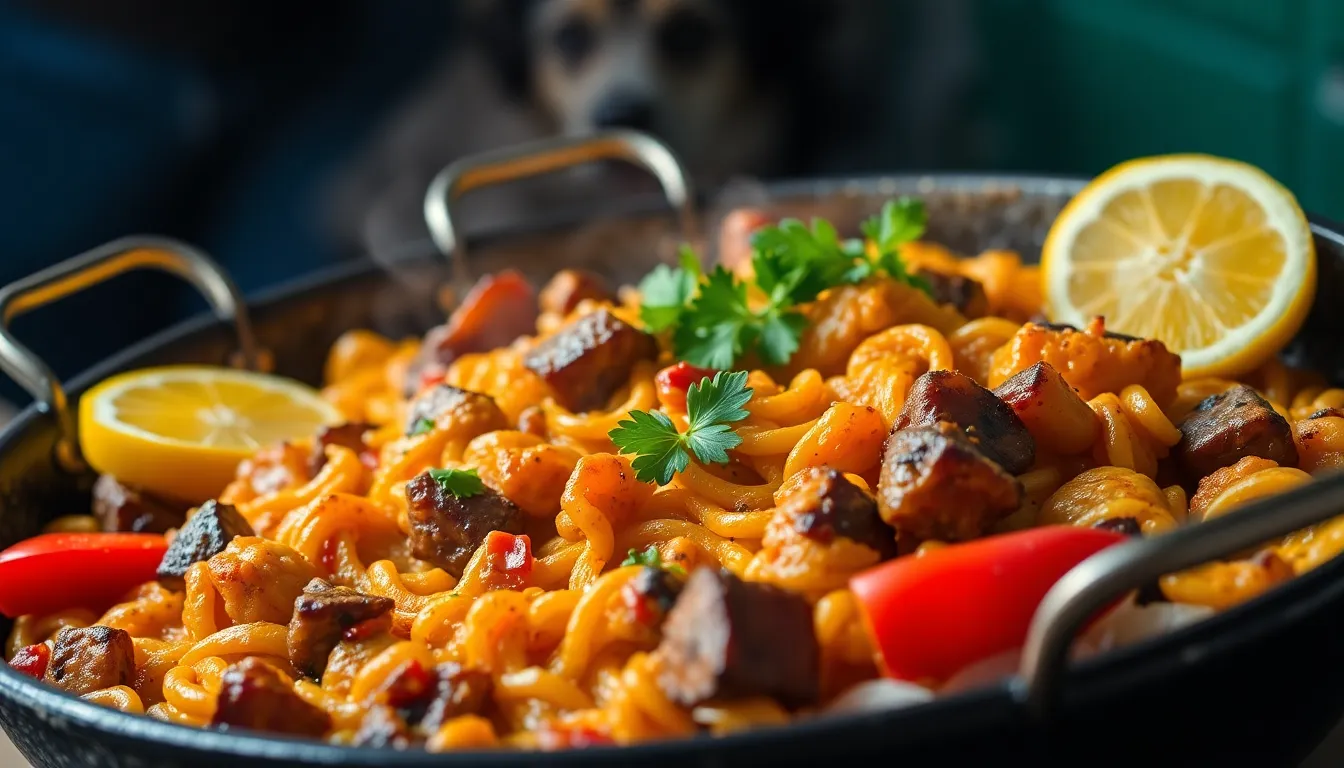
A paellera is a wide, shallow pan specifically designed for making paella. Its unique shape allows for even cooking and promotes the formation of the coveted crispy bottom, known as socarrat. When selecting a paellera, consider the size based on the number of servings you plan to prepare.
B. Heat Sources: Gas vs. Open Flame
Traditionally, paella is cooked over an open flame, which imparts a distinct flavor. However, a gas burner can also work well. The key is to maintain an even heat throughout the cooking process.
C. Additional Tools: Spoons, Ladles, and More
Aside from the paellera, you’ll need:
- A wooden spoon for stirring
- A ladle for serving
- A spatula for checking the socarrat
IV. Preparing Your Paella: Step-by-Step Instructions
A. Step 1: Making the Sofrito
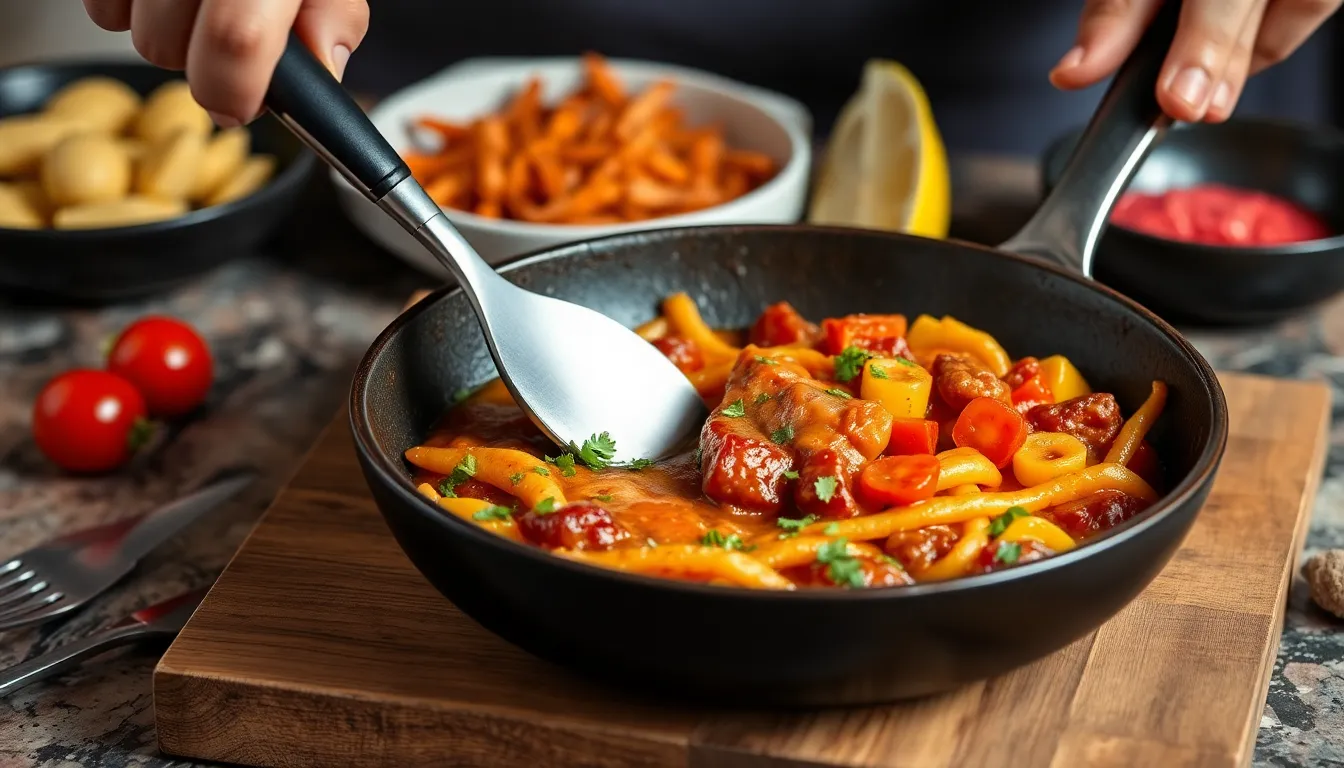
The sofrito is the aromatic base of your paella, blending onions, garlic, and tomatoes. This step is crucial for building layers of flavor.
1. Importance of a Good Base
A well-made sofrito enhances the overall taste of your paella, providing depth and richness.
B. Step 2: Browning Your Proteins
Next, add your chosen proteins to the pan. Browning them before adding rice allows the flavors to meld and creates a delicious crust.
C. Step 3: Adding the Rice and Liquid
Once your proteins are browned, it’s time to add the rice. Stir it into the mixture for a couple of minutes to toast it slightly.
1. The Perfect Rice-to-Broth Ratio
A general rule of thumb is to use a 1:2 ratio of rice to broth. For every cup of rice, add two cups of liquid. This ensures that your rice absorbs the flavors and cooks properly.
D. Step 4: Layering in Vegetables and Seasonings
Add your vegetables and spices at this stage, ensuring they are well-distributed throughout the mixture.
E. Step 5: Achieving the Socarrat: The Crispy Bottom
Once the liquid is added, do not stir! Allow the paella to cook undisturbed so that the socarrat can develop. This is the prized crispy layer at the bottom of the pan.
F. Tips for Timing and Temperature Control
Monitor the heat closely. You want a gentle simmer, not a rolling boil. Adjust the temperature as needed to achieve even cooking.
V. Customizing Your Paella: Personal Touches
A. Traditional vs. Modern Variations
While traditional Valencian paella is made with rabbit and green beans, modern interpretations have embraced a plethora of ingredients, from wild mushrooms to exotic spices. Feel free to experiment and make it your own!
B. Dietary Considerations: Gluten-Free, Vegan Options
Paella can easily be adapted for various dietary needs. For a gluten-free version, ensure all ingredients are certified gluten-free. For a vegan option, replace meat with seasonal vegetables and vegetable broth.
C. Regional Variations: From Valencia to Barcelona
Each region in Spain boasts its own take on paella, with seafood-rich versions in coastal areas and heartier meat-based recipes inland. Discover the unique flavors of regional paellas by exploring local ingredients and cooking traditions.
VI. Serving Your Masterpiece: Presentation Matters
A. Choosing the Right Serving Dish
A traditional paella is served straight from the cooking pan, allowing guests to serve themselves. This adds to the communal experience of enjoying the dish together.
B. Garnishing Your Paella: Herbs and Lemon
Fresh herbs like parsley add a pop of color, while wedges of lemon provide a zesty brightness when squeezed over the finished dish.
C. Pairing with Wine or Sangria
Enhance your paella experience with a complementary drink. A light white wine or a refreshing sangria pairs beautifully with the flavors of the dish.
VII. Troubleshooting Common Issues: Avoiding Paella Pitfalls
A. What to Do if Your Rice is Under-Cooked
If your rice is still hard after the cooking time, add a bit more broth and cover the pan for several minutes until it softens.
B. Fixing Too Much Liquid
If there’s excess liquid, increase the heat and let it cook uncovered for a few minutes to evaporate the remaining broth.
C. Ensuring Even Cooking Across Ingredients
Stirring too much can lead to uneven cooking, so resist the urge! If some ingredients are cooking faster, you can rearrange them gently with a spatula.
VIII. Conclusion: Embracing the Paella Spirit
A. The Joy of Sharing and Gathering
Paella is more than just food; it’s a celebration of togetherness. It invites you to gather with family and friends, fostering connections through shared culinary experiences.
B. Encouragement to Experiment and Enjoy
Don’t be afraid to put your spin on traditional recipes. Cooking is an art, and every paella can be a masterpiece reflecting your personal tastes.
C. Call-to-Action: Share Your Own Paella Creations
We’d love to hear about your paella adventures! Share your recipes, tips, and photos with us, and let’s celebrate this beautiful dish together.
IX. Additional Resources
A. Recommended Cookbooks and Websites
B. Links to Paella Cooking Classes or Workshops
C. Suggested Paella Festivals to Attend
- La Tomatina in Buñol
- Paella Festival in Valencia