Beyond Pho: 7 Lesser-Known Vietnamese Dishes You Need to Taste
Introduction: A Culinary Journey Through Vietnam
Vietnamese cuisine is a vibrant tapestry of flavors, colors, and textures, celebrated worldwide for its fresh ingredients and culinary techniques. While Pho has secured its position as the poster child of Vietnamese food, countless other dishes are waiting to be discovered. This article embarks on a delightful journey into the lesser-known corners of Vietnamese gastronomy, highlighting seven hidden gems that deserve a place in your culinary repertoire. These dishes not only tantalize the taste buds but also tell a story of the rich culture and history of Vietnam.
1. Bánh Xèo: The Sizzling Vietnamese Pancake
Bánh Xèo, often described as a savory pancake, is a delightful dish characterized by its crispy exterior and flavorful filling. Made primarily from rice flour, turmeric, and coconut milk, this pancake is filled with a variety of ingredients, such as shrimp, pork, bean sprouts, and green onions, offering a satisfying crunch with every bite.
Regional variations abound, with each locality adding its unique twist. In the south, Bánh Xèo is large and shares its plate with an array of fresh herbs. In contrast, the central regions craft smaller versions that pack a punch with their fiery dipping sauces.
| Aspect | Traditional Bánh Xèo | Modern Bánh Xèo |
|---|---|---|
| Flour Base | Rice Flour | Gluten-Free Flour Option |
| Color | Bright Yellow (Turmeric) | Varied Colors (Natural Dyes) |
| Filling | Shrimp & Pork | Vegetarian Options Available |
| Cooking Method | Pan-Fried | Air Fried or Baked |
2. Cơm Tấm: The Fragrant Broken Rice Delight
Cơm Tấm, or broken rice, is a beloved dish that embodies the essence of Vietnamese comfort food. Traditionally made from fractured rice grains that were deemed inferior, this dish has transformed into a delicacy, served with grilled pork, a fried egg, pickled vegetables, and a sprinkle of green onions. The combination of textures and flavors creates a harmony that is simply irresistible.
The cultural significance of Cơm Tấm is profound, as it reflects the resourcefulness of Vietnamese people throughout history. The dish often appears at family gatherings, making it a staple in homes across the nation. I fondly remember my first taste of Cơm Tấm at a bustling street vendor in Saigon, where the aromatic scents enveloped me as I enjoyed this hearty meal.
3. Gỏi Cuốn: Fresh Spring Rolls Unwrapped
Gỏi Cuốn, or fresh spring rolls, are a vibrant explosion of colors and flavors. These rolls are made from rice paper and packed with fresh herbs, vegetables, and proteins such as shrimp, pork, or tofu. Their versatility allows for endless combinations, ensuring there’s a Gỏi Cuốn for everyone.
To master the art of rolling the perfect Gỏi Cuốn, follow these tips:
- Soak the rice paper in warm water until pliable.
- Layer the ingredients in the center, leaving room on the sides for folding.
- Roll tightly from the bottom up, tucking in the sides as you go.
For dipping sauces, traditional options include hoisin-peanut sauce or a tangy nuoc cham, each enhancing the fresh flavors of the rolls. The vibrant ingredients make Gỏi Cuốn visually appealing, turning every meal into a feast for the eyes.
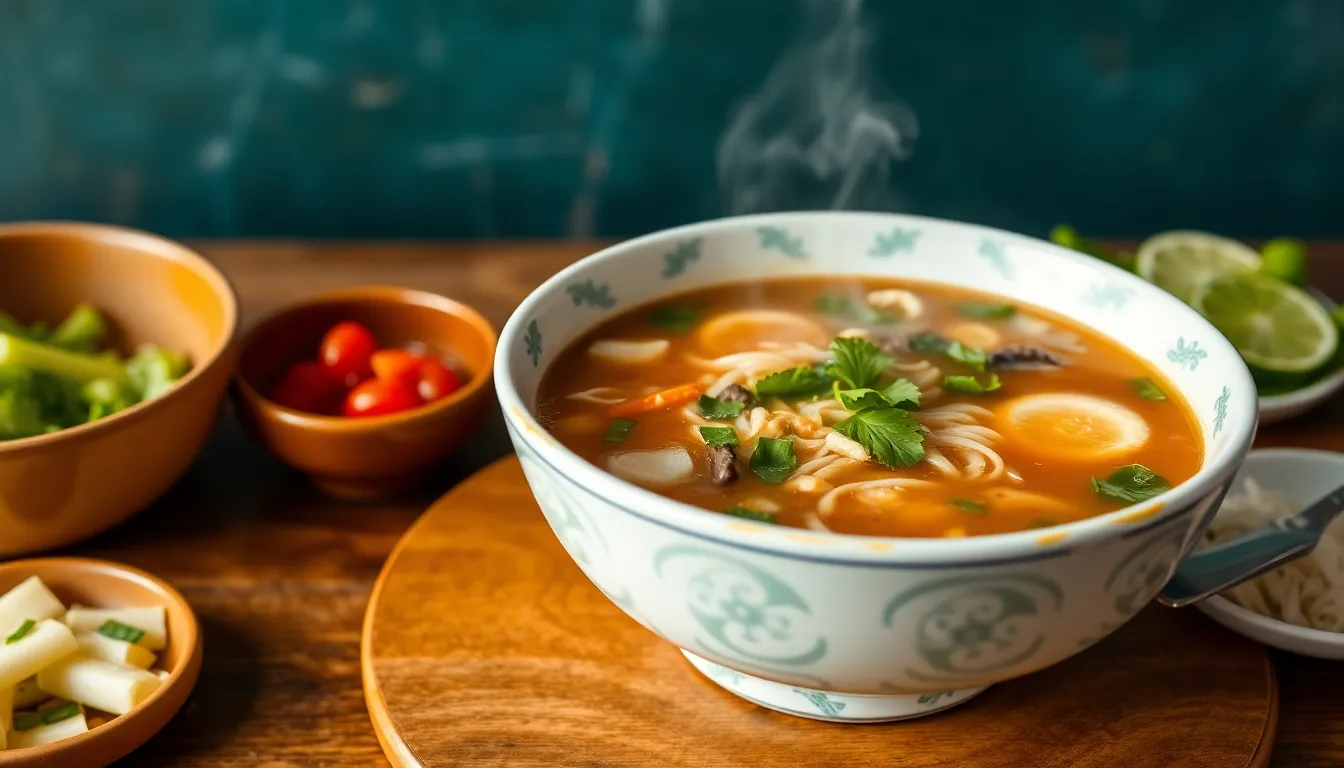
4. Hủ Tiếu: The Hidden Gem of Noodle Soups
Hủ Tiếu is a lesser-known noodle soup that offers a delightful alternative to Pho. Characterized by its chewy noodles and rich, savory broth, Hủ Tiếu often features seafood, pork, or chicken, along with a medley of vegetables. Each region of Vietnam boasts its own interpretation of Hủ Tiếu, with varying broth styles and toppings that reflect local preferences.
One of my favorite ways to enjoy Hủ Tiếu is with a generous topping of crispy fried shallots and fresh herbs, which elevate the dish to new heights. Don’t miss the chance to sample a bowl when visiting southern Vietnam; the experience is sure to be memorable!
5. Chả Cá: The Grilled Fish Extravaganza
Chả Cá is a unique dish that showcases the flavors of marinated fish, typically seasoned with turmeric and dill, and grilled to perfection. This dish is served with rice noodles, fresh herbs, and often accompanied by peanuts and a rich dipping sauce. The combination of flavors creates a fragrant and aromatic dish that is sure to impress.
To achieve restaurant-quality Chả Cá at home, consider these cooking tips:
- Use fresh fish for the best flavor; catfish or mackerel works well.
- Marinate the fish for at least an hour to allow the flavors to meld.
- Grill over medium-high heat until the fish is cooked through and has a nice char.
6. Bánh Bèo: The Steamed Rice Cakes of Delight
Bánh Bèo are delicate steamed rice cakes that are often served as an appetizer or snack. Their light, fluffy texture is complemented by a variety of toppings, including mung bean paste, shrimp, and crispy fried shallots. Typically served in small dishes, these cakes are garnished with fresh herbs and a drizzle of fish sauce, making for a delightful bite-sized treat.
The presentation of Bánh Bèo is particularly appealing, often enhanced with colorful garnishes that catch the eye. Fun fact: This dish is a specialty of Huế, known for its meticulous attention to detail in both flavor and presentation.
7. Mì Quảng: A Colorful Noodle Experience
Mì Quảng is a noodle dish that is as colorful as it is delicious. Featuring wide rice noodles, Mì Quảng is typically topped with a variety of ingredients, such as shrimp, pork, vegetables, and often a sprinkle of peanuts and herbs. The dish is distinguished by its rich broth, which is less soupy than other Vietnamese noodle dishes, allowing the flavors of the toppings to shine through.
Customization is key with Mì Quảng; feel free to adjust the toppings to your liking. Whether you prefer a meat-heavy dish or a vegetarian option, this culinary canvas is sure to satisfy every palate.
Conclusion: Embrace the Flavors of Vietnam
From the sizzling pancakes of Bánh Xèo to the fragrant allure of Cơm Tấm, the lesser-known dishes of Vietnam offer a treasure trove of flavors waiting to be explored. Each dish we’ve highlighted has its unique story and cultural significance, making them worthy of your attention. I encourage you to seek out these hidden gems at local Vietnamese restaurants or even attempt to recreate them in your own kitchen.
Share your experiences or variations in the comments below, and let’s continue the journey through the rich and diverse culinary landscape of Vietnam!
Bonus Section: A Quick Reference Guide
| Dish | Key Ingredients | Flavors | Best Pairings |
|---|---|---|---|
| Bánh Xèo | Rice flour, shrimp, pork, bean sprouts | Crispy, savory | Fresh herbs, dipping sauce |
| Cơm Tấm | Broken rice, grilled pork, fried egg | Aromatic, comforting | Pickles, fish sauce |
| Gỏi Cuốn | Rice paper, fresh herbs, shrimp | Fresh, vibrant | Peanut sauce, nuoc cham |
| Hủ Tiếu | Noodles, broth, shrimp, pork | Savory, hearty | Fresh herbs, lime |
| Chả Cá | Fish, turmeric, dill | Aromatic, flavorful | Rice noodles, herbs |
| Bánh Bèo | Rice flour, mung beans, shrimp | Delicate, light | Fish sauce, fresh herbs |
| Mì Quảng | Wide rice noodles, shrimp, pork | Rich, colorful | Peanuts, herbs |
Closing Thoughts: Why Every Dish Tells a Story
Each dish in Vietnam is more than just food; it is a story woven into the fabric of the culture. The ingredients, the methods of preparation, and even the way a meal is enjoyed reflect the traditions of the people. As you explore these lesser-known dishes, remember that you are not just tasting flavors; you are experiencing a piece of Vietnamese heritage.
I invite you to continue your culinary exploration of Vietnam, savoring each dish and discovering the myriad stories they have to tell.