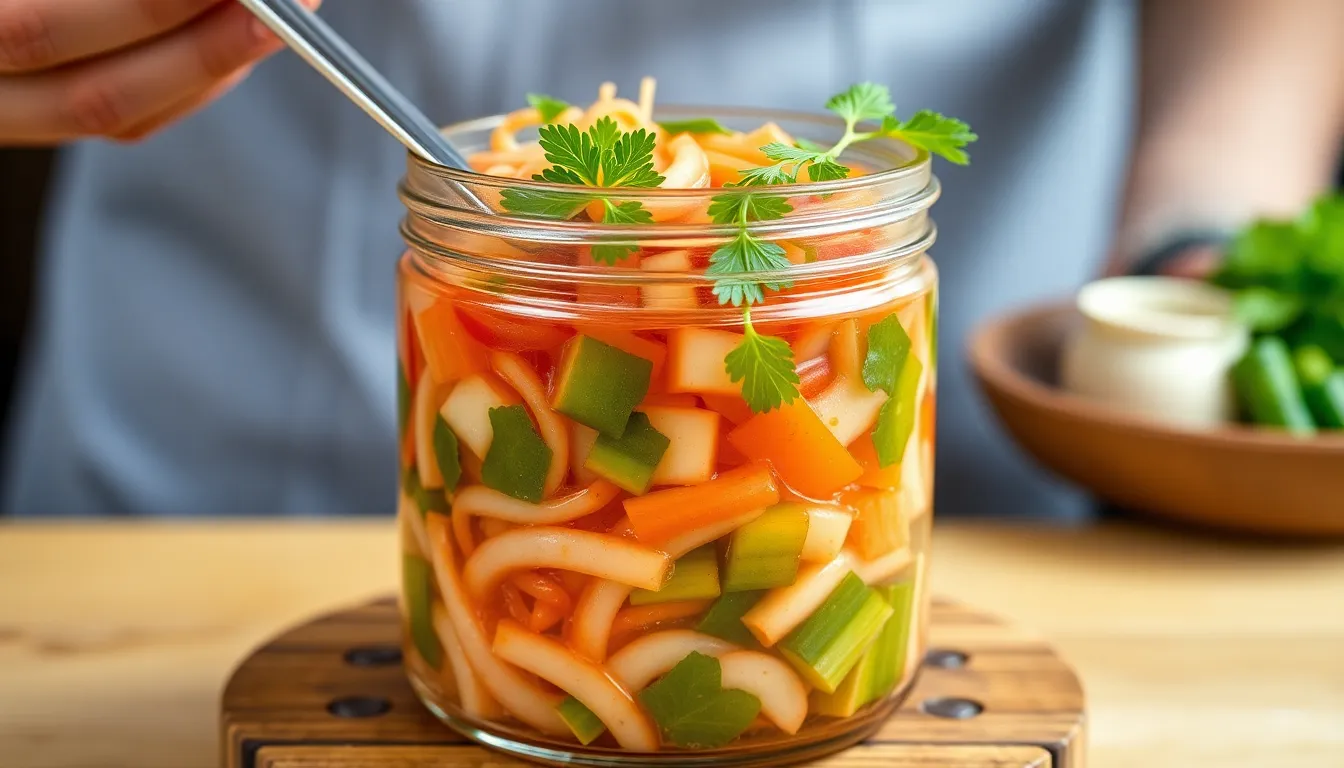
Korean Cooking Made Simple: 10 Recipes for Beginners
Korean cuisine is a delightful adventure for your taste buds, bursting with bold flavors, vibrant colors, and a harmonious blend of textures. The unique balance of sweet, spicy, salty, and sour notes makes it a culinary experience like no other. If you’re venturing into the world of Korean cooking, you’re in for a treat! This blog post is designed to introduce beginners to the basics of Korean cooking through 10 easy-to-follow recipes.
Before diving into the recipes, let’s explore the essential ingredients and fundamental techniques that will elevate your cooking and help you create authentic Korean dishes right at home.
Essential Ingredients for Korean Cooking
Stock Your Pantry: Must-Have Ingredients for Authentic Flavors
The key to mastering Korean dishes lies in understanding its essential ingredients. Here are some staples that you’ll want to have on hand:
| Ingredient | Description | Common Uses |
|---|---|---|
| Gochujang | Spicy fermented chili paste | Marinades, stews |
| Kimchi | Fermented vegetables | Side dish, main ingredient |
| Sesame Oil | Nutty oil | Dressings, stir-fries |
| Soy Sauce | Salty seasoning | Marinades, dipping sauces |
| Mirin | Sweet rice wine | Sauces, glazes |
Cooking Techniques to Master
From Stir-Frying to Fermenting: Techniques Every Beginner Should Know
In addition to the ingredients, mastering a few cooking techniques will make your experience in the kitchen much more enjoyable. Here are some common techniques to get acquainted with:
- Stir-Frying: A quick cooking method using high heat, perfect for retaining the crunch in vegetables and the tenderness of proteins.
- Boiling: Used for preparing broths and noodles, it’s essential for dishes like Japchae.
- Fermenting: The process that gives kimchi and many other Korean dishes their distinctive flavors.
Some equipment that can simplify your Korean cooking journey includes:
- Non-stick skillet or wok for stir-frying
- Fermentation jars for making kimchi
- Rice cooker for perfect rice every time
The Recipes
Recipe 1: Kimchi (Fermented Spicy Cabbage)
The Quintessential Korean Side Dish
Ingredients:
- 1 medium napa cabbage
- 1/4 cup sea salt
- 2 cups water
- 1/4 cup gochugaru (Korean red pepper flakes)
- 2 tablespoons fish sauce
- 1 tablespoon minced garlic
- 1 tablespoon minced ginger
- 2 teaspoons sugar
- 4 green onions, chopped
Instructions:
- Cut the napa cabbage into quarters and remove the core. Chop into smaller pieces, then soak in salted water for 2 hours.
- While the cabbage is soaking, prepare the kimchi paste by mixing gochugaru, fish sauce, garlic, ginger, sugar, and a bit of water until it forms a paste.
- Rinse the cabbage thoroughly and drain. Combine the cabbage with the kimchi paste and mix well.
- Add in the chopped green onions and mix again.
- Packing it tightly, transfer the kimchi to a clean jar. Leave it at room temperature for 1-2 days to ferment, then store in the refrigerator.
Recipe 2: Bibimbap (Mixed Rice)
A Flavorful Bowl of Harmony
Ingredients:
- 2 cups cooked brown rice
- 1 cup assorted vegetables (e.g., carrots, zucchini, spinach, mushrooms)
- 2 eggs
- 2 tablespoons gochujang
- 1 tablespoon sesame oil
- Sesame seeds for garnish
- Salt to taste
Instructions:
- Prepare your vegetables by julienning or slicing them thinly. Sauté each vegetable separately in sesame oil until cooked and season with salt.
- Fry the eggs sunny-side up in a separate pan.
- In a serving bowl, place a serving of rice and arrange the cooked vegetables and fried egg on top.
- Serve with gochujang on the side and sprinkle sesame seeds for garnish.
Recipe 3: Japchae (Sweet Potato Noodles)
A Colorful and Chewy Delight
Ingredients:
- 8 oz sweet potato noodles (dangmyeon)
- 1 cup mixed vegetables (carrots, bell peppers, spinach, mushrooms)
- 1/2 lb beef, thinly sliced (optional)
- 3 tablespoons soy sauce
- 2 tablespoons sesame oil
- 1 tablespoon sugar
- 2 cloves garlic, minced
- Sesame seeds for garnish
Instructions:
- Cook the sweet potato noodles according to package instructions, then drain and set aside.
- Sauté the beef (if using) until browned, then add garlic and vegetables. Stir-fry until vegetables are just tender.
- Add the cooked noodles to the pan along with soy sauce, sesame oil, and sugar. Toss everything together until well combined.
- Garnish with sesame seeds before serving.
Recipe 4: Korean BBQ Chicken
Grill Your Way to Flavor Town
Ingredients:
- 1 lb chicken thighs, boneless and skinless
- 1/4 cup soy sauce
- 2 tablespoons gochujang
- 2 tablespoons honey
- 2 cloves garlic, minced
- 1 tablespoon sesame oil
Instructions:
- In a bowl, mix soy sauce, gochujang, honey, garlic, and sesame oil to create the marinade.
- Marinate the chicken for at least 30 minutes (or overnight in the refrigerator for more flavor).
- Preheat your grill and cook the chicken until fully cooked and charred, about 6-7 minutes per side.
- Let rest for a few minutes before slicing and serving.
Recipe 5: Tteokbokki (Spicy Rice Cakes)
Street Food Magic at Home
Ingredients:
- 1 lb of Korean rice cakes (tteok)
- 2 cups water
- 3 tablespoons gochujang
- 1 tablespoon sugar
- 2 green onions, chopped
- 1 teaspoon sesame seeds for garnish
Instructions:
- In a pan, bring the water to a boil and add gochujang and sugar, stirring until combined.
- Add the rice cakes into the sauce and cook for about 10 minutes until they become soft and chewy.
- Stir in the green onions and serve hot, garnished with sesame seeds.
Recipe 6: Sundubu Jjigae (Soft Tofu Stew)
Comfort in a Bowl
Ingredients:
- 1 package of soft tofu
- 1/2 cup vegetables (zucchini, onion, or mushrooms)
- 1 tablespoon gochujang
- 1 tablespoon soy sauce
- 2 cups vegetable or chicken broth
- 1 egg
Instructions:
- In a pot, heat some oil and sauté the vegetables until they soften.
- Add gochujang and soy sauce, stirring for a minute.
- Pour in the broth and bring to a boil, then gently add the soft tofu.
- Simmer for about 10 minutes and crack an egg into the stew before serving.
Recipe 7: Bulgogi (Marinated Beef)
Sweet and Savory Perfection
Ingredients:
- 1 lb ribeye or sirloin, thinly sliced
- 1/4 cup soy sauce
- 2 tablespoons brown sugar
- 2 cloves garlic, minced
- 1 tablespoon sesame oil
- 2 green onions, chopped
Instructions:
- In a bowl, combine soy sauce, brown sugar, garlic, sesame oil, and green onions to create the marinade.
- Add the sliced beef and marinate for at least 1 hour in the refrigerator.
- Stir-fry the beef in a hot pan until fully cooked, about 5-7 minutes.
- Serve hot with rice or lettuce wraps.
Recipe 8: Kimbap (Korean Sushi Roll)
A Picnic Favorite
Ingredients:
- 2 cups cooked rice
- 4 sheets of seaweed (nori)
- 1 cucumber, cut into strips
- 1 carrot, cut into strips
- 4 eggs, scrambled and cooked into a flat omelet
- Salt and sesame oil to taste
Instructions:
- Season the cooked rice with salt and a dash of sesame oil.
- Place a sheet of nori on a bamboo mat, spread the rice evenly, and layer the cucumber, carrot, and omelet on top.
- Roll tightly, then slice into bite-sized pieces.
- Serve with soy sauce or pickled radish on the side.
Recipe 9: Spicy Pork Stir-Fry (Daeji Bulgogi)
Flavor-Packed and Quick to Prepare
Ingredients:
- 1 lb pork shoulder, thinly sliced
- 3 tablespoons gochujang
- 2 tablespoons soy sauce
- 2 tablespoons sugar
- 1 onion, sliced
- 1 bell pepper, sliced
- 2 tablespoons sesame oil
Instructions:
- In a bowl, combine gochujang, soy sauce, and sugar to create a marinade.
- Add the sliced pork and let it marinate for at least 30 minutes.
- In a hot pan, stir-fry the marinated pork with onions and bell peppers until cooked through.
- Drizzle sesame oil over the top before serving with rice.
Recipe 10: Korean Pancakes (Jeon)
Crispy and Flavorful Snack
Ingredients:
- 1 cup all-purpose flour
- 1 cup water
- 1/2 cup chopped green onions
- 1/2 cup grated zucchini (optional)
- Salt to taste
- Vegetable oil for frying
Instructions:
- In a bowl, mix flour, water, and salt until smooth. Stir in green onions and zucchini.
- Heat oil in a pan and pour in a ladleful of batter, spreading it out to form a pancake.
- Fry until golden on both sides, then drain on paper towels.
- Serve warm with soy sauce for dipping.
Conclusion
As you’ve seen, Korean cooking can be both simple and incredibly rewarding. With just a few essential ingredients and techniques, you can create an array of delicious dishes that showcase the rich flavors of this vibrant cuisine. Whether you’re preparing a comforting bowl of sundubu jjigae or a festive platter of kimbap, your culinary journey into Korean cooking is just beginning. So, gather your ingredients, put on your apron, and let the flavors of Korea inspire your next meal!