The Magic of Fenugreek Seeds: Culinary Uses and Benefits
Introduction
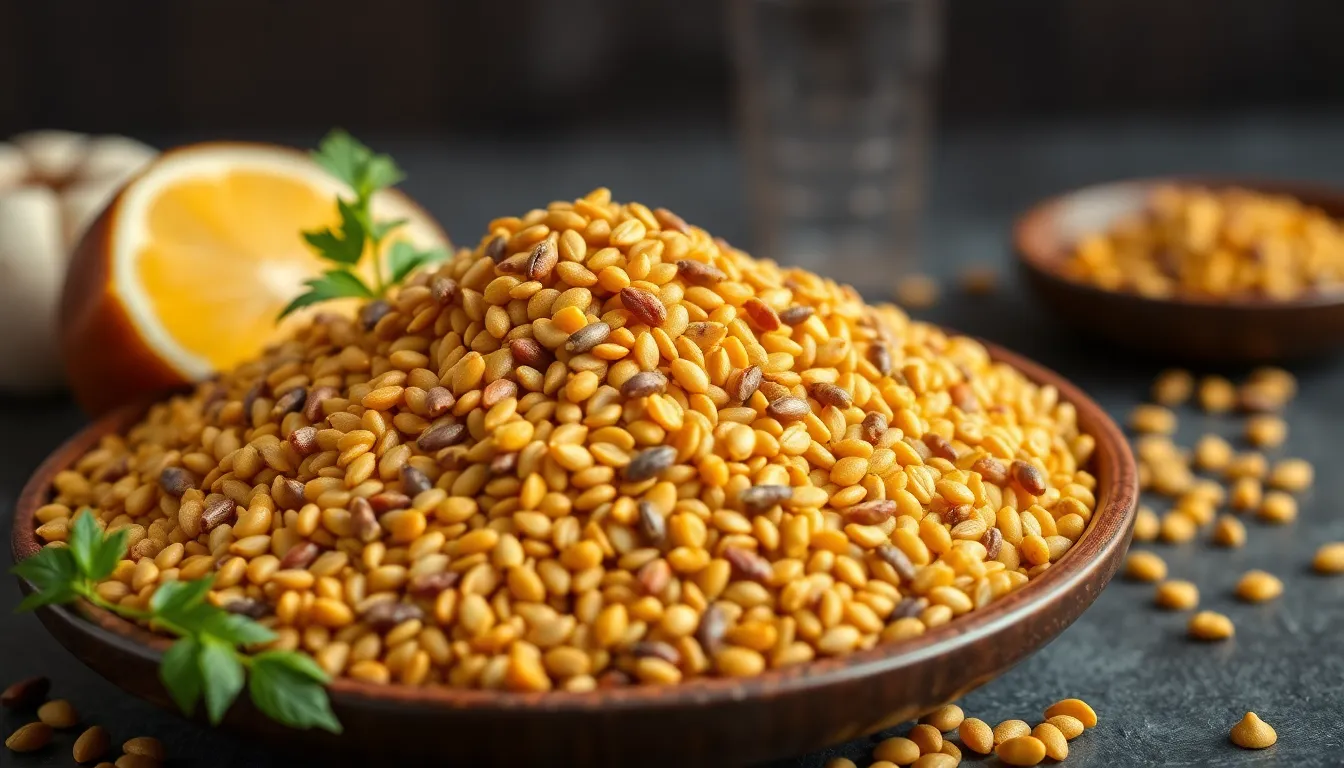
Fenugreek seeds, tiny yet potent, have captured the hearts of chefs and health enthusiasts alike for centuries. These golden-brown seeds, sourced from the Trigonella foenum-graecum plant, boast a unique flavor profile that can elevate a wide array of dishes. Historically, fenugreek has been revered not just for its culinary applications but also for its medicinal properties and cultural significance in various cuisines worldwide.
In this article, we will delve into the multi-faceted world of fenugreek seeds, exploring their rich history, nutritional benefits, and diverse culinary uses. From traditional dishes to innovative cooking techniques, we’ll uncover why fenugreek deserves a spot in your pantry.
Section 1: What Are Fenugreek Seeds?
1.1 Description and Origins
Fenugreek is a flowering plant found in the Mediterranean region, southern Europe, and western Asia. The seeds are harvested and dried for culinary and medicinal use. Fenugreek has a long history, dating back to ancient civilizations such as the Egyptians who used it for its healing properties, and the Indians who incorporated it into their cuisine and traditional medicine.
Over time, fenugreek has spread globally, becoming an essential ingredient in Indian curries, Middle Eastern breads, and even European dishes. Its versatility and rich flavor have solidified its place in kitchens around the world.
1.2 Nutritional Profile
Fenugreek seeds are not just flavorful; they are also packed with nutrients. Here’s a quick overview of their key nutritional components:
- Fiber: Fenugreek seeds are a rich source of dietary fiber, aiding in digestion and promoting gut health.
- Protein: They contain a significant amount of plant-based protein, making them an excellent choice for vegetarians and vegans.
- Vitamins and minerals: Fenugreek seeds provide various essential vitamins (like B vitamins) and minerals (including iron, magnesium, and manganese).
Section 2: Culinary Uses of Fenugreek Seeds
2.1 Traditional Dishes Featuring Fenugreek
Fenugreek seeds are an integral part of various traditional dishes across different cuisines. Here’s a glimpse into some popular dishes:
| Dish Name | Cuisine | Main Ingredients | Cooking Method |
|---|---|---|---|
| Fenugreek Curry | Indian | Fenugreek leaves, spices, yogurt | Simmering |
| Khichdi | Indian | Rice, lentils, fenugreek seeds | Boiling |
| Fattoush | Middle Eastern | Vegetables, toasted bread, fenugreek | Mixing |
2.2 Cooking Techniques with Fenugreek Seeds
There are several methods to incorporate fenugreek seeds into your cooking:
- Toasting and grinding: Toasting fenugreek seeds enhances their flavor. Once toasted, they can be ground into a powder for use in spice blends.
- Soaking and sprouting: Soaking fenugreek seeds overnight and then sprouting them can add a nutty flavor to salads while boosting nutritional value.
- Infusing in oils: Fenugreek seeds can be infused in cooking oils to enhance flavor, making them a great addition to dressings and marinades.
Section 3: Health Benefits of Fenugreek Seeds
3.1 Digestive Health
One of the most notable benefits of fenugreek seeds is their positive impact on digestive health. The high fiber content aids in digestion by:
- Promoting regular bowel movements.
- Preventing constipation.
- Reducing symptoms of bloating and gas.
Traditionally, fenugreek has been used to treat digestive disorders such as indigestion and gastritis.
3.2 Blood Sugar Regulation
Research indicates that fenugreek seeds may help in managing blood sugar levels, especially for individuals with diabetes. Several studies have shown that fenugreek can:
- Improve insulin sensitivity.
- Reduce blood sugar levels after meals.
- Lower glycemic index of foods, making them easier to digest for diabetics.
3.3 Anti-inflammatory and Antioxidant Properties
Fenugreek seeds are rich in antioxidants and anti-inflammatory compounds. These properties can help in:
- Reducing inflammation in the body.
- Fighting oxidative stress, which is linked to chronic diseases.
- Supporting overall health and wellness.
Section 4: How to Incorporate Fenugreek Seeds into Your Diet
4.1 Tips for Cooking with Fenugreek
When incorporating fenugreek seeds into your cooking, consider the following tips:
- Suggested measurements: Start with a teaspoon of fenugreek seeds for a mild flavor, and adjust according to your taste preference.
- Cooking times: Toasting seeds takes about 2-3 minutes, while soaking them for sprouting requires at least 6-8 hours.
- Pairing: Fenugreek seeds pair well with spices like cumin, coriander, and turmeric, as well as ingredients such as yogurt, lentils, and vegetables.
4.2 Recipes to Try
Here are some simple recipes to help you start using fenugreek seeds in your meals:
Recipe 1: Fenugreek Tea
Ingredients:
- 1 teaspoon fenugreek seeds
- 2 cups water
- Honey (optional)
Instructions:
- Boil water in a saucepan.
- Add fenugreek seeds and let it simmer for 10 minutes.
- Strain the tea into a cup, add honey if desired, and enjoy!
Recipe 2: Simple Fenugreek Curry
Ingredients:
- 2 cups fresh fenugreek leaves (or 2 tablespoons dried fenugreek seeds)
- 1 onion, finely chopped
- 2 tomatoes, pureed
- 1 teaspoon cumin seeds
- 1 teaspoon turmeric powder
- Salt to taste
- 2 tablespoons oil
Instructions:
- Heat oil in a pan and add cumin seeds until they splutter.
- Add chopped onions and sauté until golden brown.
- Stir in the pureed tomatoes and spices. Cook for 5-7 minutes.
- Add fenugreek leaves and cook until wilted. Season with salt.
- Serve hot with rice or bread.
Recipe 3: Fenugreek and Lentil Salad
Ingredients:
- 1 cup cooked lentils
- 1 tablespoon sprouted fenugreek seeds
- 1 cucumber, diced
- 1 tomato, diced
- 1/4 onion, finely chopped
- Juice of 1 lemon
- Salt and pepper to taste
Instructions:
- In a bowl, mix all the ingredients together.
- Drizzle with lemon juice, and season with salt and pepper.
- Toss well and serve chilled.
Conclusion
Fenugreek seeds are a true culinary gem, offering a delightful flavor while also providing numerous health benefits. From enhancing traditional dishes to being a powerful ally in your health journey, fenugreek is a versatile ingredient that should not be overlooked. Whether you’re a seasoned chef or a novice cook, integrating fenugreek into your meals can add depth, flavor, and nutrition. The next time you’re in the kitchen, consider reaching for this magical spice and let it elevate your cooking to new heights!