The Herb of the Month: Spotlight on Chamomile
Introduction
Chamomile, a beloved flower known for its soothing properties, has graced various cultures for centuries. Originating from Europe and parts of Asia, this herb has gained popularity worldwide, becoming a staple in herbal teas and culinary creations alike. Its delicate, daisy-like appearance and sweet, apple-like aroma make it both a visual and aromatic delight in gardens and kitchens.
Herbs like chamomile play a significant role in cooking, not just for their flavors but also for their health benefits. In this article, we’ll delve into the world of chamomile, exploring its description, nutritional profile, culinary uses, and even how to grow and harvest this enchanting herb. Join me on this fragrant journey!
1. What is Chamomile?
1.1 Description
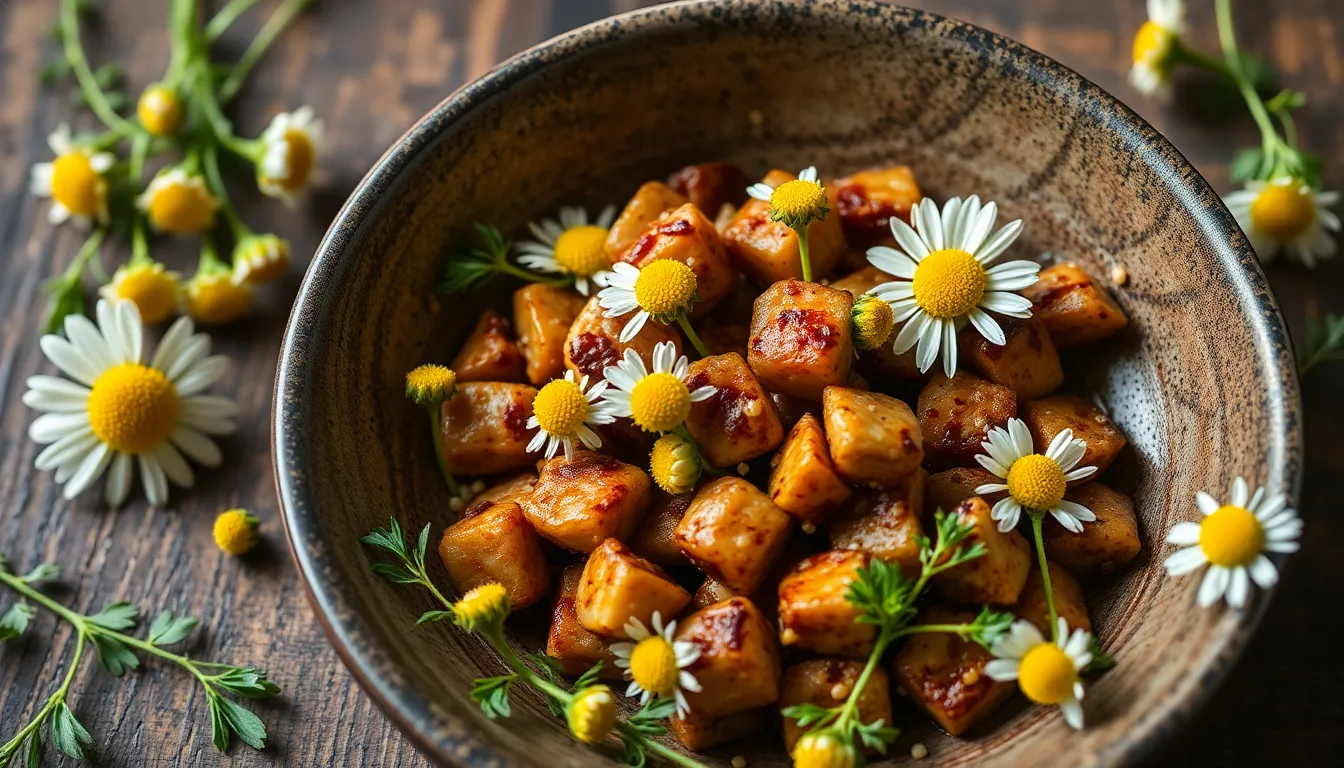
Chamomile belongs to the Asteraceae family and comes in two primary varieties: German chamomile (Matricaria chamomilla) and Roman chamomile (Chamaemelum nobile). These flowers are characterized by their white petals surrounding a yellow center, resembling tiny daisies.
While German chamomile is an annual plant that grows tall with a more robust flavor, Roman chamomile is a perennial herb known for its low-growing stature and sweeter taste.
1.2 Nutritional Profile
Chamomile is rich in several vitamins and minerals, making it not only a culinary delight but also a health booster. Here’s a brief overview of its nutritional profile per 100 grams:
- Calories: 0
- Calcium: 1 mg
- Iron: 0.1 mg
- Magnesium: 0.2 mg
- Vitamin C: 1 mg
While chamomile is generally consumed in smaller quantities, its benefits are profound, primarily derived from its essential oils and flavonoids.
1.3 Health Benefits
Chamomile is celebrated for its myriad health benefits:
- Calming Effects: Known for its sedative properties, chamomile is commonly consumed as tea to help reduce anxiety and promote sleep.
- Digestive Aid: Chamomile has been traditionally used to alleviate digestive issues, including bloating and indigestion.
- Anti-inflammatory Properties: The herb is rich in antioxidants, which can help reduce inflammation and support overall health.
2. Culinary Uses of Chamomile
2.1 Flavor Profile
Chamomile has a gentle, sweet, and slightly floral flavor, reminiscent of apples. This unique taste makes it a versatile ingredient that can enhance both sweet and savory dishes.
2.2 Cooking with Chamomile
Incorporating chamomile into your culinary repertoire can be an exciting adventure. Here are some ideas:
- Infusions: Use dried chamomile flowers to infuse oils, syrups, or vinegars. This technique can add a subtle floral note to your dishes.
- Teas: The most common use, chamomile tea can be enjoyed on its own or blended with other herbs for a unique flavor profile.
- Desserts: Chamomile can be added to cakes, cookies, and custards for a delightful taste twist.
2.3 Chamomile in Beverages
Chamomile makes a fantastic base for various drinks. Here are some delightful recipes to try:
- Chamomile-Infused Lemonade: Combine chamomile tea with fresh lemon juice and a bit of honey for a refreshing drink.
- Chamomile Smoothie: Blend chamomile tea with yogurt, banana, and a handful of spinach for a nutritious smoothie.
- Chamomile Cocktail: Mix chamomile-infused vodka with tonic water and a splash of lime for an elegant cocktail.
Chamomile Recipe Ideas
| Recipe | Type | Key Ingredients | Preparation Time |
|---|---|---|---|
| Chamomile Tea | Beverage | Chamomile flowers, water, honey | 5 mins |
| Chamomile Shortbread Cookies | Dessert | Butter, sugar, chamomile, flour | 30 mins |
| Chamomile Lemonade | Beverage | Chamomile tea, lemon juice, sugar | 10 mins |
| Chamomile-Infused Olive Oil | Condiment | Olive oil, chamomile flowers | 1 hour |
3. Growing and Harvesting Chamomile
3.1 Growing Chamomile at Home
Growing chamomile at home is a rewarding experience. Here are some tips to get you started:
- Location: Choose a sunny spot in your garden or a pot with good drainage.
- Soil: Chamomile thrives in well-drained, sandy soil.
- Watering: Keep the soil slightly moist but avoid overwatering to prevent root rot.
- Spacing: Plant seeds or seedlings about 8-12 inches apart to allow them room to grow.
3.2 Harvesting Chamomile
When it comes to harvesting chamomile, timing is crucial. Here are the best practices:
- Harvest chamomile flowers in the morning after the dew has dried, but before the sun is too strong.
- Cut the flowers just above the leaf node to promote new growth.
- Ensure that you only collect flowers that are fully open for the best flavor.
4. Chamomile: Beyond Cooking
4.1 Chamomile in Herbal Remedies
Chamomile has a long history in traditional medicine. It’s commonly used in teas for its calming effects and ability to relieve digestive ailments. Some additional uses include:
- As a sleep aid – many people drink chamomile tea before bedtime.
- To soothe minor skin irritations when applied topically as an infusion.
- In tinctures and capsules for more concentrated doses.
4.2 Chamomile in Beauty Products
The gentle properties of chamomile extend to skincare and haircare products:
- Skincare: Chamomile extracts are often used in lotions and creams for their anti-inflammatory benefits.
- Haircare: Chamomile tea can be used as a rinse to lighten hair naturally and soothe the scalp.
- Bath Products: Chamomile is a common ingredient in bath oils and salts for a relaxing soak.
Conclusion
Chamomile is more than just a pretty flower; it’s a culinary and medicinal powerhouse. Whether you’re sipping a calming cup of chamomile tea, baking it into delicate cookies, or using it in your skincare routine, this versatile herb brings a wealth of benefits to the table. Embrace the soothing nature of chamomile and let it inspire your cooking, gardening, and wellness practices. Happy cooking!