The Herb of the Month: Spotlight on Nasturtium
Welcome to another edition of our “Herb of the Month” series, where we dive deep into the characteristics, benefits, and culinary uses of a featured herb. This month, we shine the spotlight on Nasturtium, a vibrant and versatile herb that can elevate dishes and bring a burst of color to your garden. Join us as we explore its history, nutritional benefits, culinary applications, and even some delicious recipes to try at home!
Section 1: What is Nasturtium?
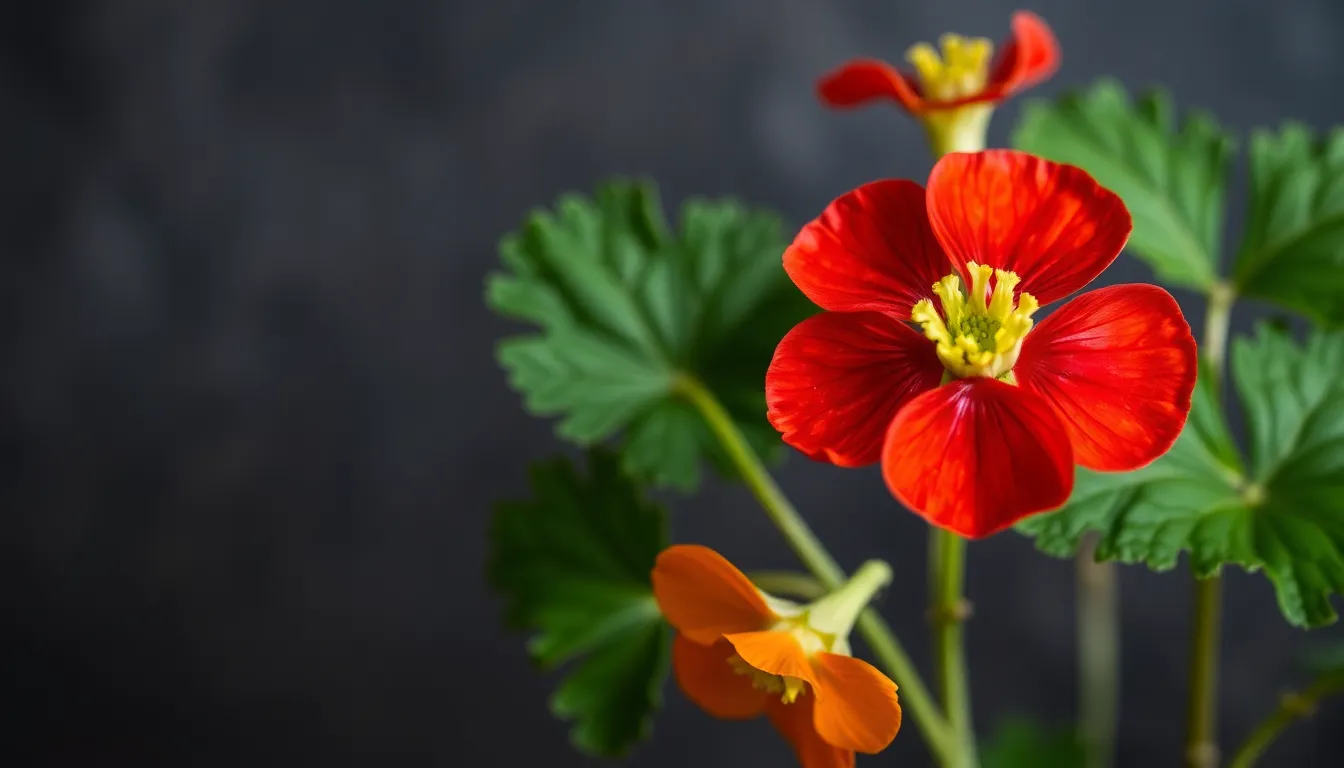
Nasturtium, scientifically classified under the genus Tropaeolum, is a flowering plant known for its beautiful, edible flowers and peppery leaves. With a rich history and various uses, Nasturtium has been appreciated not only for its culinary qualities but also for its ornamental value in gardens.
Definition and botanical classification
Nasturtium belongs to the family Tropaeolaceae. It is predominantly grown as an annual plant in most climates, although some varieties can be perennial. The most commonly cultivated species include:
- Tropaeolum majus – Commonly known as garden nasturtium, featuring larger flowers and leaves.
- Tropaeolum minus – Known for its smaller size and delicate flowers.
Historical significance and origin
Originally from South America, Nasturtium was brought to Europe in the 16th century, where it quickly gained popularity due to its culinary versatility and medicinal properties. The name “Nasturtium” is derived from the Latin word “nasus,” meaning nose, and “tortus,” meaning twisted, a nod to the pungent aroma of the plant.
Section 2: Nutritional Benefits
Not only does Nasturtium add flavor and color to dishes, but it is also packed with nutrients. Its leaves, flowers, and seeds are all edible and provide various health benefits.
Overview of the nutritional profile of Nasturtium
- Vitamins and minerals: Nasturtium is a rich source of Vitamin C, Calcium, and Iron.
- Antioxidants and health benefits: It contains antioxidants that help combat free radicals, supporting overall health.
Nutritional Profile of Nasturtium
| Nutrient | Amount per 100g |
|---|---|
| Calories | 35 |
| Vitamin C | 47 mg |
| Calcium | 81 mg |
| Iron | 0.8 mg |
| Beta Carotene | 1,100 µg |
Incorporating Nasturtium into your diet can enhance your overall health, supporting immune function and providing essential nutrients.
Section 3: Culinary Uses of Nasturtium
Nasturtium boasts a unique peppery flavor that is reminiscent of arugula, making it an excellent addition to various culinary applications. Its vibrant colors and stunning flowers can elevate the visual appeal of any dish.
Common culinary applications:
- Salads: Fresh leaves and flowers can be tossed into salads for a peppery kick.
- Garnishes: Use Nasturtium flowers as a colorful garnish on soups and entrees.
- Pesto and sauces: Blend leaves into pestos or sauces for a unique flavor.
Tips for pairing Nasturtium with other ingredients
- Complement with citrus fruits for a refreshing salad.
- Pair with cheese, especially goat cheese, for a delicious contrast.
- Combine with grains like quinoa and rice for added texture and flavor.
Section 4: Growing Nasturtium at Home
Growing Nasturtium at home is relatively easy, making it an excellent option for home gardeners, whether you have a large garden or just a few pots on a balcony.
Ideal growing conditions
- Full sun to partial shade.
- Well-drained soil enriched with organic matter.
- Moderate watering; allow the soil to dry out between waterings.
Tips for planting and caring for Nasturtium
- Start seeds indoors or directly sow them in the garden after the last frost.
- Space plants about 10-12 inches apart to allow for growth.
- Regularly pinch back the flowers to promote bushier growth.
Harvesting and storing Nasturtium
Harvest leaves and flowers in the morning for the best flavor and freshness. Store them in a damp paper towel in the refrigerator for a short-term option, or dry the leaves for later use in cooking.
Section 5: Delicious Nasturtium Recipes
Recipe 1: Nasturtium Salad with Citrus Vinaigrette
Ingredients:
- 2 cups Nasturtium leaves
- 1 cup Nasturtium flowers
- 1 orange, segmented
- 1/4 cup olive oil
- 2 tablespoons white wine vinegar
- Salt and pepper to taste
Instructions:
- In a salad bowl, combine Nasturtium leaves, flowers, and orange segments.
- In a small bowl, whisk together olive oil, vinegar, salt, and pepper.
- Drizzle the dressing over the salad and toss gently to combine.
- Serve immediately and enjoy!
Recipe 2: Nasturtium Pesto
Ingredients:
- 2 cups Nasturtium leaves
- 1/2 cup nuts (pine nuts or walnuts)
- 1/2 cup grated Parmesan cheese
- 1/2 cup olive oil
- 2 cloves garlic
- Salt to taste
Instructions:
- Add Nasturtium leaves, nuts, Parmesan cheese, garlic, and salt to a food processor.
- Blend until finely chopped.
- While the processor is running, slowly drizzle in the olive oil until smooth.
- Use immediately with pasta, sandwiches, or as a dip.
Recipe 3: Stuffed Nasturtium Leaves
Ingredients:
- 10 large Nasturtium leaves
- 1 cup cooked quinoa
- 1/2 cup feta cheese, crumbled
- 1/4 cup chopped herbs (parsley, mint)
- 1 tablespoon lemon juice
- Salt and pepper to taste
Instructions:
- In a bowl, combine quinoa, feta cheese, herbs, lemon juice, salt, and pepper.
- Lay a Nasturtium leaf flat and place a spoonful of the quinoa mixture at the base.
- Roll the leaf up, tucking in the sides as you go, to create a stuffed roll.
- Repeat with remaining leaves and serve as a delightful appetizer.
Section 6: Fun Facts and Tips
Did you know that Nasturtium can also be used as a natural pest deterrent in your garden? Its strong scent can repel aphids, making it a great companion plant.
Interesting trivia about Nasturtium
- Nasturtium flowers are often used in gourmet cuisine due to their striking colors and unique flavor.
- The seeds can be pickled and used as a substitute for capers.
- In some cultures, Nasturtium is believed to have medicinal properties, such as promoting digestion and boosting the immune system.
Tips for using Nasturtium creatively in dishes
- Add the flowers to ice cubes for a beautiful garnish in drinks.
- Incorporate leaves into sandwiches for added flavor.
- Use Nasturtium petals to decorate cakes and desserts for a whimsical touch.
How to incorporate Nasturtium into seasonal menus
Nasturtium is versatile enough to be integrated into spring and summer menus. Use it in fresh salads, bright summer pasta dishes, or as a vibrant garnish for grilled meats.
Conclusion
Nasturtium is not just a pretty face in the garden; its culinary versatility, nutritional benefits, and striking appearance make it a fantastic herb to incorporate into your cooking. From salads to pestos, the possibilities are endless. We encourage you to experiment with Nasturtium and discover how it can enhance your dishes.
Have you tried cooking with Nasturtium? We’d love to hear about your experiences or any recipes you’ve developed. Share your thoughts in the comments below!
Call to Action
Don’t forget to subscribe to our blog for more delightful herb-focused recipes and cooking tips! Join us next month as we continue our journey through the wonderful world of herbs.