table {
width: 100%;
border-collapse: collapse;
margin: 20px 0;
}
th, td {
border: 1px solid #dddddd;
text-align: left;
padding: 8px;
}
th {
background-color: #f2f2f2;
}
How to Dehydrate Squash: A Versatile Ingredient
Introduction
Dehydrating squash is not only a great way to preserve this delicious vegetable, but it also transforms it into a versatile ingredient that can be used in a variety of dishes. By removing moisture, dehydrated squash has a longer shelf life and can be packed with flavor. This article will guide you through the entire process of dehydrating squash, from selecting the right type to preparing it, the various dehydration methods, storage tips, and culinary uses.
Section 1: Choosing the Right Squash
Before you start the dehydration process, it’s essential to choose the right type of squash. Here’s an overview of different squash varieties that are suitable for dehydrating:
- Zucchini: Mild flavor and soft texture make it easy to dehydrate. Best used in soups and casseroles.
- Yellow Squash: Similar texture to zucchini but with a slightly sweeter flavor. Great for snacks and dishes.
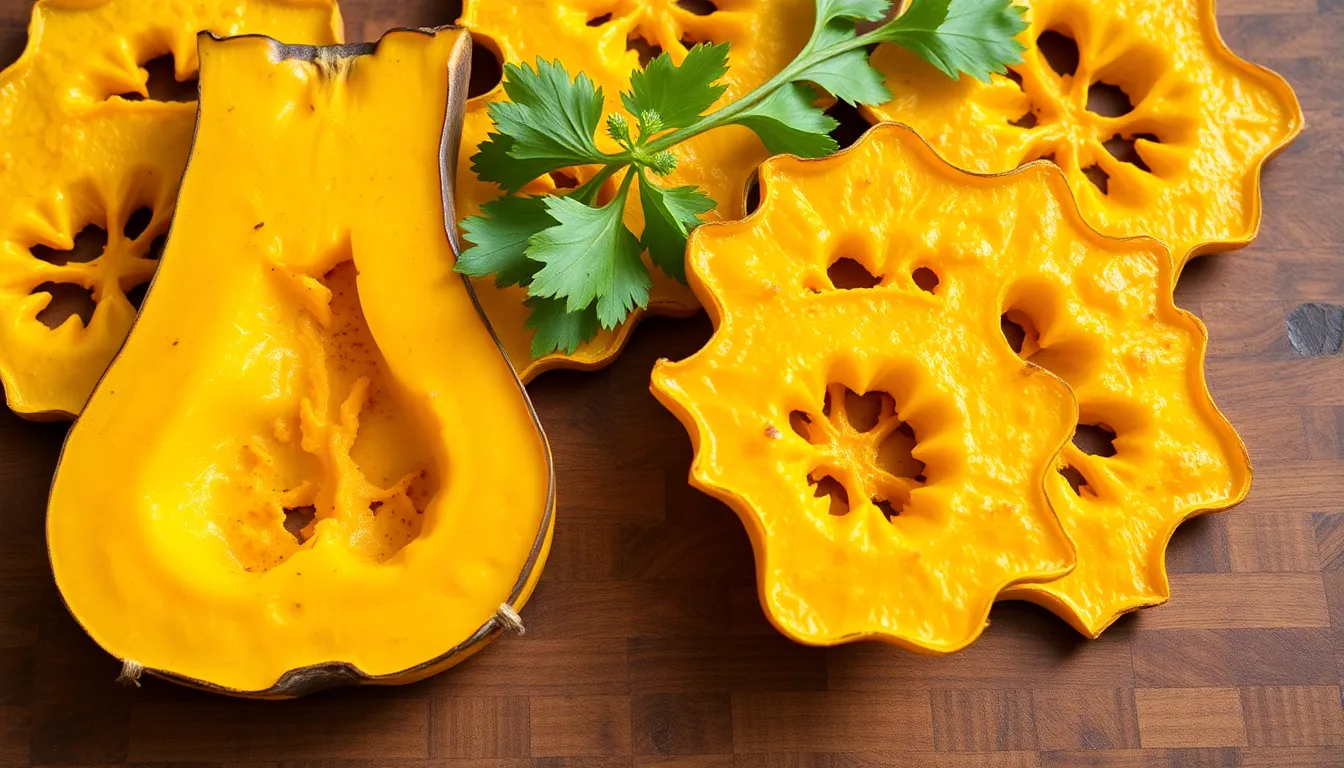
- Butternut Squash: A dense texture with a nutty flavor. Excellent for soups and purees.
Tips on Selecting Fresh Squash
- Look for squash that has a firm skin and no soft spots.
- Avoid any squash that has blemishes or signs of mold.
- Choose medium-sized squash for the best balance of flavor and moisture.
Pros and Cons of Each Type
| Type of Squash | Pros | Cons |
|---|---|---|
| Zucchini | Quick to dehydrate, versatile in recipes | Can become mushy if over-hydrated |
| Yellow Squash | Rich flavor, great for snacks | Requires careful drying to avoid sogginess |
| Butternut Squash | Sweet flavor, excellent for soups | Longer drying time |
Section 2: Preparing Squash for Dehydration
Preparation is key to successful dehydration. Follow these steps to wash and slice your squash:
Step-by-Step Guide to Washing and Slicing Squash
- Wash the squash under cold water to remove any dirt or pesticides.
- Trim the ends off and cut the squash in half lengthwise.
- Scoop out the seeds with a spoon if necessary.
- Slice the squash into uniform pieces. Aim for a thickness of about 1/4 inch for optimal dehydration.
Optional: Blanching Process
Blanching is not always necessary, but it can help preserve color and nutrients, especially for certain squash types. To blanch:
- Bring a pot of water to a boil.
- Add the sliced squash and blanch for 2-3 minutes.
- Immediately transfer to an ice bath to stop the cooking process.
- Drain and pat dry before dehydrating.
Importance of Uniformity in Cutting
Uniform cutting ensures that all pieces dehydrate at the same rate, preventing some pieces from being over-dried while others remain chewy. Use a mandoline slicer for consistent thickness if available.
Section 3: Methods for Dehydrating Squash
There are several methods for dehydrating squash, each with its own advantages. Here, we’ll outline three popular methods: using a food dehydrator, the oven, and air drying.
3.1 Using a Food Dehydrator
A food dehydrator is one of the most effective tools for drying squash. Here’s how to use it:
- Arrange the sliced squash in a single layer on the dehydrator trays.
- Set the dehydrator to 125°F (52°C).
- Dry for about 6-8 hours, checking periodically.
- To check for doneness, pieces should be leathery and break easily when bent but shouldn’t be brittle.
3.2 Oven Dehydration
If you don’t have a dehydrator, the oven can work just as well:
- Preheat the oven to 140°F (60°C). If your oven doesn’t go that low, use the lowest setting available.
- Place the sliced squash on a baking sheet lined with parchment paper.
- Keep the oven door slightly ajar to allow moisture to escape.
- Dry for about 4-6 hours, checking for doneness regularly.
3.3 Air Drying
Air drying is the simplest but requires ideal conditions:
- Choose a warm, dry, and well-ventilated area.
- Spread the squash slices on a screen or rack, ensuring they are not touching.
- Air drying can take several days depending on humidity and temperature.
Section 4: Storing Dehydrated Squash
Proper storage is crucial to maintain the quality of dehydrated squash.
Best Practices for Storing Dehydrated Squash
- Allow the squash to cool completely before storing.
- Avoid exposure to light and moisture.
- Consider using vacuum-sealed bags for optimal freshness.
Recommended Storage Containers
- Vacuum-sealed bags
- Airtight jars or containers
- Mylar bags with oxygen absorbers
Tips on How to Label and Date Your Squash
Always label your containers with the date of dehydration and type of squash. This helps keep track of freshness, as dehydrated squash can last for up to a year when stored properly.
Section 5: Culinary Uses for Dehydrated Squash
Dehydrated squash can be used in a myriad of ways, adding flavor and nutrition to your meals. Here are some creative ideas:
Creative Ideas for Incorporating Dehydrated Squash into Recipes
- Soups and Stews: Rehydrate and add to your favorite soups for a rich flavor.
- Casseroles: Mix with rice or pasta for added nutrition.
- Snacks: Rehydrate and season to make chips or mix into trail mix.
Recipe Ideas with Dehydrated Squash
| Recipe Name | Ingredients | Preparation Steps |
|---|---|---|
| Butternut Squash Soup | 2 cups dehydrated butternut squash, 1 onion, 4 cups vegetable broth, salt, pepper | Rehydrate squash in broth, sauté onion, blend everything together. |
| Zucchini Casserole | 1 cup dehydrated zucchini, 1 cup rice, 2 cups cheese, spices | Rehydrate zucchini, mix with rice and cheese, bake until golden. |
| Yellow Squash Chips | 1 cup dehydrated yellow squash, olive oil, salt | Rehydrate, coat with oil, bake until crispy. |
Section 6: Tips and Tricks
To make your dehydrating experience successful, consider these tips and tricks:
Common Pitfalls to Avoid When Dehydrating Squash
- Overcrowding the dehydrator or baking sheet.
- Using thick slices that won’t dry evenly.
- Skipping the cooling process before storing.
How to Rehydrate Squash Properly
To rehydrate, simply soak the dehydrated squash in warm water for about 20-30 minutes or until it reaches the desired texture.
Ideas for Seasoning Before Dehydrating for Added Flavor
Season your sliced squash with herbs, spices, or marinades before dehydrating for an extra flavor kick. Consider using:
- Garlic powder
- Onion powder
- Smoked paprika
- Italian herbs
Conclusion
Dehydrating squash opens up a world of culinary possibilities. Not only does it allow for long-term storage, but it also enhances the flavor and nutritional value of your meals. We encourage you to experiment with different recipes, techniques, and squash varieties. Share your experiences with dehydrated squash in the comments below, and don’t hesitate to reach out with any questions!
Additional Resources
Reader Engagement
What has been your experience with dehydrating squash? Have you tried different types or methods? We’d love to hear your thoughts and tips in the comments below!
Share your favorite dehydrated squash recipes on social media and tag us!