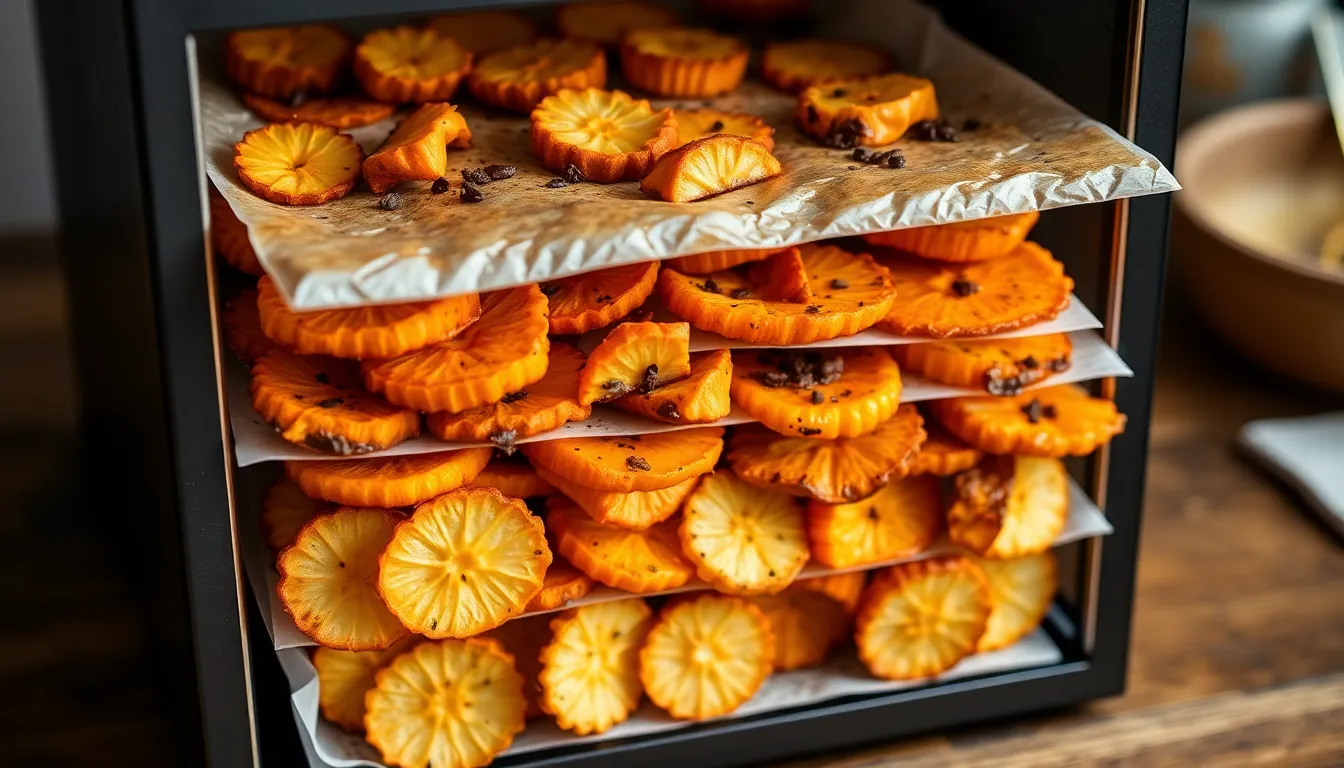
The Pros and Cons of Dehydrating Food at Home
Food preservation has been an integral part of human history, ensuring that we have access to nourishing sustenance throughout the year. Among the various methods available, dehydration stands out as a popular and effective technique. This article explores food dehydration’s benefits and drawbacks when done at home, providing you with a comprehensive understanding to make informed choices.
Section 1: What is Food Dehydration?
Definition of Food Dehydration
Food dehydration is the process of removing moisture from food to inhibit the growth of bacteria, yeasts, and molds, ultimately extending shelf life. By reducing the water content, we can create lightweight, nutritious snacks that are easy to store and transport.
Historical Context: Traditional Methods vs. Modern Techniques
Historically, food dehydration was a necessity for preserving harvests. Methods included sun-drying, air drying, and smoking. Today, modern techniques employ electric dehydrators, which provide precise temperature and airflow control, making the process more efficient and reliable.
Common Foods that Can Be Dehydrated
Virtually any food can be dehydrated, but some of the most popular options include:
- Fruits: Apples, bananas, strawberries, and mangoes.
- Vegetables: Tomatoes, bell peppers, carrots, and zucchini.
- Herbs: Basil, oregano, and thyme.
- Meats: Beef jerky and chicken strips.
- Grains: Rice and oats.
Section 2: The Pros of Dehydrating Food at Home
A. Nutritional Benefits
- Retention of Vitamins and Minerals: Dehydrating foods at lower temperatures helps preserve essential nutrients that could be lost during other cooking methods.
- Concentration of Flavors: The dehydration process intensifies flavors, making them richer and more pronounced in dishes.
B. Cost-Effectiveness
- Savings Compared to Buying Commercially Dehydrated Foods: Making your own dehydrated snacks can save a considerable amount of money.
- Reducing Food Waste: Dehydrating surplus produce can help minimize waste and maximize your grocery budget.
C. Convenience and Versatility
- Easy Storage and Long Shelf Life: Dehydrated foods occupy less space and can last for months or even years when stored correctly.
- Variety of Uses in Recipes: Dehydrated ingredients can enhance a wide array of dishes, from soups to trail mixes.
D. Control Over Ingredients
- No Preservatives or Additives: When you dehydrate at home, you know exactly what’s in your food.
- Customization of Flavors and Seasonings: You have the freedom to experiment with different flavor combinations and spice levels.
Section 3: The Cons of Dehydrating Food at Home
A. Time-Consuming Process
While hydration can be rewarding, it can also be time-consuming. The process involves:
- Preparation: This includes washing, peeling, and slicing foods.
- Dehydration: Depending on the food and method used, dehydration can take several hours.
Compared to other preservation methods like freezing or canning, dehydration often requires more hands-on time and patience.
B. Initial Investment
Investing in a high-quality dehydrator can be a significant upfront cost. While some alternatives exist, such as using an oven, they may not provide the same results. Here’s a quick comparison:
| Appliance | Cost | Efficiency |
|---|---|---|
| Dehydrator | $50 – $300 | High |
| Oven | Varies | Moderate |
C. Potential Nutrient Loss
Improper dehydration can lead to nutrient loss. Factors include:
- Temperature: Too high can degrade vitamins.
- Time: Over-dehydrating can also affect nutrients.
It’s crucial to follow guidelines to maintain food quality and safety.
D. Texture and Flavor Changes
Dehydrated foods often have different textures and flavors compared to their fresh counterparts. Some potential issues include:
- Dryness: Over-dehydrated foods can become hard and unpalatable.
- Flavor: Some foods may lose their appeal after drying.
Not all foods dehydrate well, and some may not be suitable for drying.
Section 4: HTML Table – Pros and Cons Comparison
| Pros | Cons |
|---|---|
| Nutritional retention | Time-consuming process |
| Cost-effective | Initial investment required |
| Convenient storage | Potential nutrient loss |
| Control over ingredients | Texture and flavor changes |
Section 5: Tips for Successful Food Dehydration
To make the most of your food dehydration efforts, consider the following tips:
Choosing the Right Dehydrator
- Look for a dehydrator with adjustable temperature settings.
- Consider models with a fan for better airflow and even drying.
- Opt for one with a timer for convenience.
Prepping Food Properly
- Slice fruits and vegetables evenly for uniform drying.
- Blanch vegetables before dehydration to preserve color and texture.
- Marinate meats to enhance flavors before drying.
Best Practices for Storage After Dehydration
- Store dehydrated foods in airtight containers to prevent moisture absorption.
- Keep them in a cool, dark place to maintain freshness.
- Label containers with the date of dehydration for easy tracking.
Section 6: Conclusion
Food dehydration is a rewarding process that offers numerous benefits, including nutritional retention, cost-effectiveness, and control over ingredients. However, it’s essential to keep in mind the time commitment, initial investment, and potential drawbacks associated with this method. By approaching food dehydration with the right knowledge and tools, you can create delicious, long-lasting snacks that enhance your culinary repertoire.
We encourage you to experiment with dehydrating at home and share your experiences in the comments below. If you have any questions, feel free to ask!
Call to Action
If you found this article helpful, consider subscribing to our blog for more tips and recipes that celebrate the joys of cooking and food preservation. Don’t forget to share this article on social media to help others discover the fascinating world of food dehydration!
Additional Resources