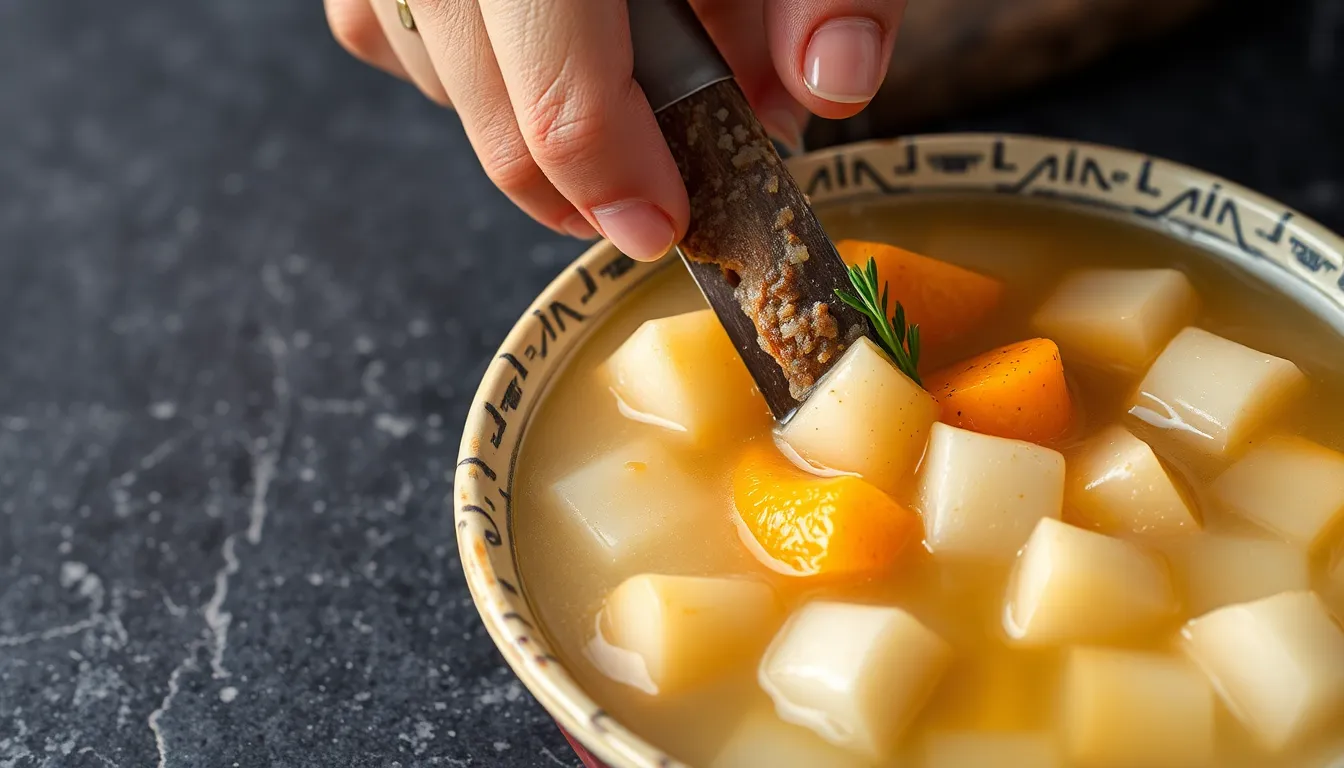
How to Blanch and Prepare Squash for Cooking
Introduction
Blanching is a cooking technique that involves briefly boiling food before plunging it into ice water to stop the cooking process. This method is particularly important when it comes to cooking squash, as it not only preserves the vibrant color and fresh flavor but also helps in retaining essential nutrients.
Blanching squash can enhance your culinary creations, making them more appealing and nutritious. Various types of squash can be blanched, including zucchini, butternut, and acorn squash. Each type has its own unique flavor and texture, providing endless opportunities for delicious meals.
Section 1: What You Need to Prepare for Blanching
Subsection 1.1: Ingredients
- Types of squash (e.g., zucchini, butternut, acorn)
- Salt (optional, for flavor)
- Ice water (for shocking)
Subsection 1.2: Equipment
- Large pot
- Slotted spoon
- Bowl for ice water
- Cutting board and knife
Section 2: Step-by-Step Guide to Blanching Squash
Step 1: Prepare the Squash
Before blanching, it’s essential to wash and cut the squash properly. Here are some tips for cutting different types of squash:
| Type of Squash | Recommended Cutting Method | Size (inches) | Purpose |
|---|---|---|---|
| Zucchini | Slices | 1/4 | Stir-fry, sauté |
| Butternut | Cubes | 1 | Soups, casseroles |
| Acorn | Wedges | 1-2 | Roasting |
Step 2: Boil Water
Fill a large pot with water and bring it to a rolling boil over high heat. Adding salt to the water is optional, but it can enhance the flavor of the squash. Use about 1 tablespoon of salt per gallon of water if desired.
Step 3: Blanching the Squash
Once the water is boiling, carefully add the prepared squash. Blanching times vary depending on the type of squash:
- Zucchini: 1-2 minutes
- Butternut: 3-4 minutes
- Acorn: 3-4 minutes
Keep track of the blanching time using a timer to ensure that the squash is cooked perfectly without becoming mushy.
Step 4: Shocking in Ice Water
Immediately after blanching, it is crucial to shock the squash to stop the cooking process. Prepare a bowl of ice water ahead of time. Using a slotted spoon, carefully transfer the blanched squash into the ice water. Let it sit for the same amount of time it was blanched to cool down and set the color.
Section 3: Storing Blanched Squash
Subsection 3.1: Refrigerating
To store blanched squash in the refrigerator, place it in an airtight container. It will remain fresh for up to 3-5 days. Be sure to keep it separated from other vegetables to prevent moisture buildup.
Subsection 3.2: Freezing
If you want to store blanched squash for a longer period, freezing is a great option. Follow these steps:
- Drain the squash and pat it dry with a paper towel.
- Spread the squash on a baking sheet in a single layer and freeze until solid.
- Transfer the frozen squash into freezer-safe bags or containers.
- Label the bags with the date for future reference.
Blanched squash can be frozen for up to 10-12 months.
Section 4: Cooking with Blanched Squash
Blanched squash is incredibly versatile and can be used in a variety of dishes. Here are some quick recipe ideas:
- Stir-fry: Combine blanched squash with other vegetables and your choice of protein for a quick, healthy meal.
- Salads: Toss blanched squash into your favorite salads for added texture and nutrients.
- Casseroles: Layer blanched squash in casseroles for a hearty side dish or main course.
When incorporating blanched squash into meals, consider flavors that complement its natural sweetness, such as garlic, herbs, and spices. You can also add a drizzle of olive oil or a sprinkle of cheese for extra flavor.
Conclusion
Blanching squash is a simple yet effective method to enhance its color, flavor, and nutritional value. By following the steps outlined in this guide, you can easily prepare squash for various culinary applications. Whether you choose to stir-fry, roast, or add it to salads, blanched squash can elevate your dishes.
We encourage you to try blanching squash and experimenting with different recipes to discover your favorites. Don’t forget to share your own blanching experiences in the comments below!
Additional Resources