How to Blanch and Prepare Mushrooms for Cooking
Introduction
Mushrooms are a versatile ingredient that can elevate a wide range of dishes, from savory soups to hearty stir-fries. They provide not only unique flavor profiles, but also a satisfying texture that can complement various culinary creations. However, to maximize their potential, it’s essential to understand how to prepare them properly. One key method in mushroom preparation is blanching—a process that enhances their flavor, preserves their color, and improves their texture. In this article, we’ll dive deep into the blanching process and explore various methods for preparing mushrooms for your next meal.
Section 1: Understanding Mushrooms
1.1 Types of Mushrooms
There are numerous varieties of mushrooms, each boasting its own unique flavor and texture. Here are some common types:
- Button Mushrooms: These are the most common type of mushroom, typically white or cream-colored, with a mild flavor and firm texture.
- Shiitake Mushrooms: Known for their rich, earthy flavor, shiitake mushrooms have a slightly chewy texture and are often used in Asian cuisine.
- Portobello Mushrooms: Large and meaty, portobellos have a robust flavor and are perfect for grilling or as a meat substitute in various dishes.
- Oyster Mushrooms: Delicate and slightly sweet, oyster mushrooms have a unique shape and a velvety texture.
- Cremini Mushrooms: Similar to button mushrooms but with a deeper flavor, cremini mushrooms are brown and are often used in Italian dishes.
1.2 Nutritional Benefits
Mushrooms are not only delicious but also packed with health benefits, making them an excellent addition to any diet. Here are some key nutritional benefits:
- Low in Calories: Most mushrooms are low in calories, making them a great choice for weight management.
- Rich in Nutrients: Mushrooms are a good source of essential vitamins and minerals, including vitamin D, B vitamins, potassium, and selenium.
- Antioxidant Properties: They contain antioxidants that can help combat oxidative stress in the body.
- Boost Immune Health: Certain types of mushrooms, such as shiitake and maitake, are known to support immune function.
Section 2: The Blanching Process
2.1 What is Blanching?
Blanching is a cooking technique that involves briefly boiling food and then plunging it into ice water. This process serves multiple purposes, including halting enzyme activity, preserving color, and enhancing flavor.
2.2 Why Blanch Mushrooms?
Blanching mushrooms offers several benefits:
- Preserves Color: The bright colors of mushrooms are retained through the blanching process, making your dishes more visually appealing.
- Enhances Flavor: Blanching can help to reduce bitterness and enhance the natural flavors of mushrooms, making them more palatable.
- Improves Texture: Blanching softens mushrooms slightly, helping them become more tender when cooked later.
Section 3: How to Blanch Mushrooms
3.1 Ingredients Needed
- Fresh mushrooms
- Water
- Salt (optional)
- Ice bath (ice and water)
3.2 Blanching Steps
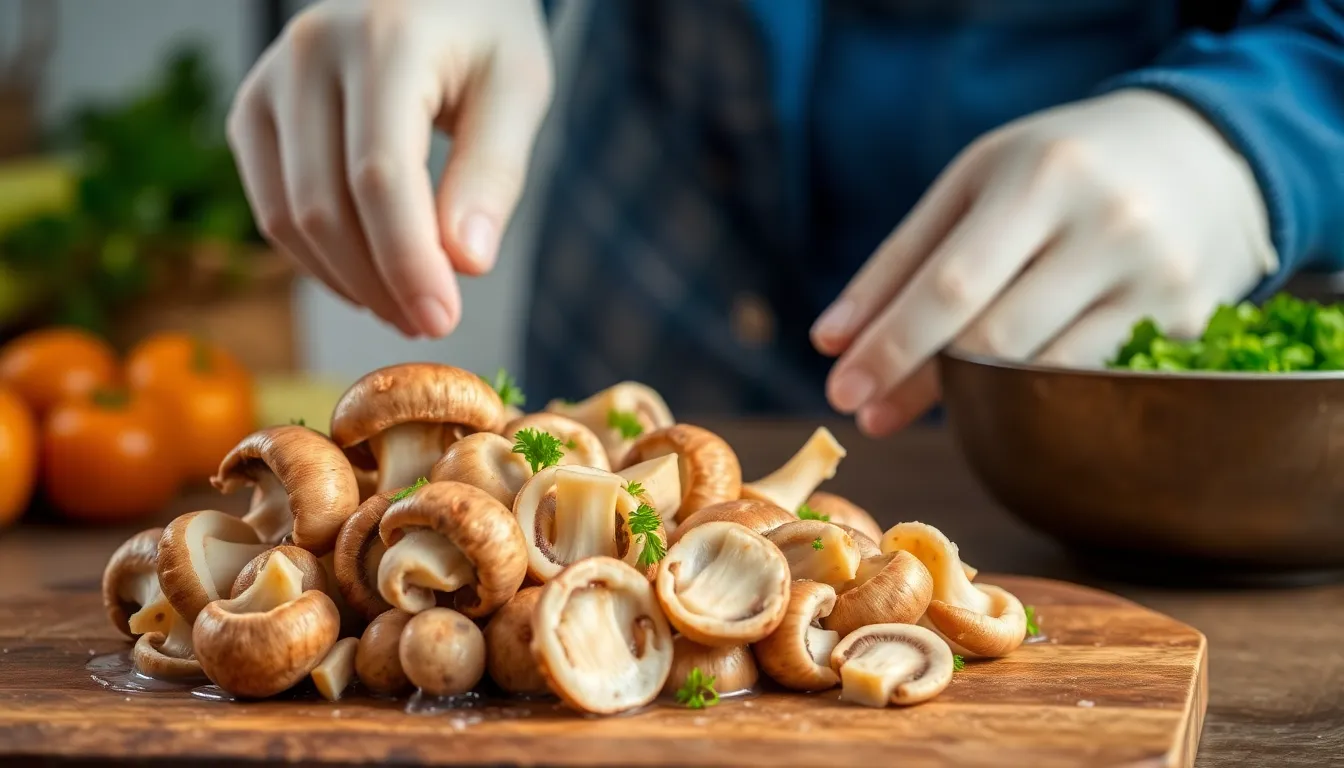
- Preparation: Clean the mushrooms under running water to remove any dirt. Cut them into desired sizes, keeping in mind that smaller pieces will cook faster.
- Boiling Water: Bring a large pot of water to a rolling boil.
- Salt Water (optional): For added flavor, consider adding a pinch of salt to the boiling water.
- Blanching: Carefully add the mushrooms to the boiling water and let them blanch for 1-3 minutes depending on the type of mushroom.
- Ice Bath: Immediately transfer the blanched mushrooms to an ice bath to stop the cooking process and retain their color and texture.
- Drain and Dry: Remove the mushrooms from the ice bath, drain well, and pat them dry with a clean towel.
Blanching Times for Different Mushrooms
| Mushroom Type | Blanching Time (minutes) |
|---|---|
| Button | 1 |
| Shiitake | 2 |
| Portobello | 3 |
Section 4: Preparing Blanched Mushrooms for Cooking
4.1 Sautéing
Sautéing blanched mushrooms is a quick and delicious way to incorporate them into your meals. Here’s how to do it:
- Heat a tablespoon of olive oil or butter in a skillet over medium heat.
- Add the blanched mushrooms to the skillet.
- Season with salt, pepper, and any herbs or spices you prefer (e.g., garlic, thyme).
- Sauté for about 5-7 minutes until the mushrooms are golden brown and tender.
4.2 Grilling
Grilling blanched mushrooms can add a smoky flavor that enhances their taste. Here are some tips:
- Preheat your grill to medium-high heat.
- Brush the mushrooms with olive oil and season with salt and pepper.
- Place the mushrooms directly on the grill or on a grill pan.
- Grill for 5-8 minutes, turning occasionally until they are nicely charred.
4.3 Adding to Dishes
Blanched mushrooms can be added to various dishes for added flavor and texture:
- Soups: Incorporate blanched mushrooms into creamy soups or brothy soups for a hearty addition.
- Pasta: Toss blanched mushrooms into pasta dishes along with your favorite sauce for an umami boost.
- Salads: Add chilled blanched mushrooms to salads for a delightful crunch and flavor.
Section 5: Storage Tips
5.1 Refrigeration
To store blanched mushrooms in the refrigerator, follow these steps:
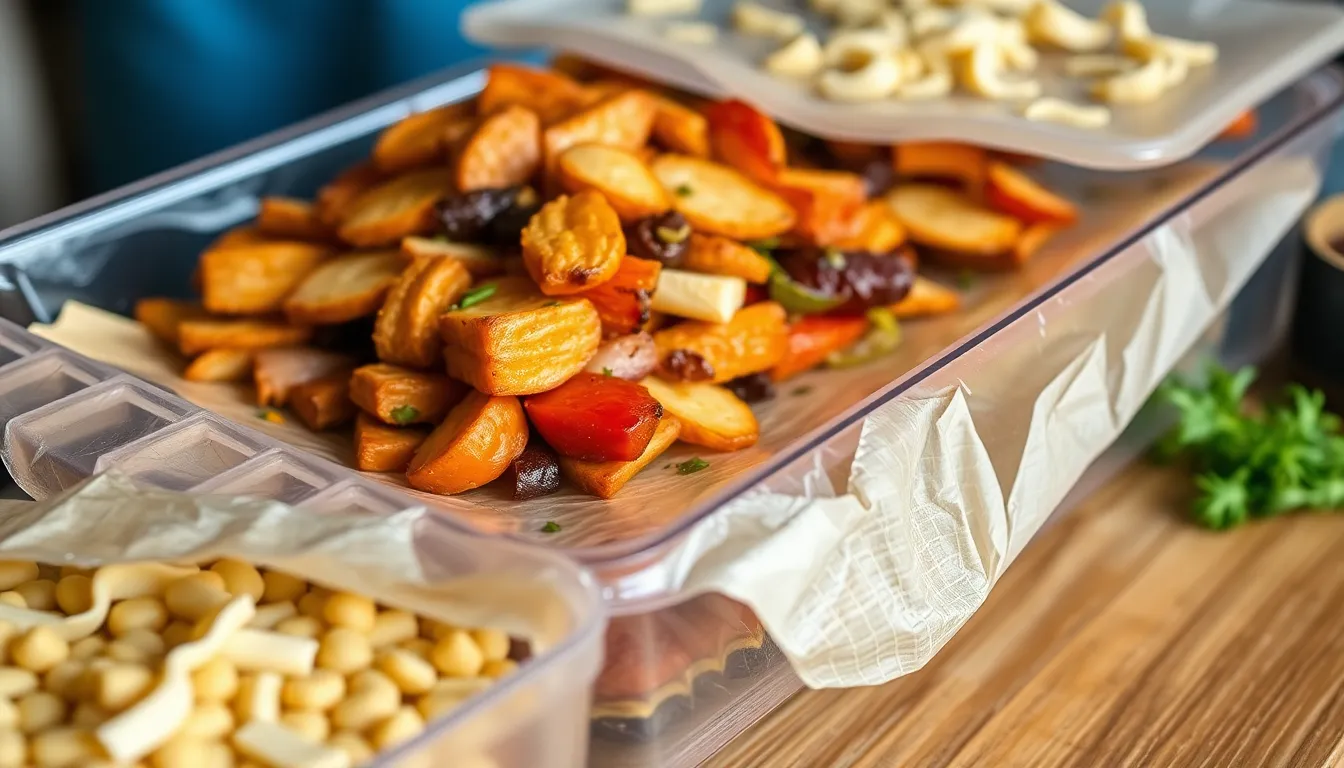
- Place the blanched mushrooms in an airtight container.
- Store them in the refrigerator for up to 3-5 days.
- Before using them, check for any signs of spoilage.
5.2 Freezing
If you want to store blanched mushrooms for a longer period, freezing is a great option:
- After blanching, allow the mushrooms to cool completely.
- Spread them out in a single layer on a baking sheet and freeze for a few hours.
- Once frozen, transfer the mushrooms to a freezer-safe bag or container, removing as much air as possible.
- Label the container with the date and store in the freezer for up to 6 months.
</