The Best Pressure Cooker Recipes for Winter Comfort
Introduction
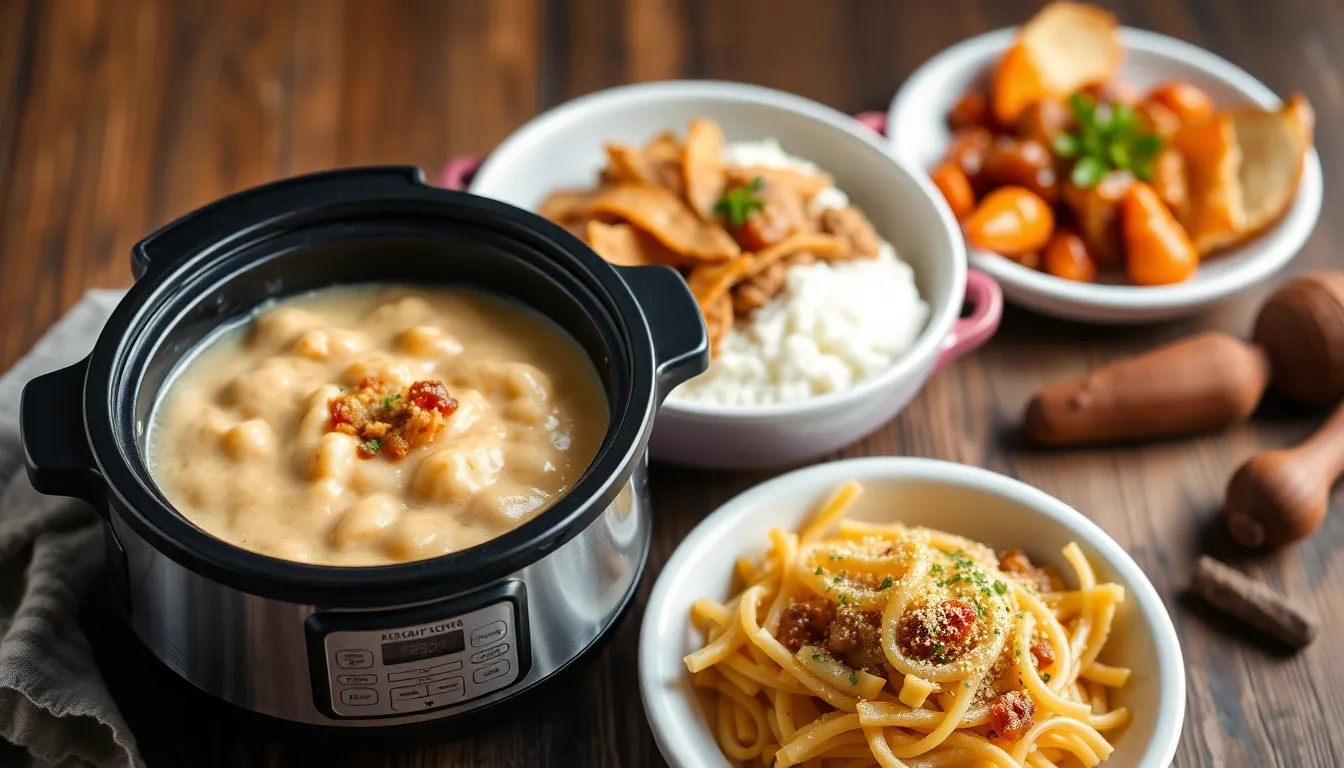
As the cold winds of winter begin to blow, there’s nothing like a warm bowl of homemade soup or a hearty stew to bring comfort to the soul. Using a pressure cooker during this season not only speeds up the cooking process but also enhances the flavors of your dishes, making every bite feel like a warm hug. The beauty of pressure cooking lies in its ability to transform tough cuts of meat into tender morsels and to infuse your meals with deep, rich flavors without the long wait.
In this post, we will explore why a pressure cooker is your best friend in winter, share essential tips for successful pressure cooking, and delve into a selection of comforting recipes that will warm your heart and home.
Section 1: Why Choose a Pressure Cooker for Winter Meals?
A. Time Efficiency
Winter evenings can be busy, with work, family, and holiday activities filling up the calendar. A pressure cooker can significantly reduce cooking time, allowing you to prepare delicious meals in a fraction of the time compared to traditional methods. For instance:
- Soups that typically take hours can be ready in 30 minutes.
- Stews that simmer all day can be cooked in under an hour.
- Beans that normally require soaking can be cooked from dry in just 20 minutes.
B. Enhanced Flavor
Pressure cooking is all about locking in flavors. The sealed environment prevents moisture loss, resulting in dishes that are moist and flavorful. This method allows for:
- Richer, deeper flavors as spices and herbs meld beautifully.
- Enhanced tenderness in meats, as the high pressure breaks down tough fibers.
- A concentration of flavors, making every bite satisfying.
C. Versatility
With a pressure cooker, the possibilities are endless. You can whip up a variety of winter meals, including:
- Hearty soups
- Savory stews
- Comforting casseroles
- Flavor-packed side dishes
Section 2: Essential Tips for Pressure Cooking in Winter
A. Safety Tips
While pressure cooking is generally safe, it’s crucial to follow guidelines to ensure your cooking experience is pleasant:
- Always check the sealing ring and ensure it is properly fitted before cooking.
- Never overfill the pressure cooker; it should be no more than two-thirds full.
- Use natural release for foods that expand, such as beans or grains.
B. Seasonal Ingredients
Winter brings a bounty of hearty vegetables and proteins that are perfect for pressure cooking. Here are some top ingredients to consider:
| Winter Vegetables | Proteins |
|---|---|
| Carrots | Chicken |
| Potatoes | Beef |
| Leeks | Pork |
| Brussels Sprouts | Beans |
| Squash | Lentils |
C. Cooking Times and Adjustments
Understanding cooking times is crucial for a successful pressure cooking experience. Here’s a general guideline for various ingredients:
| Ingredient | Cooking Time (Minutes) |
|---|---|
| Potatoes (cubed) | 8 |
| Carrots | 4 |
| Chicken Breast | 10 |
| Beef Stew Meat | 35 |
| Lentils | 15 |
Section 3: Top Pressure Cooker Recipes for Winter Comfort
A. Hearty Soups
1. Classic Chicken Noodle Soup
Nothing warms you up like a bowl of chicken noodle soup. This recipe is simple and comforting.
Ingredients
- 1 lb chicken thighs, boneless
- 4 cups chicken broth
- 2 carrots, sliced
- 2 stalks celery, sliced
- 1 onion, chopped
- 1 tsp thyme
- 2 cups egg noodles
- Salt and pepper to taste
Cooking Instructions
- Set the pressure cooker to sauté mode and add a little oil.
- Sauté onions, carrots, and celery until softened.
- Add chicken thighs, broth, thyme, salt, and pepper.
- Lock the lid and cook on high pressure for 10 minutes.
- After the timer goes off, carefully release the pressure.
- Shred the chicken and return it to the pot. Stir in noodles and cook on high pressure for an additional 4 minutes.
Serving Suggestions
Serve hot with crusty bread and fresh parsley on top for garnish.
2. Creamy Potato Leek Soup
This luscious soup is perfect for cold nights and is delightfully simple to make.
Ingredients
- 4 leeks, cleaned and sliced
- 4 potatoes, peeled and cubed
- 4 cups vegetable broth
- 1 cup heavy cream
- Salt and pepper to taste
- Chives for garnish
Cooking Instructions
- In your pressure cooker, sauté leeks until softened.
- Add potatoes and broth, then lock the lid.
- Cook on high pressure for 10 minutes.
- Release pressure, then blend the soup until smooth.
- Stir in the heavy cream and season with salt and pepper.
Serving Suggestions
Garnish with chives and serve warm with a slice of sourdough bread.
B. Savory Stews
1. Beef and Barley Stew
This hearty stew is perfect for a cozy night in.
Ingredients
- 2 lbs beef stew meat, cubed
- 1 cup barley
- 4 cups beef broth
- 3 carrots, diced
- 3 potatoes, diced
- 1 onion, chopped
- 2 cloves garlic, minced
- 1 tsp rosemary
- Salt and pepper to taste
Cooking Instructions
- Set the pressure cooker to sauté and brown the beef in batches.
- Add onions and garlic, cooking until fragrant.
- Stir in carrots, potatoes, barley, broth, rosemary, salt, and pepper.
- Lock the lid and cook on high pressure for 35 minutes.
- Release pressure and serve hot.
Serving Suggestions
Serve with crusty bread or over a bed of mashed potatoes.
2. Vegetarian Chili
Packed with beans and spices, this chili is both hearty and satisfying.
Ingredients
- 1 can kidney beans, drained
- 1 can black beans, drained
- 1 bell pepper, chopped
- 1 onion, chopped
- 2 cloves garlic, minced
- 1 can diced tomatoes
- 2 tbsp chili powder
- 1 tsp cumin
- Salt and pepper to taste
Cooking Instructions
- Sauté onion, garlic, and bell pepper in the pressure cooker.
- Add beans, tomatoes, chili powder, cumin, salt, and pepper.
- Lock the lid and cook on high pressure for 15 minutes.
- Release pressure and stir before serving.
Serving Suggestions
Top with avocado, cheese, or a dollop of sour cream for added richness.
C. Cozy Casseroles
1. Cheesy Broccoli and Rice Casserole
This creamy casserole is a family favorite and perfect for using up leftover rice.
Ingredients
- 2 cups cooked rice
- 2 cups broccoli florets
- 1 can cream of mushroom soup
- 1 cup cheddar cheese, shredded
- 1/2 cup milk
- Salt and pepper to taste
Cooking Instructions
- In a mixing bowl, combine rice, broccoli, soup, milk, and half of the cheese.
- Pour into the pressure cooker and sprinkle the remaining cheese on top.
- Lock the lid and cook on high pressure for 8 minutes.
- Release pressure and serve warm.
Serving Suggestions
Serve as a side dish or add shredded chicken for a complete meal.
2. Pressure Cooker Mac and Cheese
This classic comfort food can be made in a fraction of the time without sacrificing flavor.
Ingredients
- 2 cups elbow macaroni
- 4 cups water
- 2 cups cheddar cheese, shredded
- 1/2 cup milk
- Salt and pepper to taste
Cooking Instructions
- Add macaroni and water to the pressure cooker. Lock the lid and cook on high pressure for 4 minutes.
- Release pressure, stir in cheese and milk, and season with salt and pepper.
- Serve immediately, garnished with extra cheese if desired.
Serving Suggestions
Pair with a fresh salad or serve as a side dish at gatherings.
Section 4: Nutritional Benefits of Pressure Cooking
A. Retaining Nutrients
One of the standout benefits of pressure cooking is its ability to preserve nutrients. The quick cooking times and sealed environment reduce the loss of vitamins and minerals that often occurs with traditional cooking methods. Research shows that:
- Pressure cooking can retain up to 90% of water-soluble vitamins.
- Foods are cooked faster, which means less nutrient degradation.
B. Healthy Ingredients
When using a pressure cooker, you can easily incorporate more vegetables, lean proteins, and whole grains into your meals. Consider these suggestions:
- Add leafy greens like spinach or kale to soups for an extra nutrient boost.
- Use whole grains like quinoa or brown rice instead of refined grains.
- Opt for lean cuts of meat or plant-based proteins to keep meals wholesome.
Section 5: Troubleshooting Common Pressure Cooking Issues
A. Common Problems
Even the best cooks can encounter issues while pressure cooking. Here are some common problems:
- Not reaching pressure
- Burning food
- Food sticking to the pot
- Excessive steam release
B. Solutions
Here are practical solutions for each problem:
- Not reaching pressure: Ensure the sealing ring is properly placed and check for blockages in the vent.
- Burning food: Make sure to add enough liquid, as pressure cookers require moisture to function properly.
- Food sticking to the pot: Preheat the pot in sauté mode and add oil before adding food.
- Excessive steam release: Check that the pressure release valve is functioning correctly and not clogged.
Section 6: Conclusion
Pressure cooking during the winter months is not only a time-saver but also a way to create delicious, comforting meals that can be enjoyed by the whole family. With the ability to enhance flavors and retain nutrients, it’s a method worth embracing. We encourage you to try out the recipes shared in this post and explore the abundance of seasonal ingredients available. Happy cooking!